
Vox clamantis in deserto






David Warsh: Will the GOP abandonUkraine soon after the mid-term election?
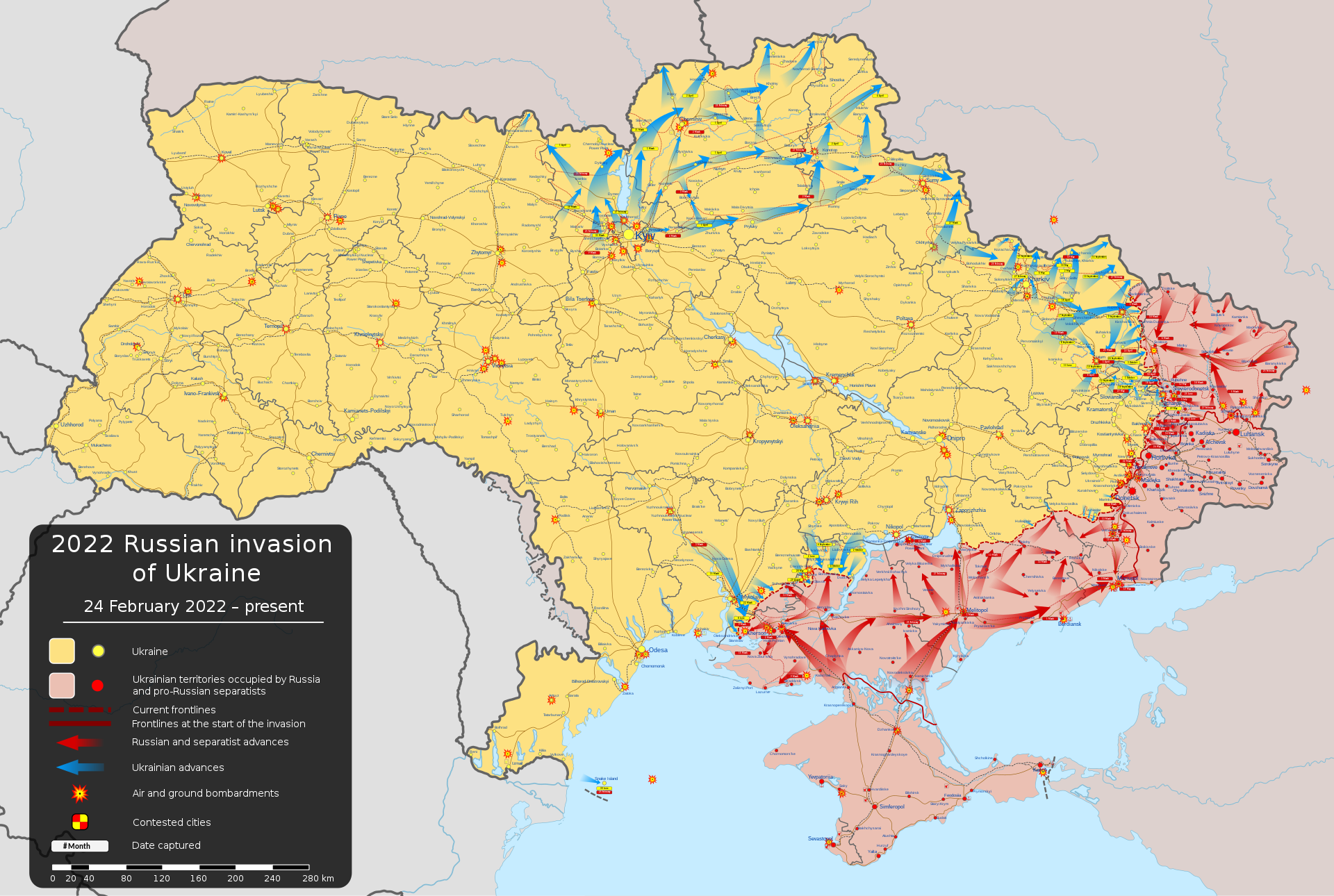
— Map by Viewsridge
SOMERVILLE, Mass.
Only a few days before an election is no time to be a columnist. This column is written some distance from Washington, D.C., but Edward Luce, of the Financial Times, is there in the thick of things. On Oct. 29, in “America’s Brittle Consensus on Ukraine,’’ he wrote “In the Republican quest to make a scorched earth of Biden’s presidency nothing will be sacred, including Ukraine’s military pipeline.” The “pro-Putin wing” of the GOP is still a minority, Luce added, but “almost every Republican will back {likely next House Speaker Kevin} McCarthy’s likely effort to impeach Biden and hold the U.S. debt ceiling hostage to their demands.”
That much, at least, remains to be seen. The presumptive speaker will settle on his plans only after the election results are known and thoroughly construed. Until then there remains a possibility that McCarthy’s Trump-based agenda will dissipate in a mood of grudging forgiveness following what may turn out to be a nobody-knows-anything election.
“The fact remains, however, that fifty-seven House Republicans and eleven senators voted against Biden’s $40 billion Ukraine aid package earlier this year. And though it hasn’t yet sunk in, Russian president Vladimir Putin took an active hand in the US election Thursday when, in an important speech, he asserted there were
“[T]wo Wests – at least two and maybe more but two at least – the West of traditional, primarily Christian values, freedom, patriotism, great culture and now Islamic values as well – a substantial part of the population in many Western countries follows Islam. This West is close to us in some things. We share with it common, even ancient roots. But there is also a different West – aggressive, cosmopolitan, and neocolonial… a tool of neoliberal elites [embracing what I believe are strange and trendy ideas like dozens of genders or gay pride parades].’’
He might as well have identified them as being, in his view, Republicans and Democrats.
Putin believes this is the basis for his war on Ukraine. It may be MAGA’s view as well. I don’t believe it is McCarthy’s. It certainly is not mine. But it will take time to work out the distinction. Less than a week before a very important election is no time to try.
Meanwhile, I’ve been been reading Not One Inch: America, Russia, and the Making of Post-Cold War Stalemate (Yale, 2021), by M.E. Sarotte; Macroeconomic Policies for Wartime Ukraine (Centre for Economic Policy Research, 2022), by Kenneth Rogoff, Maurice Obstfeld, and seven others; “Warfare without the State,’’ Adam Tooze’s recent criticism of the CEPR plan; and “Russia’s Crimea Disconnect’’, by Yale historian Timothy Snyder; and Johnson’s Russia List, more or less daily.
Halloween was scarier than usual this year.
David Warsh, a veteran columnist and an economic historian, is proprietor of Somerville-based economicprincipals.com, where this column originated.
The balm of blue
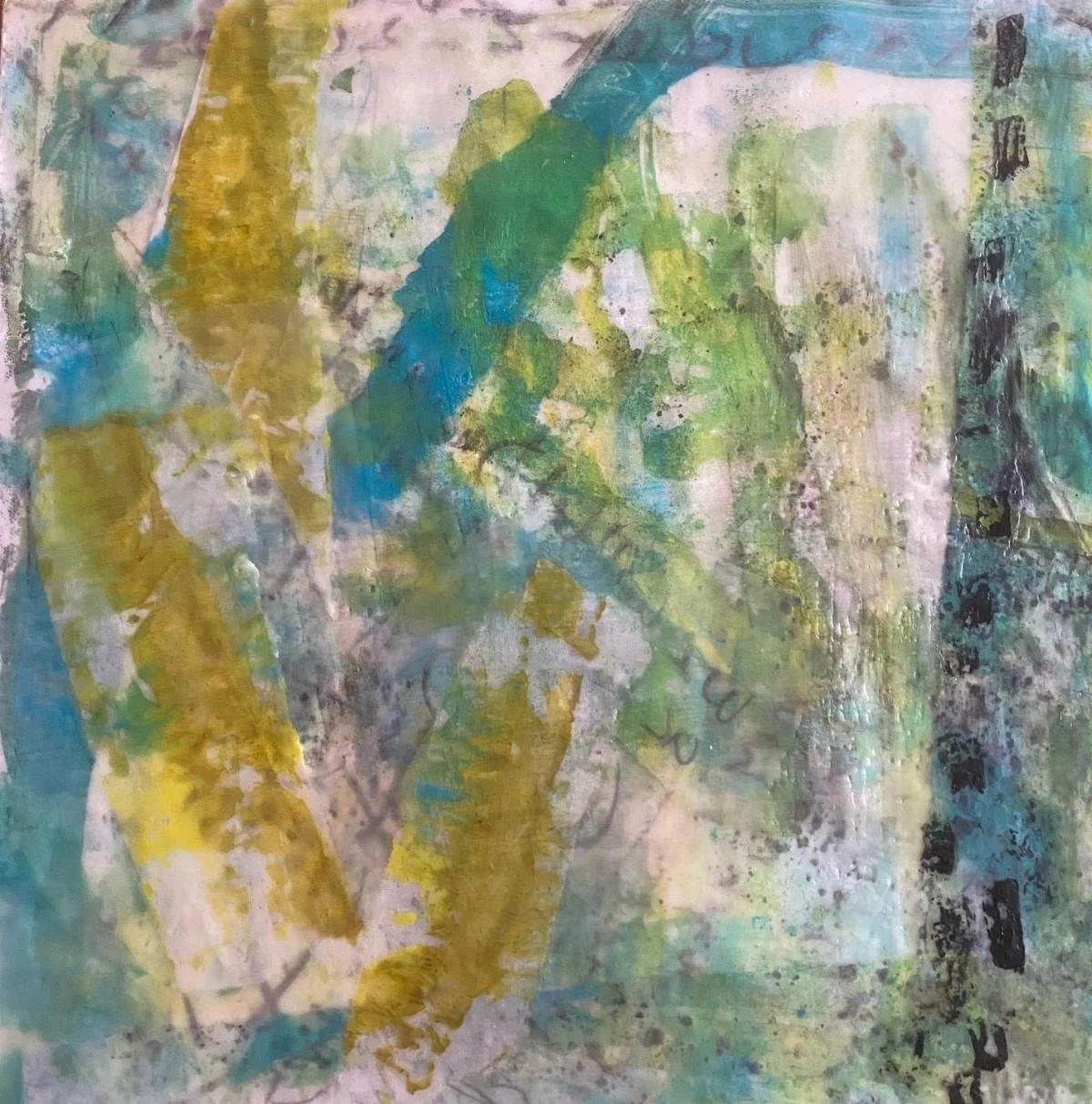
“I Have Loved Many Colors” (encaustic monoprint), by Brookline, Mass.-based Lola Baltzell, in her show ‘Dabbling in Blue Magic,’’ at Galatea Fine Art, Boston, Nov. 4-27.
She tells the gallery:
"One of my favorite authors is {the late novelist}Vladimir Nabokov, and the title of this show is a nod to his imagery. One remarkable thing about his writing is that English is his second language. He refers to color frequently, my true love language.
Blue. Why Blue Magic?
All the work in this show is encaustic, also known as hot wax, and includes collage, painting and monoprints. I don't typically work in blue, yet all the pieces in this show are blue. I've spent a lot of the pandemic in the water - metaphorically and literally. Feeling adrift, lost at sea, looking for terra firma, yet I sought solace on the water, spending as much time paddleboarding as possible. Working in blue has felt like a balm, soothing, healing. My own blue period."
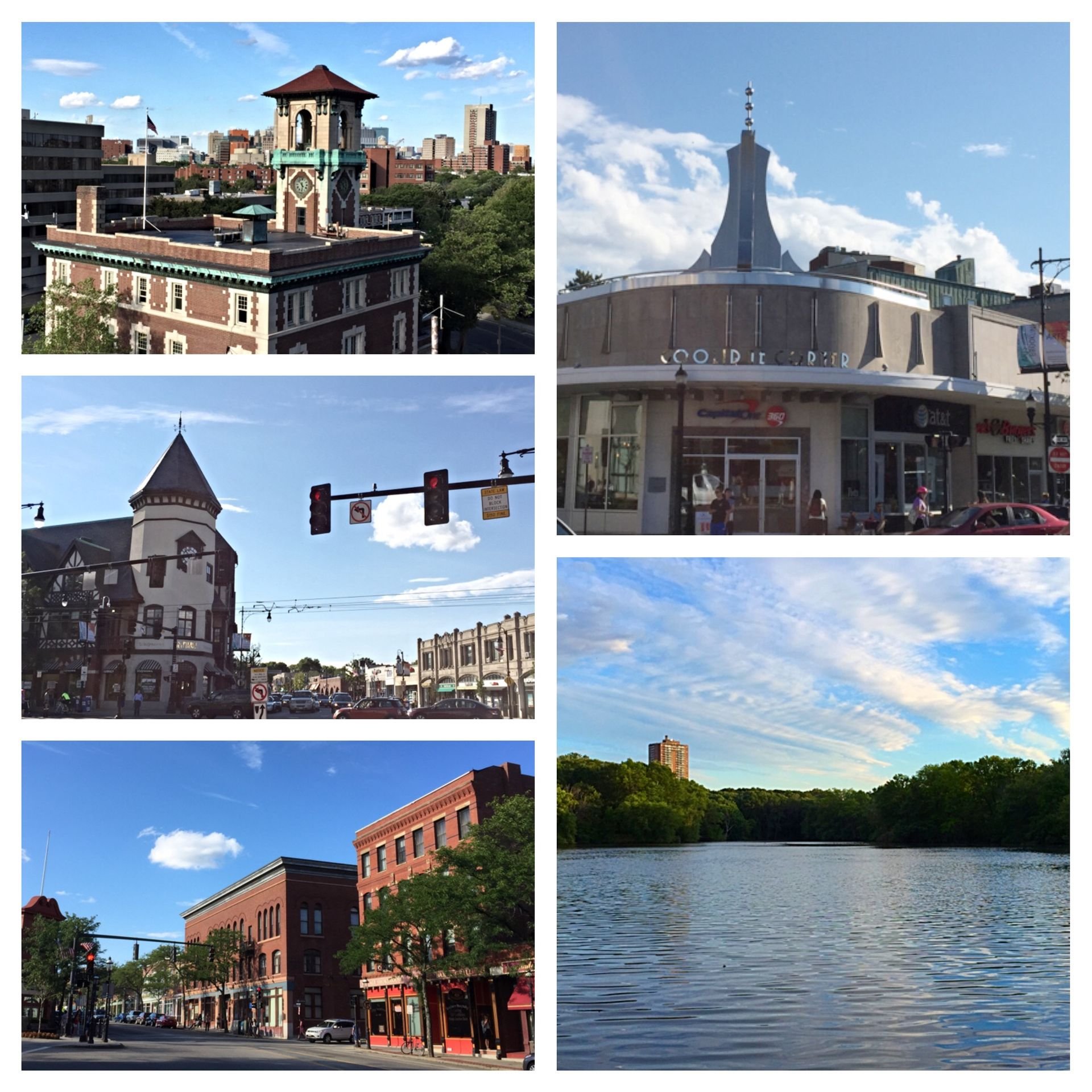
Views of Brookline
Photo collage by Ddogas
The advantages of blurred vision

“Your inability to see yourself clearly is what’s keeping you alive.’’
— Sarah Silverman (born 1970), American comedian, writer and actress. She was born in Bedford, N.H., and raised in nearby Manchester.

Manchester on a dreary October day.
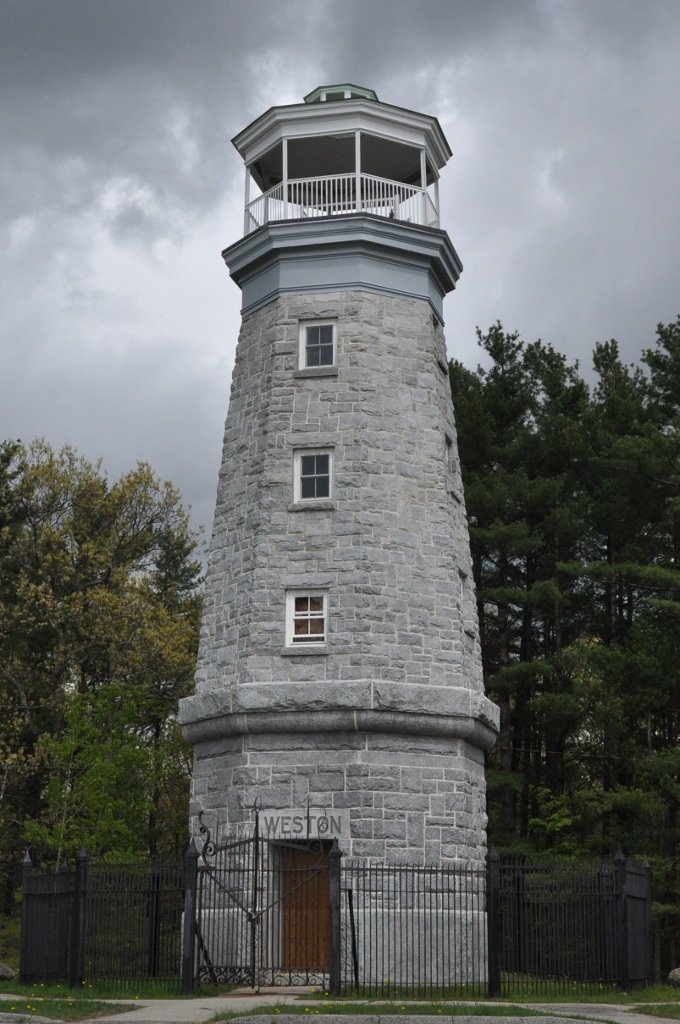
Weston Observatory in Derryfield Park, Manchester. It was built in 1897, at the height of Manchester’s glory as a manufacturing center, especially for textiles.
— Photo by Magicpiano
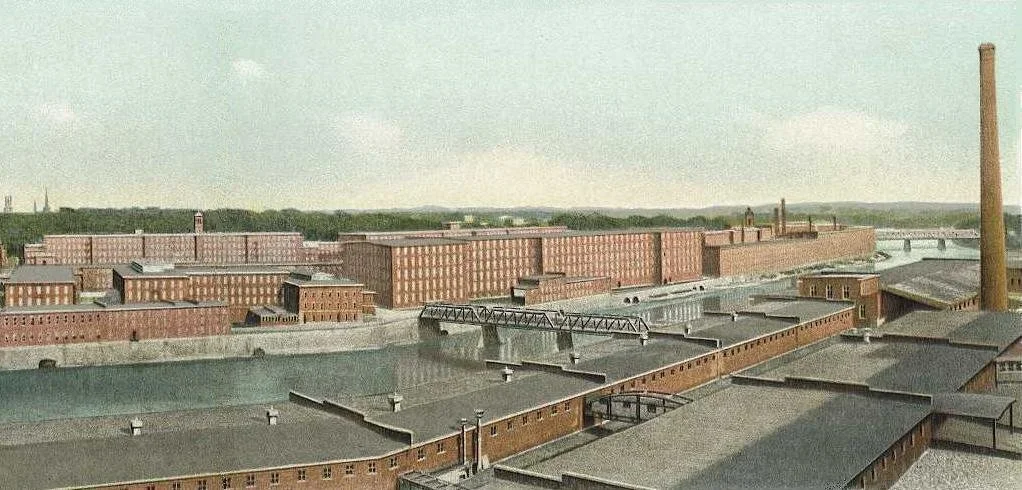
The gigantic Amoskeag mill complex, along the Merrimack River, in 1911.

NHL wants to speed efforts to expand diversity

The Boston Bruins at work against the New Jersey Devils.
Edited from a New England Council (newenglandcouncil.com) report
“The National Hockey League has released its Diversity and Inclusion Report, which presents the NHL’s efforts to accelerate diversity and inclusion in the sport of hockey. This is an ongoing effort by the league to prioritize inclusion and to grow a stronger hockey community.
“By focusing on seven dimensions, including goals such as leadership, community engagement, partnerships and more, the NHL organized the report to present quantitative and qualitative progress the league has made over the last two years. The report found that 22 teams launched or are in the process of launching mentorship programs to develop BIPOC and female talent to create a pipeline of opportunities for candidates in front office and operation positions. BIPOC”: stands for Black, Indigenous, People of Color.
“The NHL emphasized its need to increase the exposure of the sport to women and BIPOC communities–in partnership with the NHL Player’s Association Industry Growth Fund, the NHL has distributed more than $135 million in funds in the US and Canada to fund programs to reach these audiences. Stepping outside the rink, the report noted a committed effort by the League to support community engagement both in the sport and local communities. To reach this goal the NHL has advocated for various legislation promoting social equality, including the Willie O’Ree Congressional Gold Medal Act to honor O’Ree’s contributions to the sport as the first NHL Black player. The report highlighted the accomplishments of the League but also acknowledged that there is still room for improvement. The NHL expressed its need to address issues of prejudice and discrimination by using the tools of education and accountability. To continue the conversation about social justice all 32 teams will participate in a program to which will address issues such as discrimination, harassment, and abuse. The NHL hotline was released to give both players and employees a way to report unethical conduct.
“Commissioner Gary Bettman said, ‘Our belief is stronger than ever that hockey has a powerful platform to build character, teach life skills, and support our society and our communities. We’re focused on ensuring the game and its related environments are safe, respectful, and inclusive. Diverse representation within inclusive environments is proven to advance innovation, creativity, and decision-making – all of which are critically important to the growth of the sport and our business.”’
‘We are still here’
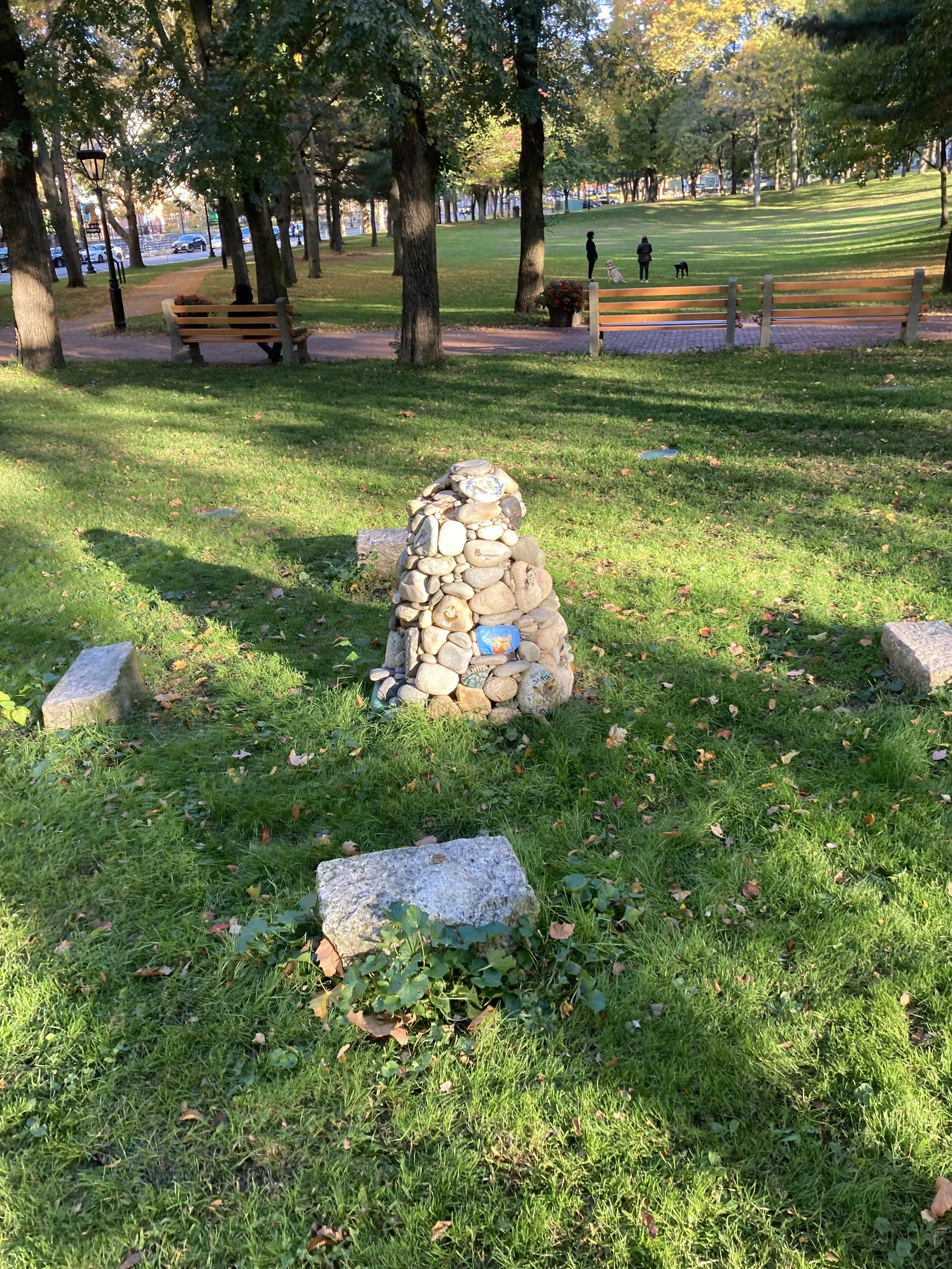
The cairn in question.
Adapted from Robert Whitcomb’s “Digital Diary,’’ in GoLocal24.com
I wrote too whimsically in an Oct. 23 column that I had come across this cairn while walking on the lawn at the Roger Williams National Memorial, in downtown Providence, and asked what it is. Here’s the answer from the National Park Service, via my friend Ken Williamson, who lives in Hawaii.
“This cairn, or stone pile, depicts pieces of Narragansett {Tribal Nation}
history from pre-contact {with Europeans} through today. Built by Narragansett artists associated with the Tomaquag Museum {in Exeter, R.I.} it expresses the fact that WE ARE STILL HERE. The cairn is at the center with 4 raised stones around it representing the Four Directions. It is a meditative circle, representing Narragansett lives, history, and future which brings us full circle. Sit down and reflect on your own past, present and future and its intersection with the Narragansett people.
“The Narragansett Tribal Nation has lived on these lands since time immemorial. Their ancestors respected all living things and gave thanks to the Creator for the gifts bestowed on them, as do Narragansett people of today. Lynsea Montanari & Robin Spears III, both Narragansett, served as summer arts interns at the memorial for this project. They incorporated their own cultural knowledge with teachings by tribal elders regarding first contact with European settlers, genocide, displacement, assimilative practices, enslavement, continuation of language, ceremony, and other cultural practices. The artists chose to create a cairn as it is a part of the history of all indigenous peoples. There are many historic cairns in the Narragansett landscape.’’
xxx
My strongest memory of Native American cairns comes from driving with my wife in the forests along the northern side of gorgeous Georgian Bay in Ontario. You can’t go far there without seeing a cairn or other stone sculpture on a slope above the road.
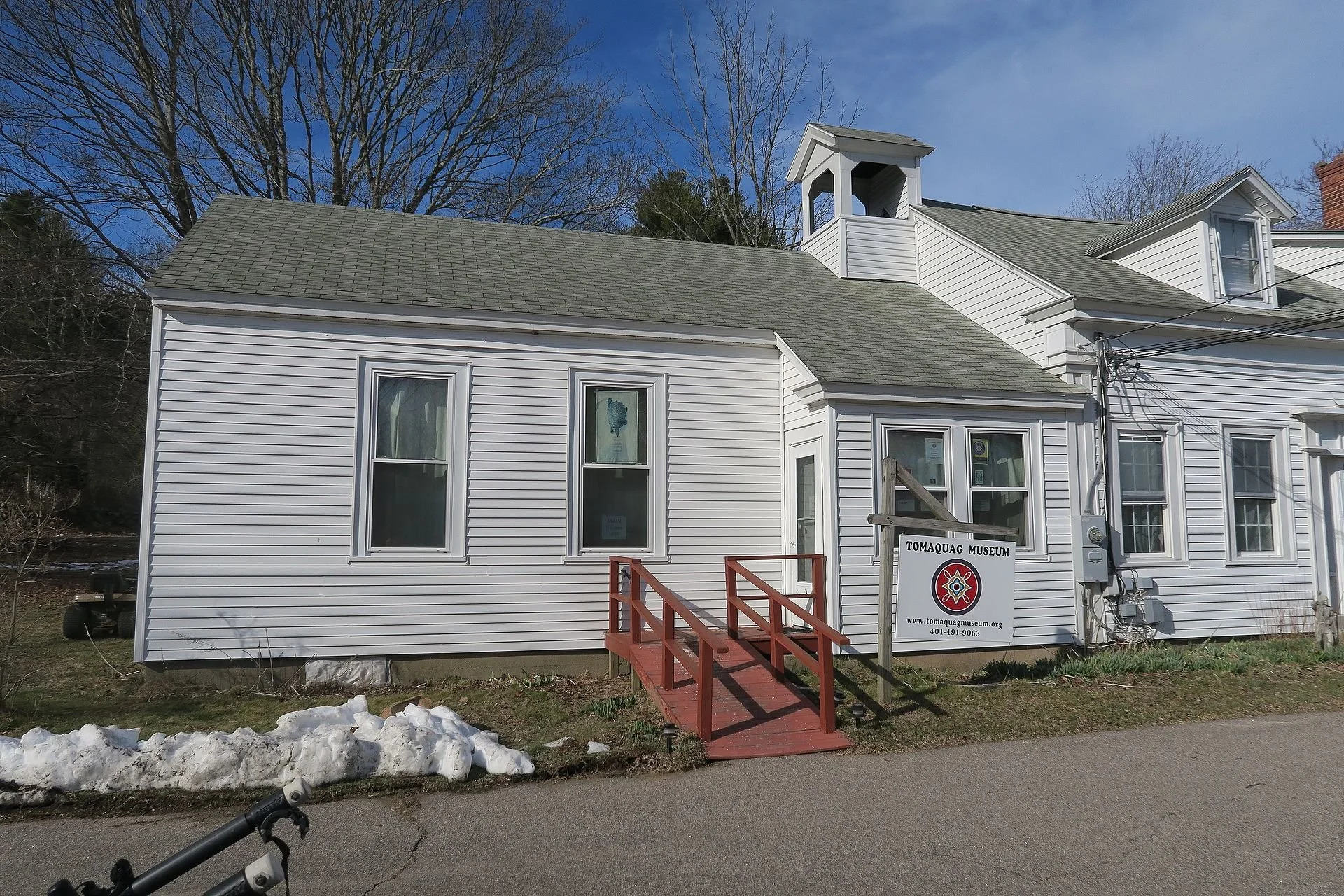
Tomaquag Museum, in the Arcadia section of Exeter, R.I.
—Photo by John Phelan
Take that!

“Hamada” (oil on canvas), by L.G. Talbot, in the show “LG Talbot: New Generation Abstraction,’’ at the University of Massachusetts Fine Arts Center, Amherst, Mass.
The exhibit features abstract work that takes on American abstract painting through large and bold paintings that "convey a distillation of lived experience,’’ says the artist whose home is in the western Massachusetts hill town of Conway and whose studio is in Easthampton, Mass.
Talbot’s artist statement says:
“In the new paintings, I work with palette knives to quickly establish images on the canvas. I keep 4-5 large canvases open – working them simultaneously – impatient for the oil to dry. Images organically surface on the picture plane. I layer more paint and create more texture. My colors have also changed. The primary colors of previous work have been usurped by a more nuanced palette replete with earthy tones. I mix the pigment, thin it out with turpentine, and build the painting in layers. This is my evolution: Borders gone, Colors blended. The pandemic is a reminder of the privilege of being alive – my every day in the studio is charged and intoxicating.’’
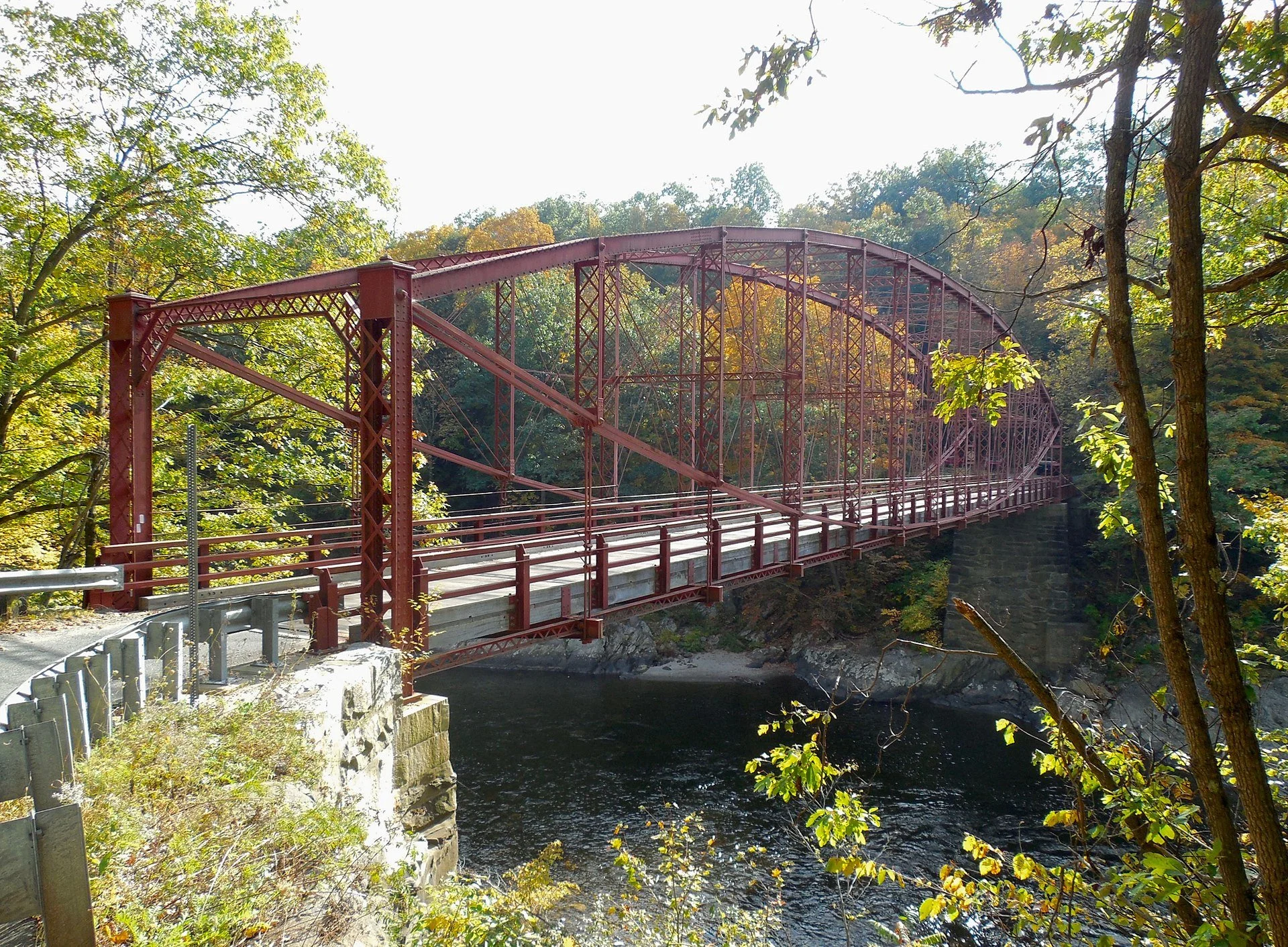
Historic Bardwell's Ferry Bridge, in Conway.
— Photo by Doug Kerr
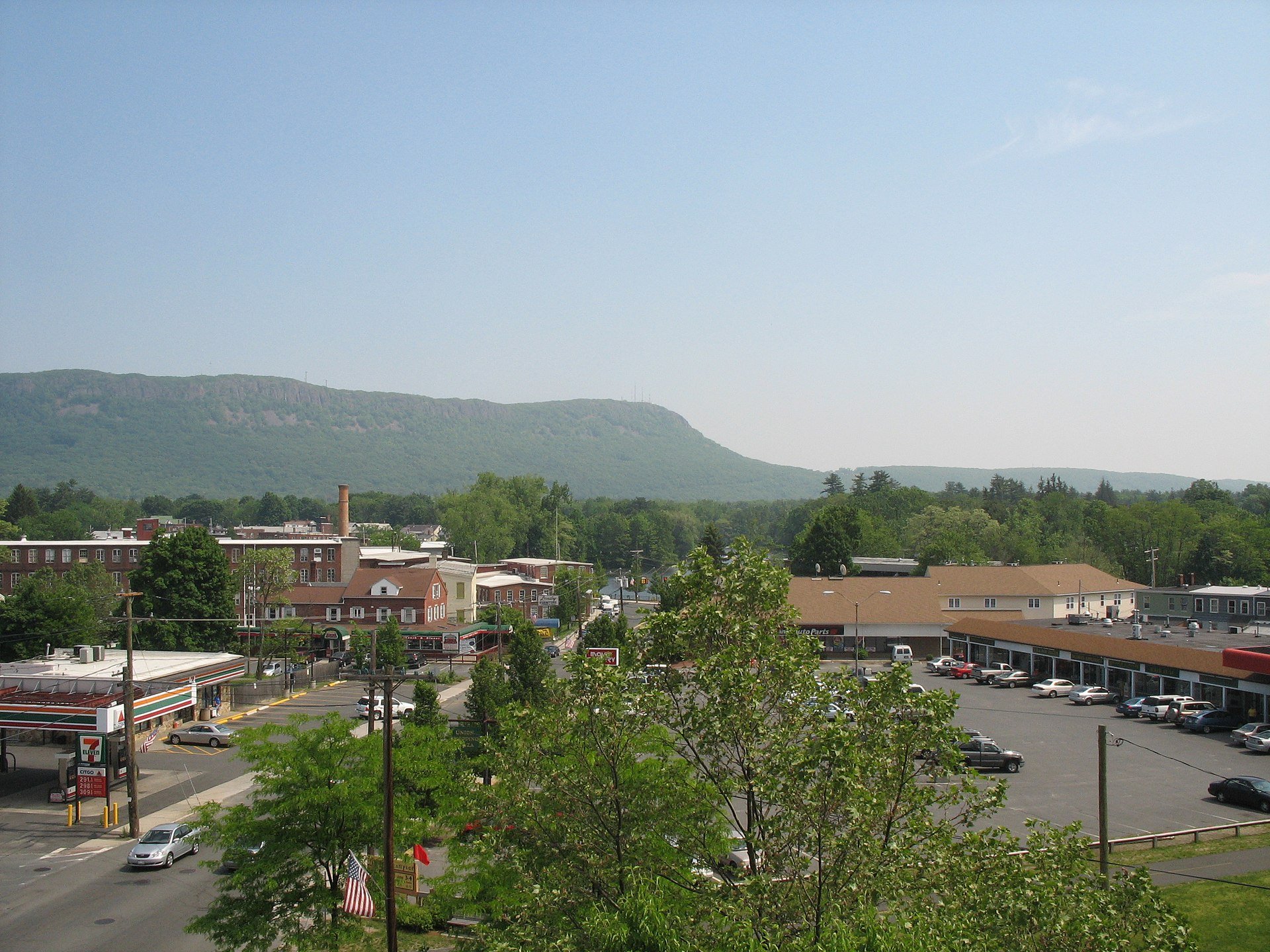
View of Mt. Tom from the center of Easthampton

Chris Powell: Rainbow flags are political and so don’t belong in classrooms

MANCHESTER, Conn.
Another front has opened in Connecticut's flag war, this time in Stonington, where, responding to a complaint and acting on legal advice, the school superintendent determined that the "rainbow" or gay pride flags teachers had placed in their classrooms are political and told teachers to remove them.
Whereupon students and others complained that the flags are necessary to show the school system's egalitarianism, and the teachers union asked for a private meeting with the state Board of Education's labor committee to discuss "inclusion." Maybe only a teacher union and a school board would miss the irony of excluding the public from a meeting about "inclusion," but then Connecticut has seen many other indications that some of public education actually despises the public and much prefers to make and implement policy in secret.
After being subjected to this political pressure, the superintendent reversed herself on the rainbow flags, decided that they are not political after all, and withdrew her order to remove them from classrooms.
But of course the rainbow flag is political and propagandistic, lending itself to various uses and interpretations, and so doesn't belong in government settings. If the flag signifies the acceptance and equality of people regardless of sexual orientation, so do the national and Connecticut flags, insofar as federal and state law prohibit discrimination on the basis of sexual orientation.
But the rainbow flag goes farther. To some it also means the right of biologically male students to use women's restrooms and participate in women's sports, thereby nullifying Title IX of federal civil-rights law. To others it means the right of school systems to treat the gender dysphoria of students and even facilitate their gender transition without the knowledge of their parents. The flag is used in various controversial contexts. There is and can be no official interpretation of it.
Municipal governments lately have been discovering that their endorsement is being sought for many flags, and that allowing some to fly on government property but not others raises a First Amendment issue. Some municipalities have decided, wisely, to stay out of the flag wars and confine themselves to government's own flags.
Of course, every school system and government agency should follow the laws against discrimination by sexual orientation. But a rainbow flag is not necessary to establish and publicize such a policy. Schools can act just as employers act at government direction and post notices of the policies required by law. If students of minority sexual orientation are really as timid as claimed by the advocates of putting the rainbow flag in classrooms and can't be comfortable in school without the flag being displayed, notices of non-discrimination policy can be posted in every classroom, even on every student's desk.
But neither such notices nor rainbow flags themselves are any defense against bullying, abuse, and other misconduct. The only defense is strong public administration, and Connecticut's schools are notorious for their lack of standards and discipline for students and employees alike.
Stonington's school administration has just shown itself to be another pushover.
xxx
Campaign commercials are often nasty and sometimes brutal and even deceitful. But Connecticut has seen few as disgraceful as one being aired by Gov. Ned Lamont, a Democrat seeking re-election.
The Lamont commercial depicts a bunch of people making fun of the name of the governor's Republican opponent, Bob Stefanowski. They call him "Stefa-nasty," though the Republican has maintained a softer and more informed tone than when he ran four years ago.
Name calling used to be considered childish and stupid, but apparently no longer at the highest level of state government.
Commercials for the re-election of 5th District Democratic U.S. Rep. Jahana Hayes have been attacking her Republican challenger, former state Sen. George Logan, signifying that the Democrats consider that race unusually competitive. But now commercials for the re-election of Democratic U.S. Sen. Richard Blumenthal are attacking his Republican opponent, Donald Trump devotee Leora Levy, implying that Democrats think that even Blumenthal, who has been in elective office for 38 years, may be in trouble too. Could it be?
Chris Powell is a columnist for the Journal Inquirer, in Manchester, Connecticut. (CPowell@JournalInquirer.com)
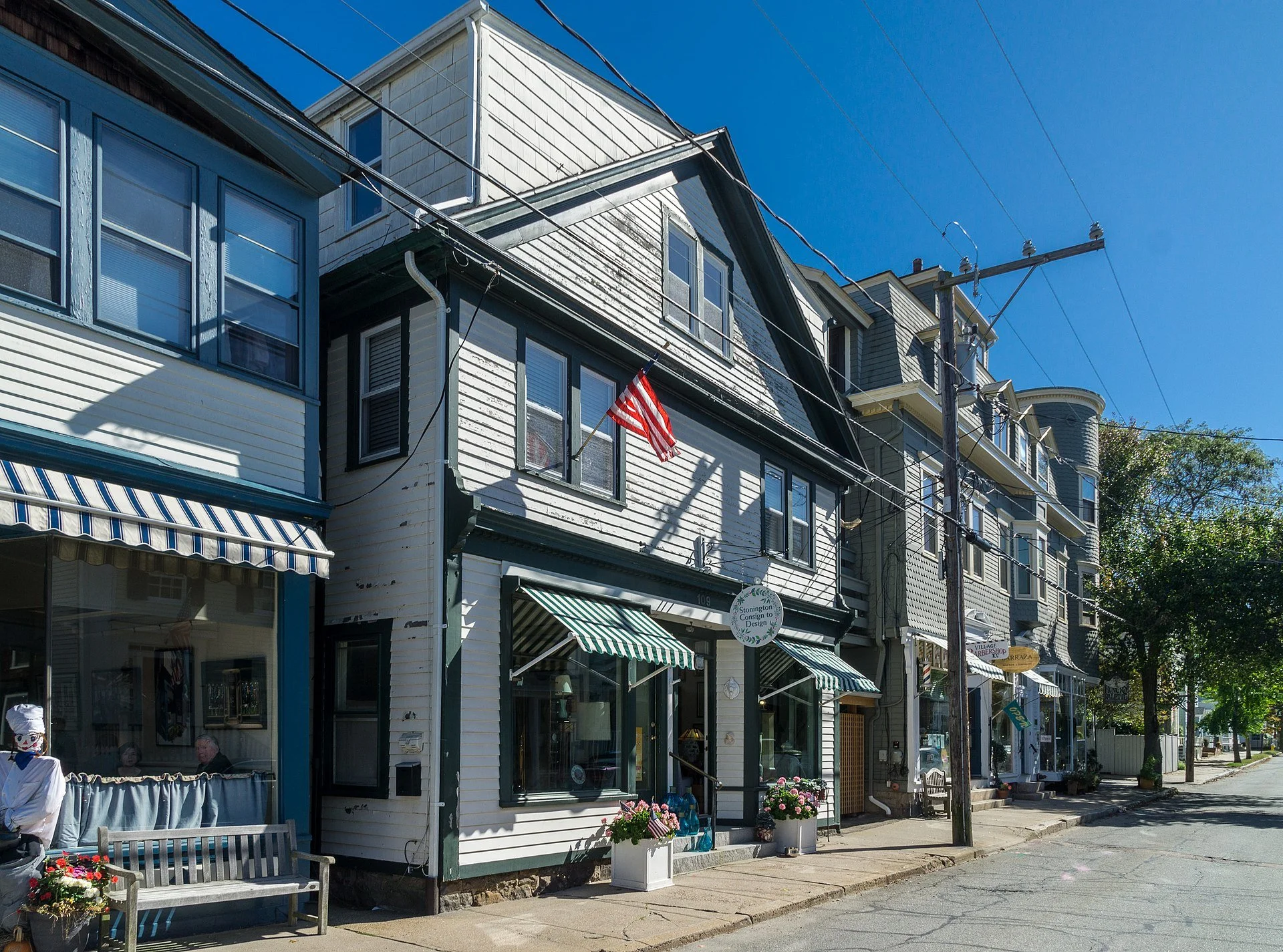
Water Street shops and restaurants in Historic (and rich) Stonington
— Photo by Kenneth C. Zirkel
Existential confusion

Inside Greg’s Famous Seafood, in Fairhaven, Mass.
— Photo by William Morgan
Llewellyn King: Save farmland from solar arrays, for which there are better places
This becomes….
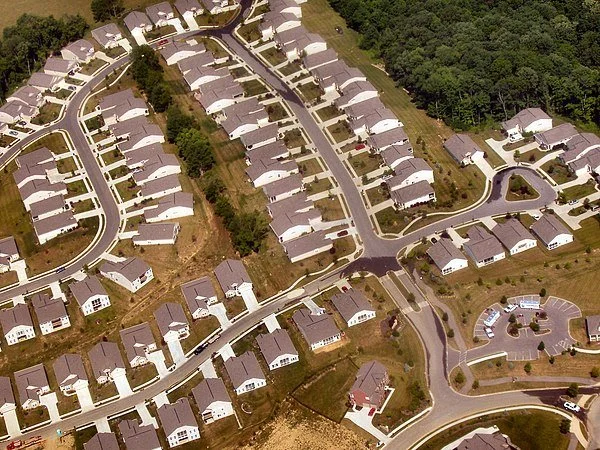
…. this
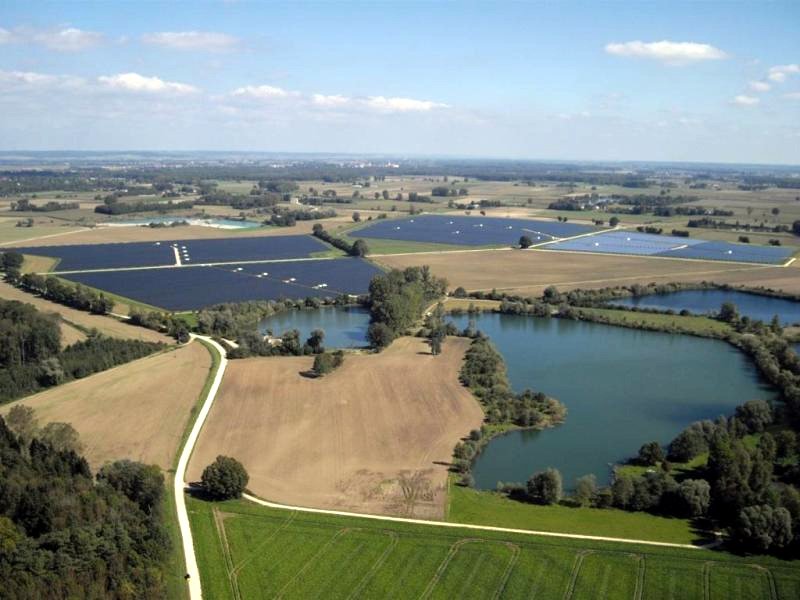
And this
WEST WARWICK, R.I.
In nearly every city in the United States, and many around the world, bulldozers are busy making dreams come true: Leveling land for a single-family home on a lot.
Who doesn’t want a lovely home with a nice bit of land on some tree-lined street? It is the American Dream manifested in bricks and mortar.
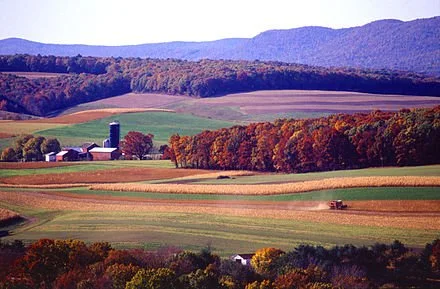
Trouble is dreams can morph into nightmares. A growing nightmare across the nation is the incursion of homes onto farmland – land that will be out of production essentially forever.
All around Washington, D.C., I watched year after year for decades lovely farms in adjacent Maryland and Virginia being turned into suburbs — sometimes 70 and more miles from the city center.
It has been a simple tradeoff: There has been a relentless demand for single-family homes and builders see farms, usually family-owned, as ripe fruit ready for picking. When age is an issue, they almost always sell. Farming is a tough, 365-days-a-year undertaking, and a fat check at the end of a farming career is irresistible.
No villains here, but there are consequences. Mark Twain said, “Buy land, they aren’t making it anymore.” Sadly, Twain didn’t take his own advice and instead invested in the tech world of the day: Among other bad investments, he lost a fortune in a company that was trying to perfect a typesetter.
Farmers are special to me. They are the real renaissance men and women. They know a lot about a lot, from being able to gauge the pH levels of soil on their tongues to how to birth a calf, repair a tractor, or raise a barn.
They also know a thing or two about how the government works and filling out forms. They are regulated but have no guaranteed rate of return. They are as subject to the weather over their own land as floods around the world.
Businesses talk about being rewarded for taking a risk. Farmers take a risk with every seed they plant — and the returns aren’t guaranteed.
But, as Gail Chaddock, host, and producer of No Farms, No Future, a podcast of the American Farmland Trust, said, “You can’t blame the farmers, and you can’t blame the developers. But the land we’ll need for food production in the future is being taken.”
What is happening is the irreversible destruction of millions of acres of prime farmland every year. A reverence for farmland needs to enter the culture, she said.
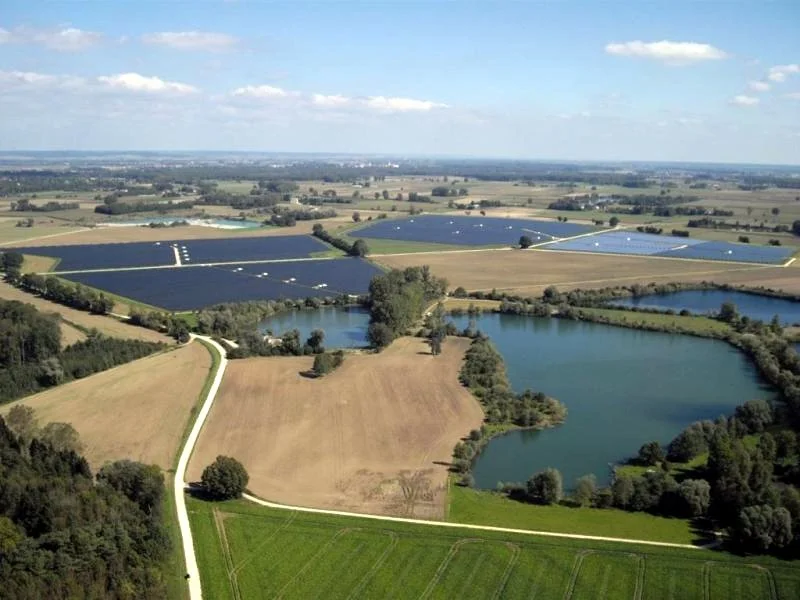
No longer, however, is it just developers buying up farms. Farmland is now being sought by another kind of developer: renewable energy companies. They are buying it for large solar arrays. They also contract with farmers to install windmills which, while not taking so much land out of agricultural use, cumulatively take a lot.
But it is solar farms that are the real problem. Britain is thinking of legislating to prohibit the use of agricultural land for energy production. Other countries are waking to the realization that a field of shining solar collectors is not the same as a field of waving wheat or even lowly cabbages.
As over time we exported our manufacturing, we also have exported our food production. What was once raised on truck farms around the cities is now raised in neighboring Canada and Mexico, or as far away as Chile and South Africa.

Big roofs like this as well as abandoned-mall parking lots and roadsides are far better places to put solar panels than farmland.
There is no compelling reason to cover huge acreages with solar panels. Roofs, rights of way, and urban parking lots could be pressed into service. Railroad tracks cry out for a solar canopy.
Just because energy or housing is a higher economic use for land today doesn’t mean that it won’t have a higher future value, feeding future generations.
Llewellyn King, a veteran columnist and an international energy and utility consultant, is executive producer and host of White House Chronicle, on PBS. He’s based in Rhode Island and Washington, D.C.
On Twitter: @llewellynking2
White House Chronicle

Connected farm in Windham, Maine. The barn dates from the late 18th Century, and the house was built in three stages during the 19th Century. The unconnected garage was a 20th-Century addition. All doors of the structure are visible in this view from the south side, where winter sun would melt accumulated snow and ice. Following the 20th Century outbreak of Dutch elm disease, only one American elm remains of the line that had provided summer shade along the southern and western sides of the building.
‘Spectral New England’
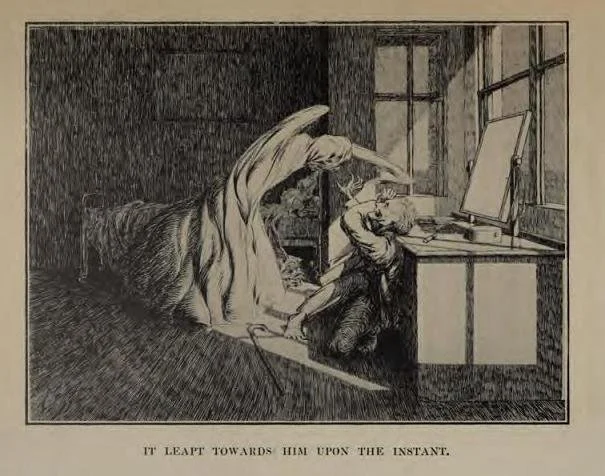
Rhode Island PBS will air Spectral New England at 1 p.m. on Oct. 29 and 10 p.m. on Oct. 31.
Hit this link for some flavor.
‘Since Eden went wrong’
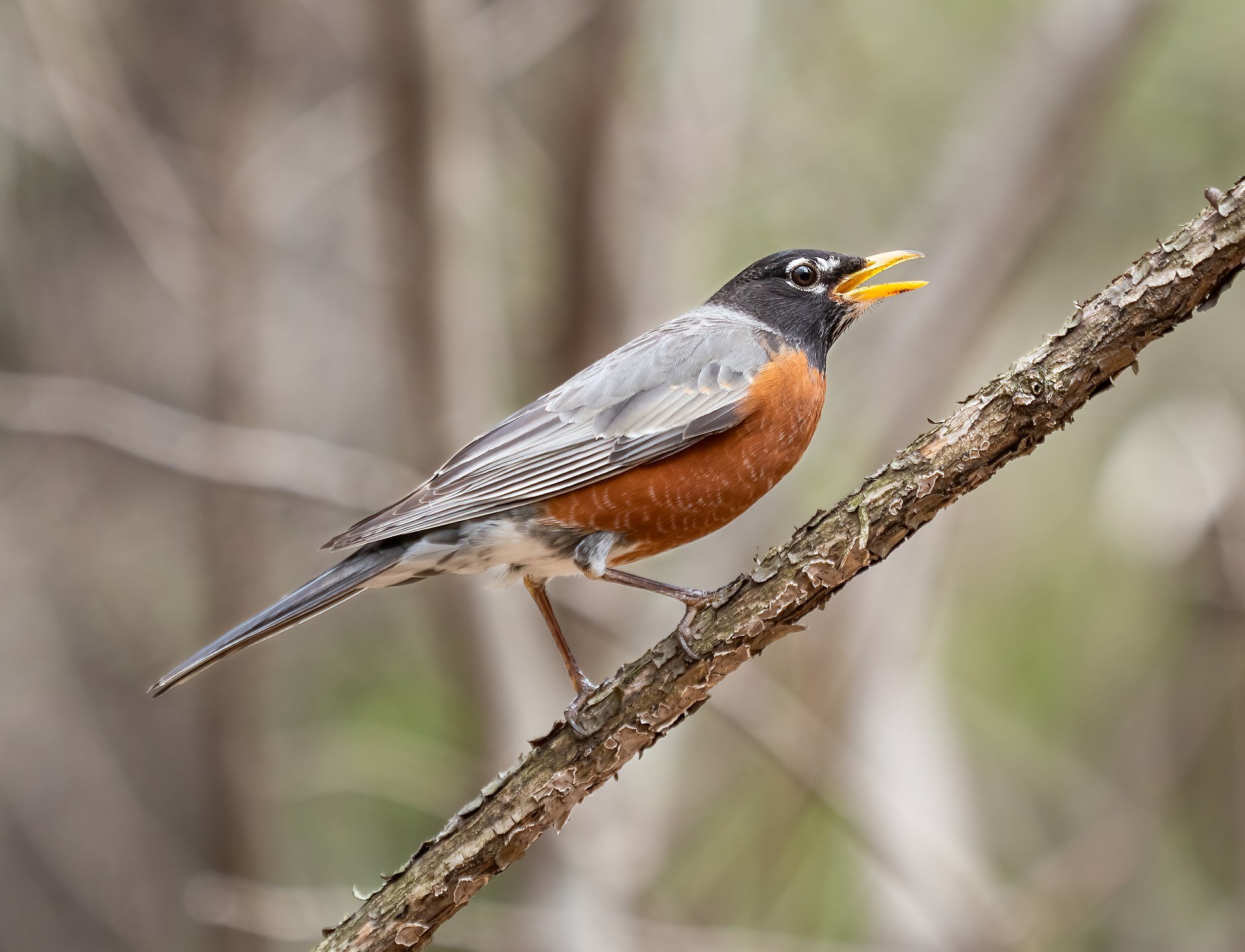
“It was the dingiest bird
you ever saw, all the color
washed from him, as if
he had been standing in the rain,
friendless and stiff and cold,
since Eden went wrong.''
—From “Robin Redbreast,’’ by Stanley Kunitz (1905-2006), American poet and teacher. A Worcester native, he divided much of time in adult life between Provincetown and New York City.
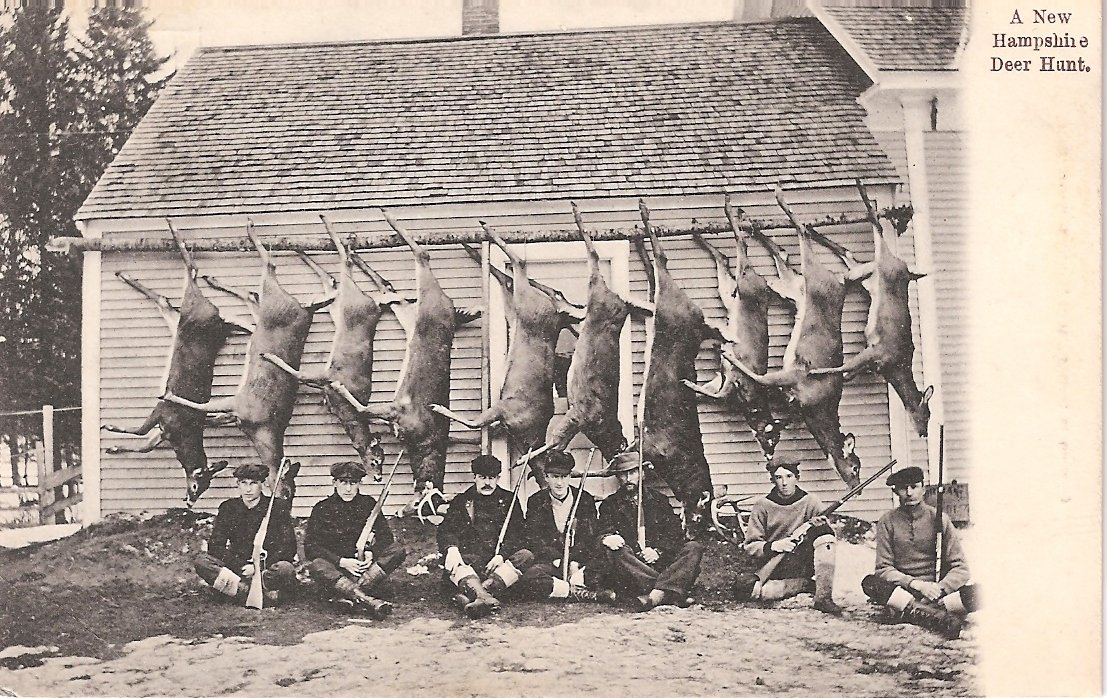
Must have been his brown coat
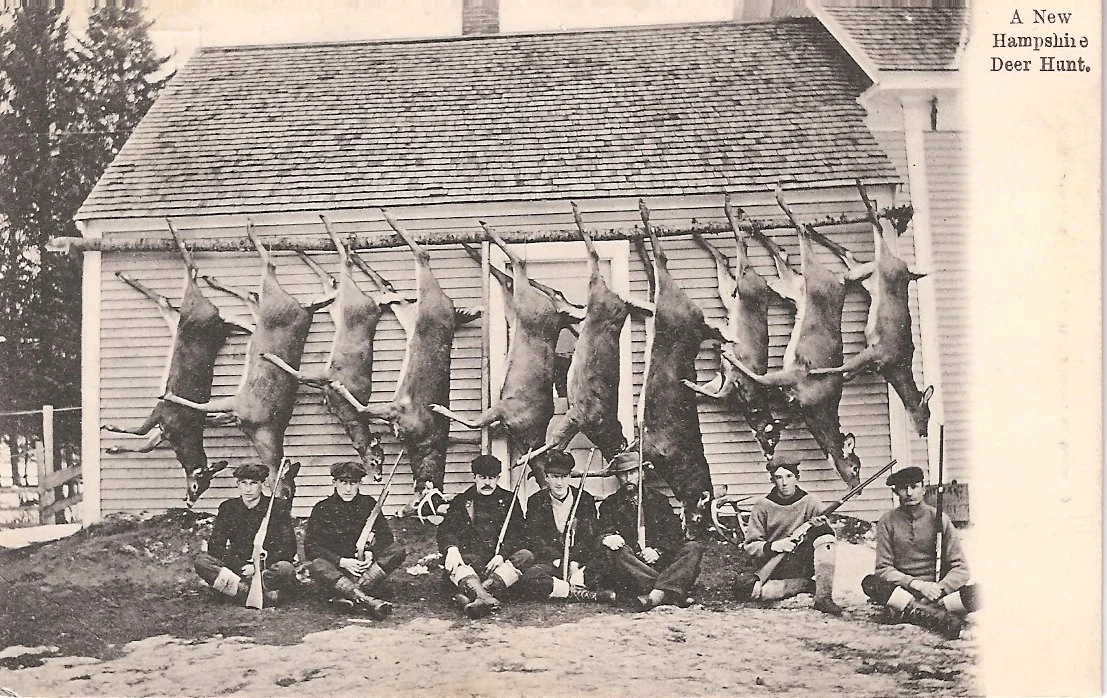
“{During the Maine hunting season} there’s a lot of noise, and now and then we hear a bullet slap into the clapboards, and once in a while we have to stop husking corn and go up in the woods and bring out a wounded hunter. Bringing out a wounded hunter wouldn’t be so bad if you didn’t have to listen to his companion explain how he looked like a deer.’’
— John Gould (1908-2003), in Neither Hay nor Grass (1951). He lived in Brunswick, Maine.
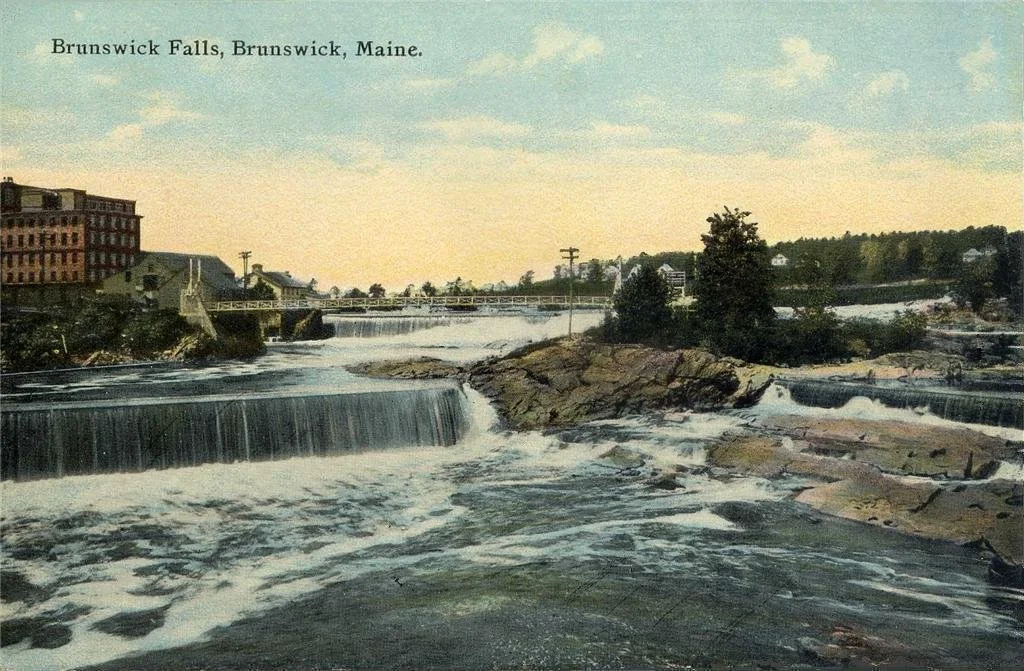
1912 postcard. The river is the Androscoggin, which starts in the White Mountains.
‘Light and metaphor’ in New England

“Forest Sunset" (pastel on paper), by Anne Emerson, in her show “Sinking Into Nature,’’ at Creative Connections Gallery, Ashburnham, Mass., starting Nov. 5.
Ms. Emerson says in her Web site:
“I am a New England painter and a writer. The two actions seem to me to feed each other, opening me to see the world simultaneously in light and metaphor. I paint what pleases me and what moves me. My paintings are of people, things and places I love, and most of my paintings have personal historical references. The act of painting is a meditation for me, awakening me to ‘all this joy and beauty,’ in the words of my grandmother's favorite prayer. In a way my painting is also an act of longing. It is an effort to capture the extraordinary feeling of being held in a natural place or emotion, suspended in beauty, power, solitude and light.’’
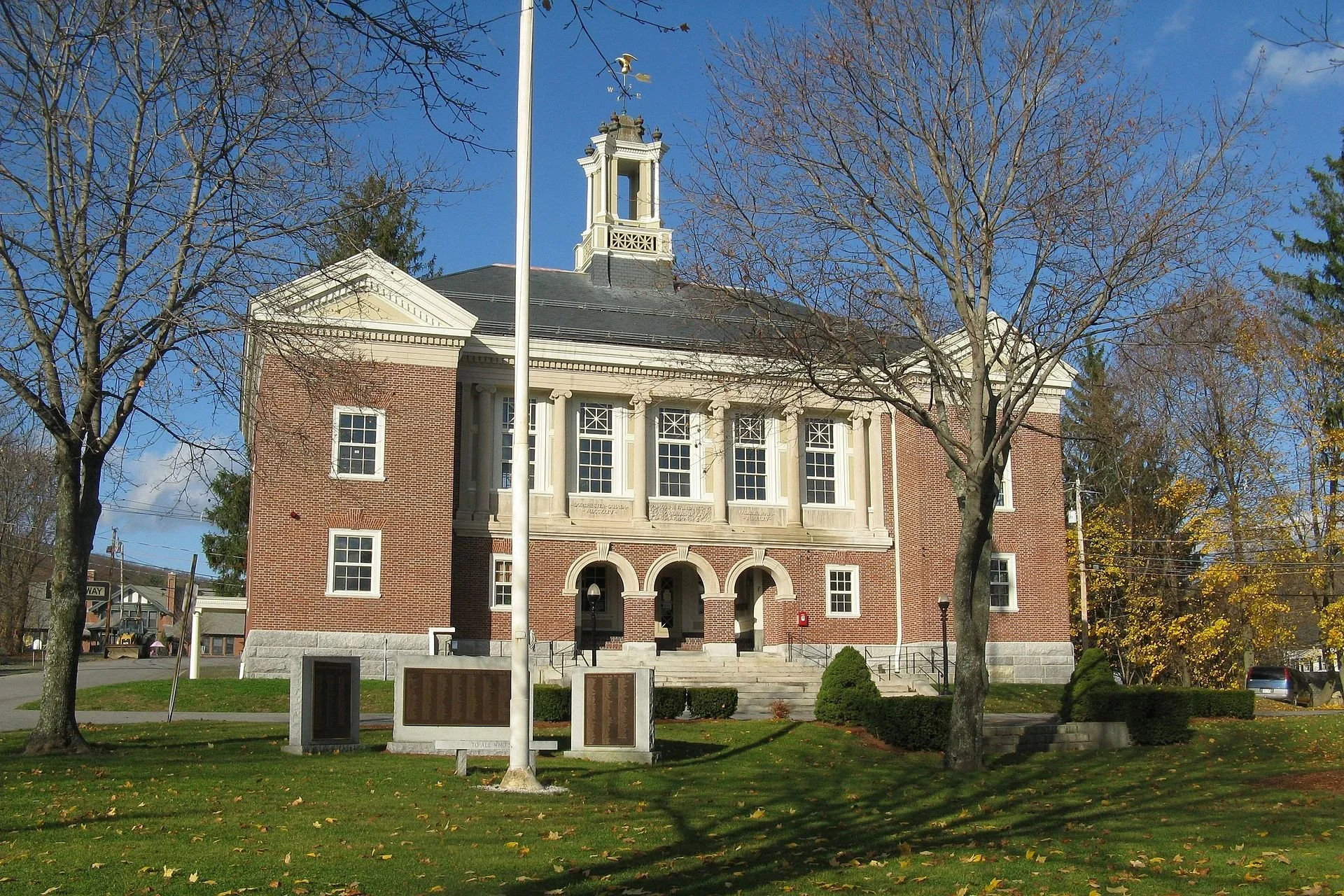
Ashburnham Town Hall
— Photo by John Phelan
Glittery sale

Bid to be luxurious! Sign on East Side of Providence.
— Photo by Robert Whitcomb
Heating cities by extracting warmth from cold ocean water
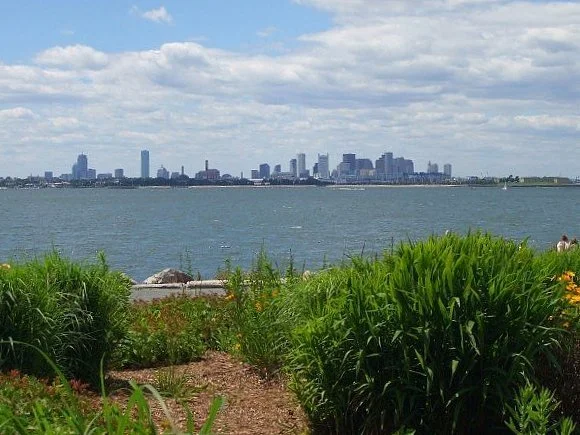
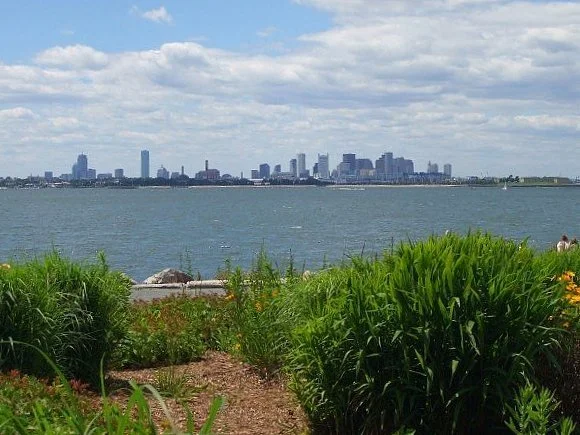
Boston skyline from Spectacle Island.
Adapted from Robert Whitcomb’s “Digital Diary,’’ in GoLocal24.com
Of course, Putin’s attack on Ukraine and the resulting European energy crisis have accelerated efforts to create economies not based on gas, oil and coal from petrostate dictatorships such as Russia. It reminds me of the stuff that came out of the pressure of World War II – mass use of antibiotics and radar, jet engines, new building materials and, yes, the atomic bomb, which was used to end the war in Asia and the Pacific started by the brutal Japanese Empire – adding a new kind of existential fear.
One of the most interesting examples of this recent reactive innovation is in Helsinki, Finland.
There, a new, carbon-neutral heating system is planned in which a tunnel will be used to pull water from the seabed, where water temperature stays constant. The water would then be processed through heat pumps.
Bloomberg City Lab reports that “{H}eat exchangers will remove about 2.7 degrees (Fahrenheit) of heat from the seawater, which will later be returned to the sea via another nine-kilometer tunnel. The energy collected will then be refined via the heat pump process to reach temperatures of up to 203 degrees.’’
Bloomberg reports that “by processing the water through underground heat pumps, the system could generate enough heat to serve as much as 40 percent of the Finnish capital.’’
This is something that should be looked into by some New England coastal communities, especially the biggest ones — Boston, Providence, New Haven, Portland, New London, etc. Meanwhile, if you can scrounge the several thousand dollars to buy and install a heat pump for your home, you can save a lot of money over the long run.
Ships of state need smiles
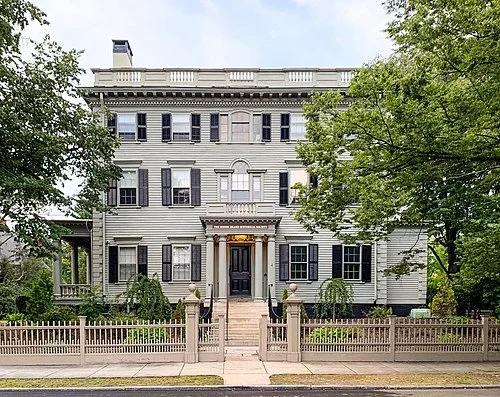
The Aldrich House on College Hill in Providence, where Abby Rockefeller spent much of her youth.
“A nation without humor is not only sad but dangerous.’’
— Abby Aldrich Rockefeller (1874-1948), philanthropist, most famously as a patron of modern art, daughter of very powerful U.S. Sen. Nelson Aldrich of Rhode Island, wife of John D. Rockefeller Jr. and socialite.
Emotional flowers

“Trumpet Vines” (archival pigment print), in the show“Eat Flowers,’’ by Cig Harvey, at Robert Klein Gallery, Boston, through Dec. 18.
The gallery says:
“In this exhibit, the photography of Cig Harvey focuses almost completely on flowers. Harvey wrote that she ‘[wants her] photos to be sensory,’ and with only a quick glance it is clear that the emotion and presence of each piece is palpable.’’

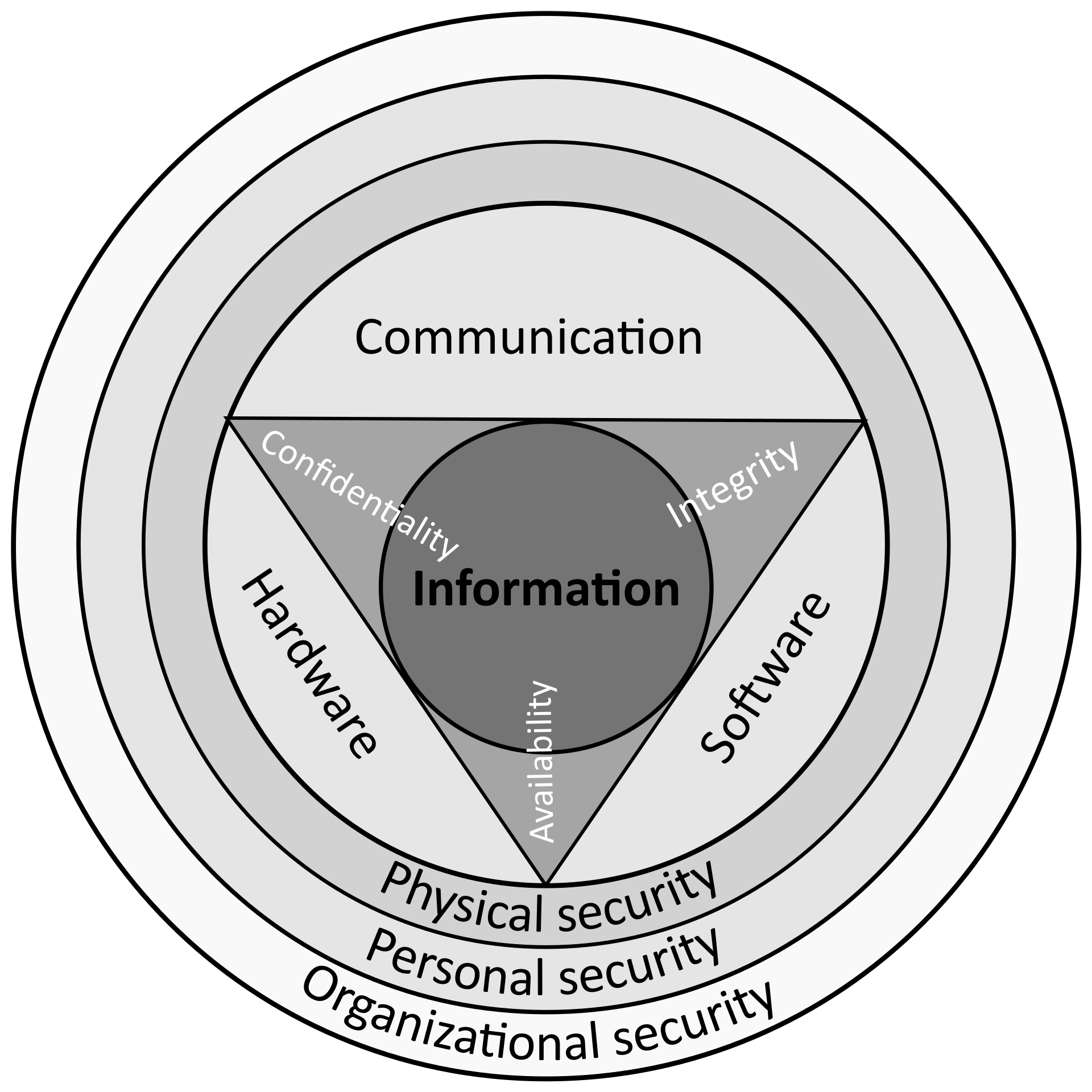
Viktoria Popovska: For New England higher education, cybersecurity signals news threats and opportunities
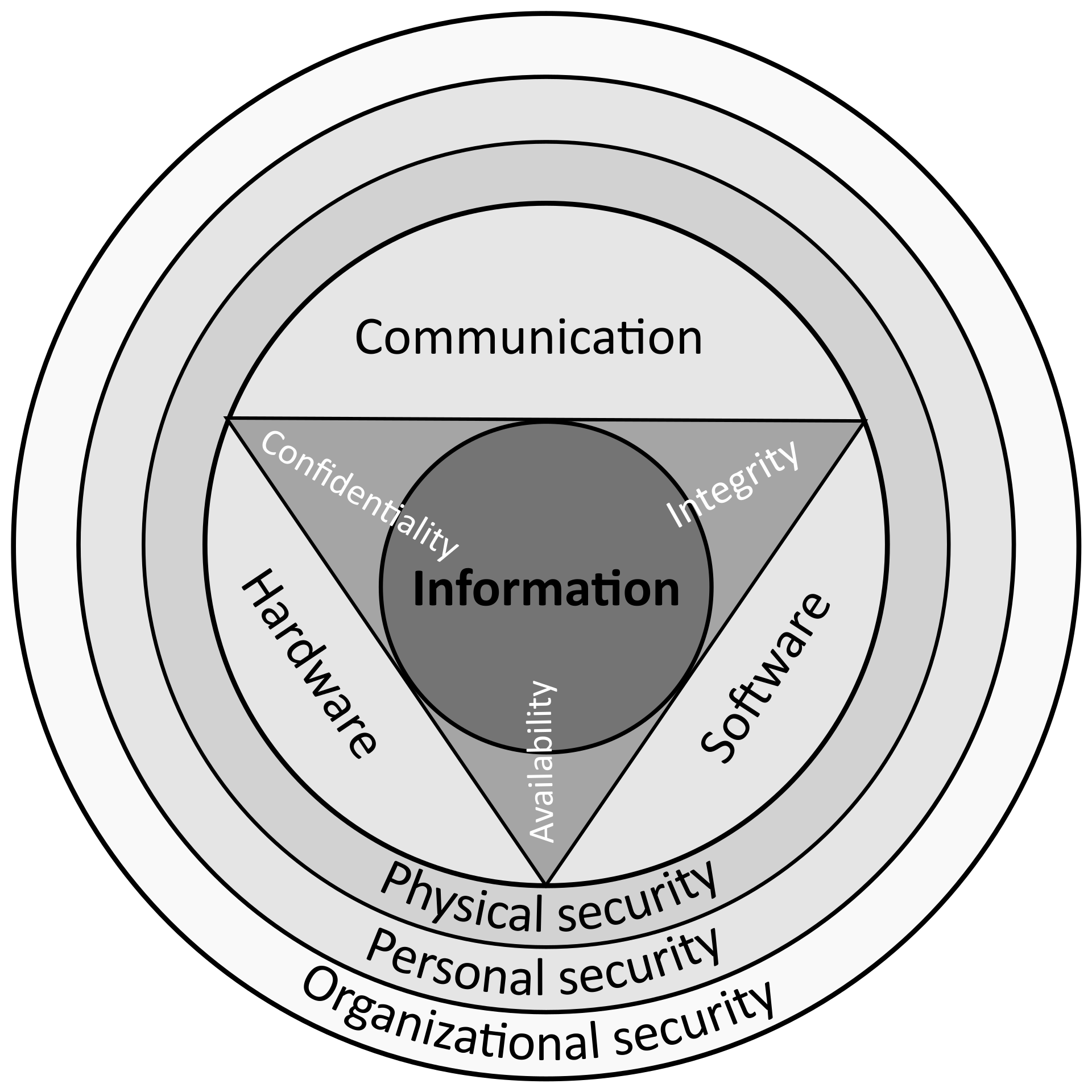
— Graphic by Michel Bakni
From The New England Journal of Higher Education, a service of The New England Board of Higher Education (nebhe.org)
BOSTON
Some of the most common cybersecurity threats are malware, ransomware, phishing and spam. For their victims, including higher education institutions (HEIs), cybercrimes range from inconveniences to data breaches to grand heists like the one that struck Cape Cod Community College (CCCC) four years ago.
In 2018, CCCC, in West Barnstable, experienced a cybersecurity attack resulting in $800,000 stolen from school bank accounts. CCCC was ultimately able to recover more than 80% of the money stolen by the hackers, but impacts of the attack still affect the college.
The cyberattack prompted CCCC, known as the 4Cs, to work with an independent consulting firm to learn best practices related to the institution’s cybersafety. These included, for example, installing endpoint protection software applications that protect servers and PCs from malware campuswide.
President John Cox of Cape Cod Community College spoke about the school’s cyberattack and what he has learned from the situation.
“One of the major takeaways from that is when you are looking at a website or anything electronic and you are being asked to open something up or go to a certain website or scan a QR code, unless you are 99% sure that it’s the real deal, then you shouldn’t hesitate to call the people who sent it to verify it.”
The CCCC attack also prompted the community college to reevaluate its degree programs. In the 2020-21 academic year, CCCC began offering a degree and certification in Information Technology: Cybersecurity. Previously, this pathway had been Information Technology: Security Penetration Testing and though the course requirements haven’t changed much, the new name and reframing of the program is a sign that the 4Cs and other HEIs are realizing the importance of offering cybersecurity programs, and prospective students are taking notice.
Will Markow, the vice president of applied research at LightCast, estimated that his labor market analytics company has seen at least a 40% increase in cybersecurity graduates in the last few years. Despite the rise in people completing cybersecurity degrees, the growth rate of cybersecurity job positions is still double the graduation rate, meaning a cybersecurity skills gap continues to persist.
NEBHE and cybersecurity
NEBHE, with its longtime interest in changing skilled labor demands, has been covering the need for cybersecurity talent for several years. In a 2014 piece in The New England Journal of Higher Education, Yves Salomon-Fernandez, then a vice president at MassBay Community College, wrote about the cybergap and the demand for cybersecurity talent along with New England’s response to the need. Salomon-Fernandez discussed the creation of the New England Cyber Security research consortium, a collaboration between Mass Insight and the Advanced Cyber Security Center. The consortium has evolved into the Cybersecurity Education and Training Consortium, which aims to improve the cybersecurity talent pool. The consortium holds an annual conference where new research is shared and cybersecurity experts lead various workshops.
In 2015, NEBHE announced that cybersecurity was among new academic subject areas to be offered under Tuition Break, NEBHE’s initiative to help students and institutions share high-demand programs. These offerings included associate degree programs in specialized fields such as cybersecurity infrastructure, cybersecurity and healthcare IT, and cybersecurity-digital forensics.
In July 2022, NEBHE, in collaboration with the Business-Higher Education Forum (BHEF), awarded tech talent grants to seven business-higher education partnerships in Connecticut. The grants are a part of an initiative to target growth in tech skills like cybersecurity. Quinnipiac University, the University of Bridgeport and Mitchell college were awarded tech talent grants focused on cybersecurity.
The skills gap
The cybersecurity skills shortage continues to persist and organizations of all types face cybersecurity challenges.
In its 2022 Cybersecurity Skills Gap Global Research Report, Fortinet found that “worldwide, 80% of organizations suffered one or more breaches that they could attribute to a lack of cybersecurity skills and/or awareness.”
The Fortinet report also found that recruiting and retaining cybersecurity talent was a key issue. 60% of organizations have difficulty recruiting cybersecurity professionals and 52% have a difficult time retaining those professionals.
In 2018, The New York Times reported on a prediction from CyberSecurity Ventures that estimated 3.5 million cybersecurity positions will be available but unfulfilled by 2021. CyberSecurity Ventures has since updated its prediction for 2025, but continues to project vacancies at 3.5 million. “Despite industry-wide efforts to reduce the skills gap, the world’s open cybersecurity position in 2021 is enough to fill 50 NFL stadiums,” according to CyberSecurity Ventures.
Clearly, there is a need for more cybersecurity professionals, but why have efforts to reduce the skills gap not worked?
One reason is that people simply aren’t getting the right credentials to secure a cybersecurity position. Many top cybersecurity jobs require not just a bachelor’s degree, but also a master’s and may also require credentials such as a CISSP certification. CISSP stands for Certified Information Systems Security Professional and is independently granted by the International Information System Security Certification Consortium.
Despite the demand for cybersecurity positions to be filled, the industry is slow to soften the credentials or education requirements. But some companies, such as Deloitte, have begun creating a talent pipeline where they train candidates in skills they would not have previously been qualified for.
Cybersecurity and higher education
Cape Cod Community College is far from alone in facing cybersecurity threats.
The threat that cyberattacks pose for HEIs is extremely costly and increasingly frequent, according to April 2022 coverage in Forbes. Ransomware attacks are the most frequent problem for HEIs, with each attack costing on average $112,000 in ransom payments. Forbes writes that HEIs are prime targets for cyberattacks because of their historically underfunded cybersecurity efforts and the way that information sharing and computer systems work in the institutions.
Austin Berglas, global head of professional services and founding member of the cybersecurity firm BlueVoyant, told Forbes that his company had seen a large increase in ransomware attacks in 2020 and 2021 since everyone went remote.
In 2022, a handful of U.S. HEIs have publicly disclosed cyberattacks, according to Hackmageddon, a security breach tracker. Still, most cyberattacks on institutions go unreported unless forced to by law.
Universities have begun upgrading their cyberdefense systems, partially as a result of nudging from the insurance industry.
With the understanding of the threat of cyberattacks, HEIs are working on pumping out cybersecurity professionals.
Consider the University of Bridgeport (Conn.), one of the universities that received a tech talent grant from NEBHE and BHEF. The university announced that it will use the grant money to launch a 12-week course in cybersecurity and information security geared toward the finance and tech sectors. The university plans to offer a certificate to course participants that will allow students to be workforce ready in the cybersecurity field.
Other New England HEIs are also looking to impact the cybersecurity world. Yale University is partnering with other institutions to support the Secure and Trustworthy Cyberspace Program, a research program supported by the National Science Foundation. That program is working on initiatives like the creation of a confidential computing center, making a secure software supply chain and working to improve computing in marginalized communities.
In addition to the programs offered through NEBHE’s Tuition Break, five Massachusetts universities offer bachelor’s degrees in a cybersecurity-related field as well as two in Connecticut, two in Vermont, three in Maine, three in Rhode Island and one in New Hampshire, according to Cybersecurity Guide. Various other associate, master’s and doctoral degrees in cybersecurity fields are also available at New England HEIs.
Cox, of CCCC, also spoke about the school’s partnership with Bridgewater State University, which is developing a cyber range to simulate and test cybersecurity networks. This cyber range will allow students and professionals to perform mock cybercrime investigations to better prepare for any situation.
This is unlikely the last you’ll read on the complex challenges of cybersecurity in The New England Journal of Higher Education.
Viktoria Popovska is a NEBHE journalism intern and a junior at Boston University.
Trust traumas
Graphic by Anja Bauer
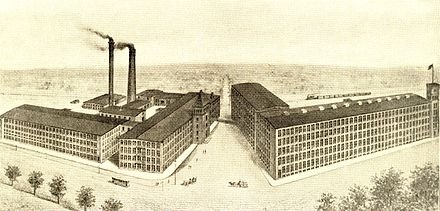
Berkshire Cotton Mills, in Adams, Mass., in the 19th Century, part of a predecessor operation of Berkshire Hathaway.
Adapted from Robert Whitcomb’s “Digital Diary,’’ in GoLocal24.com
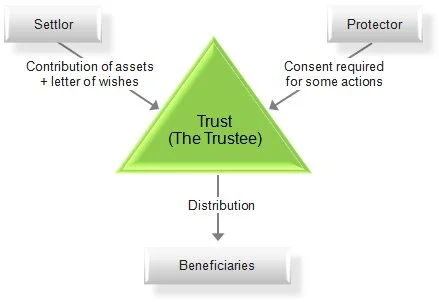
Most people enjoy reading about rich heirs to family fortunes fighting via nasty lawsuits over inherited money, which is usually held in complex trusts. Thus it has been with the widow of Michael Metcalf (who died in 1987) and their three children, who are suing her lawyers. Michael Metcalf ran the late-lamented big multimedia company The Providence Journal Co. Then there are a couple of Chace family cousins in Providence whose family owned Berkshire Hathaway, an old New England textile company that Warren Buffett turned into a kind of mutual fund for rich people.
Most people don’t have much money, and many live paycheck to paycheck. It makes them feel a bit better to see wealthy people angry and unhappy, though these privileged folks, often what the late Providence Mayor Vincent Cianci crudely called simply members of “the lucky sperm club,’’ almost always stay rich, and thus happier than most people.
Hit these links for details on the aforementioned fights:
https://www.golocalprov.com/business/Billionaires-Legacy-Chace-Family-Battle-Over-Control-of-Hundreds-of-Milli