
Vox clamantis in deserto




Scratch here

In a house under the stars
are you happy where you are
multi-tasking, double checking,
corresponding, genuflecting?
Wouldn’t you rather be
thinking of nothing, but of us
arching up your back to me
responding softly to my touch?
If you agree come to me
navigate by those stars
unplug, sign off, disengage -
please be carful in the car.
I’ll be here in a perfect mood
open, willing, hungry, waiting,
discard your things til not a stitch
then indicate where you itch.
— “Enough With Working Remotely,’’ by William T. Hall, a Rhode Island-Florida-Michigan-based painter, illustrator and writer
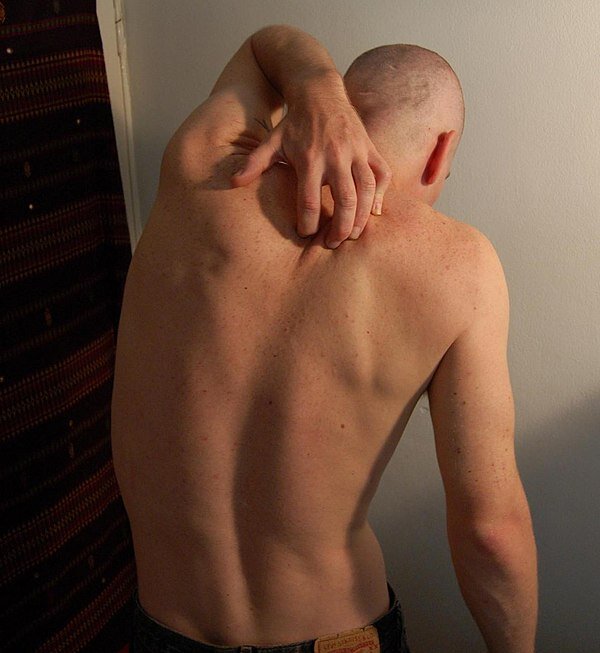
Writing on the trail
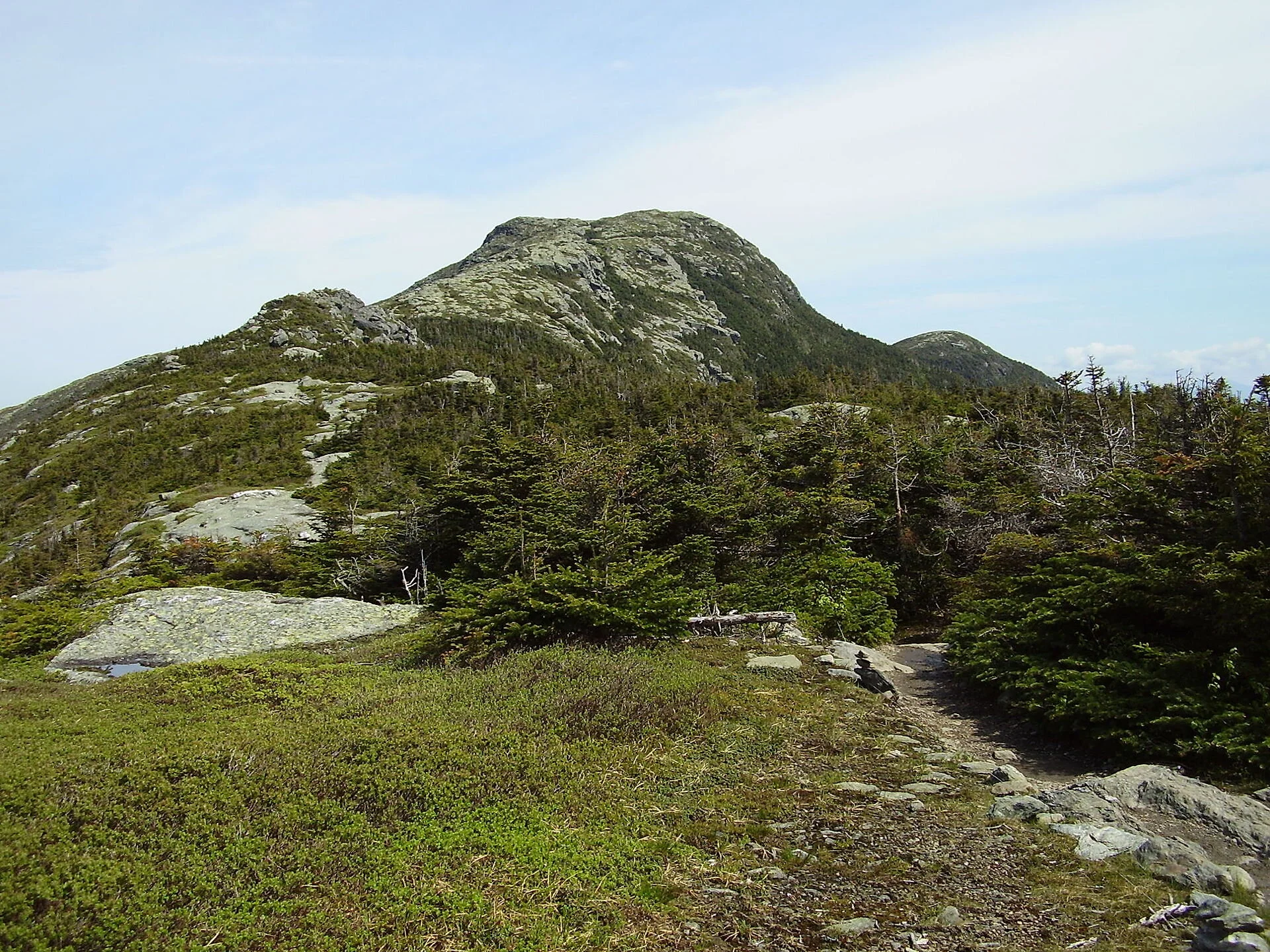
View of Mt. Mansfield on Vermont’s Long Trail

The Ompompanoosuc River, a tributary of the Connecticut River. Its headwaters are in Vershire, on the eastern side of the Green Mountains.
“In high school, I went to a place called the Mountain School. It's on a farm in {Vershire} Vermont, and I read Emerson and Thoreau and ran around the woods. Now I go hiking with a bunch of my comedy buddies. We talk about our emotions. I also do a lot of writing on hikes, just to get the blood flowing and the ideas moving.’’
Nick Kroll (born 1978), American actor, comedian, writer, and producer.
Vershire was named "Ely" in 1880, after the Ely Mining Company, which mined copper. This changed in 1883, after 200 miners struck and seized the mine, leading the National Guard to be called out to suppress the miners. You don’t think of New England having such mines, but there were a bunch of them in northern New England, in the 19th Century.
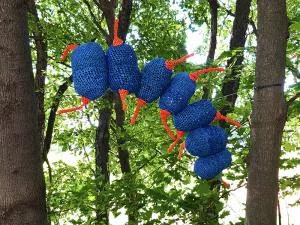
Plarn creatures on the bikeway
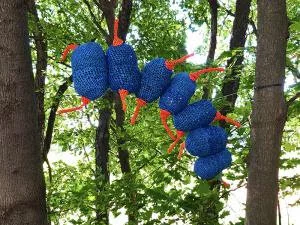
“Tardigrade,” by Michelle Lougee, in the exhibition “Persistence: A Community Response to Pervasive Plastic,’’ at the Minuteman Bikeway in Arlington, Mass., through next Oct. 31.
The exhibition is the culmination of Arts Arlington's first Artist-in-Residence Project, led by fiber artist and sculptor Lougee, who worked with Arlington Public Art Curator Cecily Miller and hundreds of craft people to create 37 sculptures.
Despite their amusing appearance, the exhibition’s very serious goal is to raise awareness about how single-use plastics hurt the environment and human health. The sculptures are made from plarn — a yarn made from plastic bags — and look like organisms found in water.
Artscope reports that Lougee began using plastic bags in her art about a decade ago to bring attention to the damage that plastic is causing the ocean’s eco-systems. For more information, visit artsarlington.org/programs/pathways-art-on-the-minuteman-bikeway/persistence.
'Special plans in heaven'

View of North Adams in 2005
“My death was arranged by special plans in Heaven
And only occasioned comment by ten persons in Adams, Massachusetts.
The best thing ever said about me
Was that I was deft at specifying trump.’’
— From “A New England Bachelor,”’ by Richard Eberhart (1904-2005), a Maine- and New Hampshire-based Pulitzer Prize-winning poet.
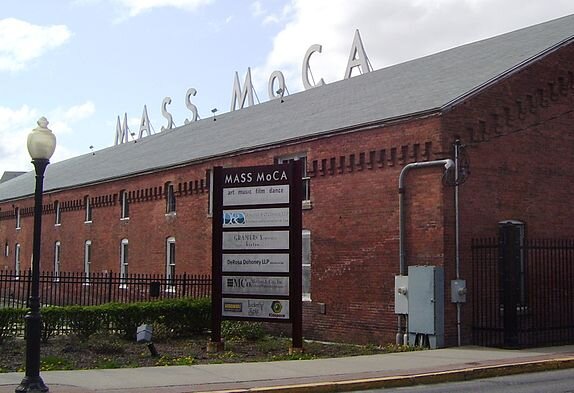
In North Adams, the Massachusetts Museum of Contemporary Art (MASS MoCA), formerly the Arnold Print Works and a facility of Sprague Electronics
'An ironic pessimism'
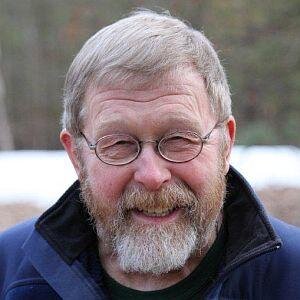
Willem Lange
“What New England is, is a state of mind, a place where dry humor and perpetual disappointment blend to produce an ironic pessimism that folks from away find most perplexing.’’
— Willem Lange (1935-2018), New Hampshire- and Vermont-based book author, newspaper columnist (“A Yankee Notebook”), outdoorsman and northern New England NPR host. He lived in East Montpelier, Vt., from 2007 to his death. Hit this link for his pre-death Web site.
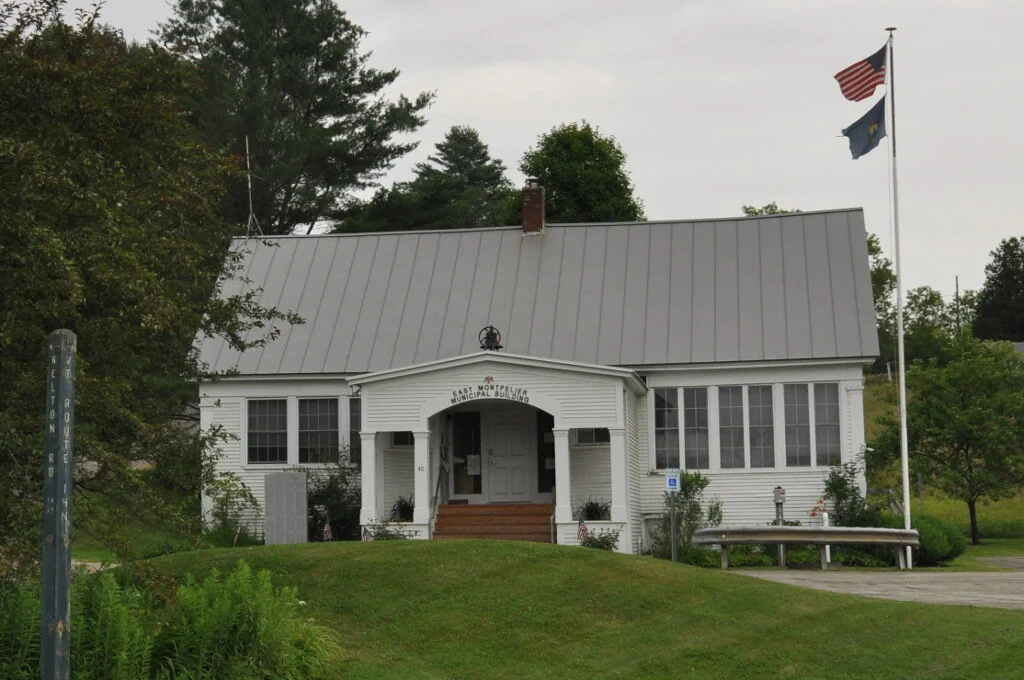
— Photo by Magicpiano
Good news for GE and New England

Adapted from Robert Whitcomb’s “Digital Diary,’’ in GoLocal24.com
Here’s another example of how offshore wind power can be an economic boon for New England:
Vineyard Wind LLC has picked Boston-based General Electric to provide the turbines for its project south of Martha’s Vineyard – in what will be the first large-scale offshore wind farm in the United States. European nations are far ahead of us!
The wind-farm developer, a joint venture owned by Avangrid and Copenhagen Infrastructure Partners, had originally planned to put up turbines made by the Danish-Japanese venture MHI Vestas (soon to be entirely Danish).
But permitting delays led Vineyard Wind to change the wind farm’s layout and equipment. So there will be 62 GE turbines instead of the 84 planned with MHI Vestas. But those General Electric turbines are the world’s most powerful. It’s nice to think that a Massachusetts company will provide this gear for this massive New England project.
And the news may suggest a brighter future for GE, which has faced hard times the past few years.
Hint this link for more information.
Seeking balance in the natural world
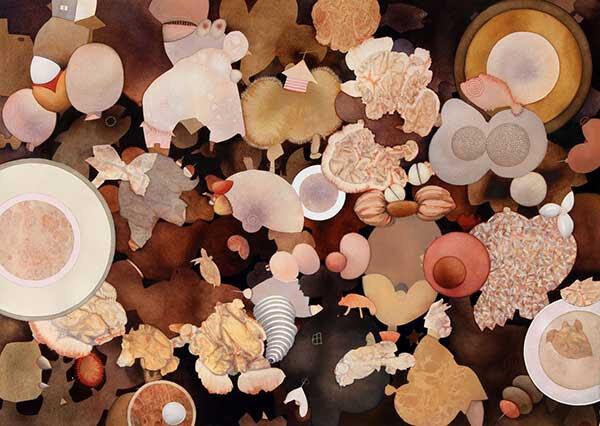
“All In Together III” (watercolor and mixed media on paper), by Thompson, Conn.-based artist Susan Swinand in her show “Nature Imagined,’’ at the Worcester Art Museum through Feb. 7
The museum says: “Swinand has a fondness for the natural world and a desire to find the balance between opposing natural forces. ‘Nature Imagined ‘ explores her creative process, which involves letting her materials take on their own form and tapping into her subconscious to make meaning.’’
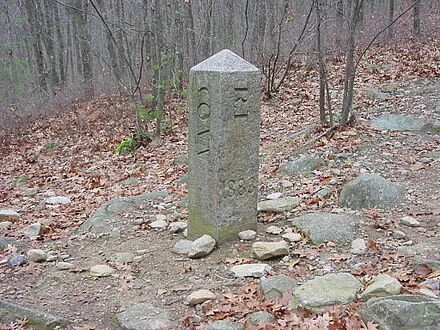
Thompson, in Connecticut’s “Forgotten Corner,’’ is remarkably rural. This marker in the woods shows where Connecticut, Massachusetts and Rhode Island meet.
.
Don Pesci: Looking out for their patrons' health and safety

— Photo by I, Ruhrfisch
VERNON, Conn.
In my mellowing age, I have become a creature of habits, some warring with others.
For the past few years I have taken breakfast on Mondays at one of three diners in East Hartford, West Hartford and Vernon, Conn., all of which are in compliance with Gov. Ned Lamont's possibly unconstitutional directives.
This morning, I found the waitress glowing as usual.
Waitress: (As if greeting a cousin she hasn’t seen in months) “How are you?’’
This was said in such an upbeat tone and with such a broad smile and show of pearly teeth, that I understood her to be genuinely glad to see me and turned the question back on her.
Me: “I’m good (a forgivable white lie; it is difficult to sustain a conversation for more than five seconds with a morning grouch) But not as good as you.’’
Waitress: (Doubt shading her smile) “Well, we are all worried.’’
She pointed to a newspaper I had begun to mark up with notes. Ominous headline: “Thousands more deaths predicted; Gov. Lamont: Still no plans to impose more restrictions,” featuring a picture of Coronavirus- masked Gov. Ned Lamont who, according to the story, was dubious about inflicting more crippling regulations on our battered state, restaurants in particular. Was Lamont prepared to follow in the footsteps of New York Gov. Andrew Cuomo, who has indicated that he would shut down indoor dining if testing rates did not improve? Not yet, Lamont somewhat reassuringly said.
Me: “Yes, I know. When New York sneezes, Connecticut catches a cold. Lamont regularly has followed in the footsteps of his fishing buddy Cuomo.’’
Waitress: “That’s the worry around here. It’s on, it’s off, it’s up, it’s down. We can’t plan our schedules. We can’t plan our lives, and we don’t want this place to close.’’
Me: “I wonder how many separate decisions you and others associated with the diner make each day.’’
Waitress: (hesitating to venture an answer) “I would guess -- hundreds.’’
Me: “What do you say, are those decisions better made by you and others who work here, or by this guy?’’
I pointed to the picture of Lamont, now being pressed by local “scientists,” experts in academia, newspaper commentators, and other pestiferous busybodies, to shut down restaurants once again before the arrival of what I sardonically call “the Trump vaccine.”
Waitress: “Well, would you rather I take your order and serve you directly, or would you rather be served remotely by him?’’
Me: “You, definitely!’’
The waitress doubted that remote, virtual empathy could be more powerful than direct empathy. The diner’s staff, she pointed out, was perhaps more concerned with the health and safety of its clients than the governor, because all who worked at the diner depended upon repeat business and, if you kill a patron, he or she would not return.
Lamont is so flighty, I told her, that it would take days before the food was put before me. And my order was certain to be reviewed countless times before it was fulfilled by members of Lamont’s usual political troupe, such as his communications director, who, I pointed out to the waitress, had been tested positive for Coronavirus.
This produced a glowing smile.
But that is the problem, isn’t it? When we make a decision concerning who decides an issue, we have decided that someone else shall direct what should be done.
Competence here is decisive. Decisions are only as good as the data upon which they are based, and decisions made remotely by those incompetent to make them always point the way to disaster. The number of Coronavirus-related deaths in nursing homes in Connecticut and New York – more than 60 percent of pandemic deaths in both states – is a measure of the deadly incompetence of both governors, though one would never guess as much, given the praise showered upon Lamont and Cuomo by their state’s media.
On Nov. 20, an international academy announced, “Governor Andrew M. Cuomo of New York will receive this year’s International Emmy® Founders Award, in recognition of his leadership during the Covid-19 pandemic and his masterful use of television to inform and calm people around the world.”
Better a good breakfast than a misappropriated Emmy. The breakfast was done to perfection, the service cheerful and satisfying, and the diner is still open for business – for now. But my waitress fear that it may not be long before Lamont catches his second wind and is nominated for an Emmy award as well.
Don Pesci is a Vernon-based columnist.

Llewellyn King: The traitorous tribe that kills fellow Americans

President Trump touring a Honeywell mask factory (!) in May 2020. As at many other crowded events he has attended during the pandemic, Trump and his entourage, (fearful of his rebuke) refused to wear masks at this highly publicized visit.
WEST WARWICK, R.I.
When a nation goes to war its first step to survival is to protect the homeland against invasion. Every citizen is co-opted: It is their national duty.
We are on a war footing against COVID-19. It has invaded our homeland, and it is slaughtering us. Nearly 300,000 are dead and the vast hospital network in the United States is overwhelmed.
A dark cloud passes before our sun. Christmas promises more sorrow as we wait for reinforcements -- in this case, the vaccine -- to arrive.
The first line of defense against this common enemy, this indiscriminate killer, is a simple piece of layered cloth or paper held over the nose and mouth by cloth or elastic strings. It is a face mask, the simplest of defensive weapons.
But there is in the United States a tribe that has lost its head, reminiscent of Nicholas Monserrat’s great novel of 1956, The Tribe That Lost Its head. (See an old cover below.)
There are among us those who won’t defend their homeland, won’t wear masks, and accompany that treason by propagating a theory that to wear a mask is to grant a malign government total authority over the individual, and to bring about totalitarianism; or that to wear a mask is to cede manhood or endanger our way of life.
Worse, there are those who believe that it is a political statement of solidarity with the outgoing administration, with the embattled president, and the raucous nationalism that is the core of his appeal.
Some won’t wear masks out of youthful chutzpah, believing this is a disease of the old and that the young and the healthy are immune. This is a fiction they have been fed by those who should know better and most likely do know better, most of whom reside under Republican roofs, presided over by that Niagara Falls of disinformation, President Trump.
While the nation is taking fatal casualties which it doesn’t need to take, while first responders and medical personal are thrown again and again into the breach, exhausted and scared, the Trump Republicans can’t bring themselves to join the battle.
While the signs of war — a war with a terrible count in deaths -- rages on, congressional Republicans are foraging for scandals like pigs after truffles. Most of them still won’t condemn Trump for his super-spreader activities, like his rallies, parties and reckless behavior in public, which signal masks aren’t needed.
The trouble is that leaders of this headless tribe, this unacceptable face of what was the Grand Old Party, are so cowed that they won’t check the president.
The Republican Party used to be made up of muscular individuals, lawmakers who took their mandate seriously, not today’s pusillanimous followers. Incredibly, most Republican members of Congress can’t bring themselves to admit that Joe Biden won the election and will be the next president. Had there been “massive voter fraud” this wouldn’t be so. The courts would have spoken other than as they have.
All of this has played into the anti-mask movement and its lethal consequences. The virus doesn’t ask party affiliation: It is an equal-opportunity slayer.
Then there is Trump’s great enabler in the Senate, Majority Leader Mitch McConnell.
Even as millions of Americans don’t know where the next meal will come from this Christmas besides a food bank, and rent and utility bills are unpaid, McConnell, and McConnell alone, will decide who gets relief, who gets the shaft for Christmas. He can just refuse to bring a bill to the floor and end it right there. His personal concerns are paramount, not those of the other members of Congress.
Not only does McConnell not wish to understand the gravity of the situation in the country, but he also seems to relish his ability to exacerbate it, to turn his job into a Lego game for his own amusement.
This will be a bleak Christmas lit by the hope that the vaccine will deliver us from despair and bottomless hurt.
But for the vaccine to vanquish the virus, we must get our shots. If the same idiocy that shuns masks prevails, the war won’t fully be won for years when it could be ended next year.
The sight of victory is the best Christmas present, and it is possible next year if we close ranks. Those who will bear the guilt are known. They are in Washington now.
Llewellyn King is executive producer and host of White House Chronicle, on PBS. His email is llewellynking1@gmail.com and he’s based in Rhode Island and Washington, D.C.
Web Site: whchronicle.com

‘Fear advances’
“What most we fear advances on
Tiptoe, breath aromatic. It smiles.
Its true name is what we never know.’’
— From “Sky,’’ by Robert Penn Warren (1905-1989), poet, novelist and critic. A Kentucky native, he lived in Fairfield, Conn., and Stratton, Vt., in his later years.
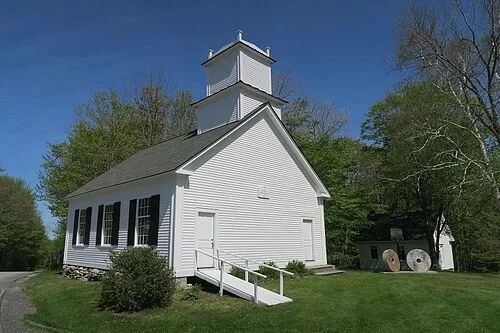
Stratton, Vt., meetinghouse
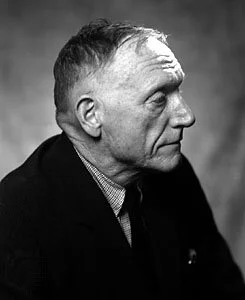
Robert Penn Warren in 1968
'Don't be perfectionist'

“Composition for ‘Jazz,’ “ (1915), by Albert Gleizes, at the Solomon R. Guggenheim Museum, New York
“Jazz Stands for freedom. It’s supposed to be the voice of freedom: Get out there and improvise, and take chances, and don’t be perfectionist —leave that to the classical musicians.’’
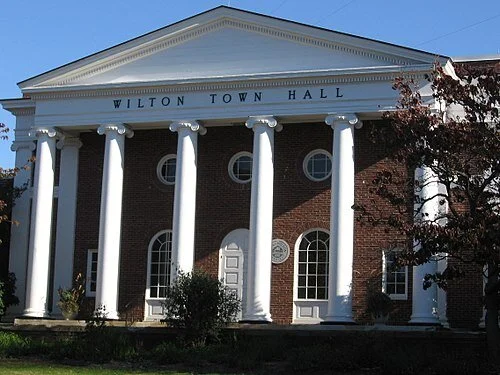
— Dave Brubeck (1920-2012), jazz composer. He and his wife moved to a bucolic part of widely bucolic Wilton, Conn. in 1961, and that remained his home until his death.
Wilton is an affluent residential community with lots of open land, historic architecture, such as the Round House, and colonial homes. Many residents commute to Stamford, New York City or other places in Greater New York.

Dave Brubeck in 1964


John O. Harney: Update on college news in New England

At Wheaton College, which has done very well in facing COVID-19. Left to right: Emerson Hall, Larcom Hall, Park Hall, Mary Lyon Hall, Knapton Hall and Cole Chapel.
BOSTON
From The New England Journal of Higher Education, a service of The New England Board of Higher Education (nebhe.org)
Faculty diversity. In the early 1990s, NEBHE, the Southern Regional Education Board (SREB) and the Western Interstate Commission for Higher Education (WICHE) collaborated to develop the first Compact for Faculty Diversity. Formally launched in 1994, with support from the Ford Foundation and Pew Charitable Trust, the compact focused on five key strategies: motivating states and universities to increase financial support for minorities in doctoral programs; increasing institutional support packages to include multiyear fellowships, along with research and teaching assistantships to promote integration into academic departments and doctoral completion; incentivizing academic departments to create supportive environments for minority students through mentorship; sponsoring an annual institute to build support networks and promote teaching ability; and building collaborations for student recruitment to graduate study. With reduced foundation support, collaboration among the three participating regional education compacts declined, but some core compact activities continued through SREB.
Now, NEBHE and its sister regional compacts are launching a collaborative, nine-month planning process to reinvigorate and expand a national Compact for Faculty Diversity. Under the proposed new compact, NEBHE, the Midwestern Higher Education Compact (MHEC), SREB and WICHE would collaborate to invest in the achievement of diversity, equity and inclusion in faculty and staff at postsecondary institutions in all 50 states. Ansley Abraham, the founding director of the SREB State Doctoral Scholars Program at the SREB, has been instrumental in the design and execution of that initiative. He recently published this short piece in Inside Higher Ed.
Fighting COVID. As the head of the Centers for Disease Control and Prevention (CDC) warned of the roughest winter in U.S. public-health history, Wheaton College has stood out. Our Wheaton, in Norton, Mass. (not to be confused with the Wheaton College in Illinois) developed a plan based on science that has kept positive cases low on campus and allowed in-person classes during the fall semester. Wheaton was able to limit the college’s overall fall semester case count to 23 (a .06 positivity rate among 35,000 tests) due to strong protocols, rigorous testing through the Cambridge, Mass.-based Broad Institute and a shared commitment from the community, especially students. In early November, as cases were spiking across the U.S., the private liberal arts college had its own spike of 13 positive cases in one day. But thanks to immediate contact tracing in partnership with the Massachusetts Community Tracing Collaborative, only one positive case resulted after that day, notes President Dennis Hanno. Part of Wheaton’s success owes to its twice-a-week testing throughout the semester. The college also credits its work with the for-profit In-House Physicians to complement internal staff in managing on-campus testing and quarantine/isolation housing.
New England in D.C. The COVID-19 crisis should make national health positions crucial. Earlier this week, President-elect Joe Biden tapped Dr. Rochelle Walensky, an infectious disease physician at Medical School and Massachusetts General Hospital, to lead the CDC and Dr. Vivek Murthy, who attended Harvard and Yale and did his residency at Brigham and Women’s Hospital, to be surgeon general. They’ll work with Dr. Anthony Fauci, the chief medical advisor and College of the Holy Cross graduate who has served six presidents.
Last month, as Biden’s transition team began drawing on the nation’s colleges and universities to prepare to take the reins of government, we flashed back to a 2009 NEJHE piece when Barack Obama was stocking his first administration. “As they form their White House brain trusts, new presidents tend to mine two places for talent: their home states and New England—especially New England’s universities, and especially Harvard,” we noted at the time. Most recently, two New England Congresswomen have scored big promotions on Capitol Hill. Rosa DeLauro (D.-Conn.) became Appropriations chair and Katherine Clark (D.-Mass.) was elected assistant speaker of the House. Richard Neal (D.-Mass.) was already chairman of the powerful House Ways and Means Committee.
Indebted. U.S. Sen. Elizabeth Warren (D.-Mass.), long a champion of canceling student debt, called on Biden to take executive action to cancel student loan debt. “All on his own, President-elect Biden will have the ability to administratively cancel billions of dollars in student loan debt using the authority that Congress has already given to the secretary of education,” she told a Senate Banking Committee hearing. “This is the single most effective economic stimulus that is available through executive action.” About 43 million Americans have a combined total of $1.5 trillion in federal student loan debt. Such debt has been shown to discourage big purchases, growth of new businesses and rates of home ownership among other life milestones. Warren has outlined a plan in which Biden can cancel up to $50,000 in federal student loan debt for borrowers.
Jobless recovery? Everyone knew the public health crisis would be accompanied by an economic crisis. This week, Moody’s Investors Service projected that the 2021 outlook for the U.S. higher-education sector remains negative, as the coronavirus pandemic continues to threaten enrollment and revenue streams. The sector’s operating revenue will decline by 5 percent to 10 percent over the next year, Moody’s projected. The pace of economic recovery remains uncertain, and some universities have issued or refinanced debt to bolster liquidity. (As this biting piece notes, “Just as decreased state funding has caused students to go into debt to cover tuition and fees, universities have taken on debt to keep their doors open.”)
The name of the game for many higher education institutions (HEIs) is coronavirus relief money from the federal government. NEBHE has written letters to Congress calling for increased relief based on the many New England students and families struggling with reduced incomes or job loss and the costs associated with resuming classes that were significantly higher than anticipated. These costs have been growing based on regular virus testing, contact tracing, health monitoring, quarantining, building reconfigurations, expanded health services, intensified cleaning and the ongoing transition to virtual learning. Citing data from the National Student Clearinghouse, NEBHE estimated that New England’s institutions in all sectors lost tuition and fee revenue of $413 million. And that’s counting only revenue from tuition and fees. Most institutions also face additional budget shortfalls due to lost auxiliary revenues (namely, from room and board) and the high costs of compliance with new health regulations and the administration of COVID-19 tests to students, faculty and staff. (When the relief money is spent and by whom is important too. Tom Brady’s sports performance company snagged a Paycheck Protection Program loan of $960,855 in April.) Anna Brown, an economist at Emsi, told our friends at the Boston Business Journal that higher-ed staffers working in dorms, maintenance roles, housing and food services have been hit hard, and faculty will not be far behind
Admissions blast from the past. I’ve overheard too many conversations lately with reference to “testing” and wondered if the subject was COVID testing or interminable academic exams. Given admissions tests being de-emphasized by colleges, we were reminded me of a 10-year-old piece by Tufts University officials on how novel admissions questions would move applicants to flaunt their creativity. The authors told of how “Admissions officers use Kaleidoscope, as well as the other traditional elements of the application, to rate each applicant on one or more of four scales: wise thinking, analytical thinking, practical thinking and creative thinking.” Could be their moment?
Anti-wokism. The U.S. Department of Education held “What is to be Done? Confronting a Culture of Censorship on Campus” on Dec. 8 (presumably not deliberately on the anniversary of John Lennon’s assassination). The hook was to unveil the department’s “Free Speech Hotline” to take complaints of campus violations. The event organizers contended that “Due to strong demand, the event capacity has been increased!” The department’s Assistant Secretary for Postsecondary Education Robert King began noting that we’ll hear from “victims of cancel culture’s pernicious compact” where generally “administrators cave to the mob and punish the culprit.” He noted, “Coming just behind this are Communist-style re-education camps” and assured the audience that the department has launched several investigations into these kinds of offenses like those that land awkwardly in my inbox from Campus Reform. Universities are no place for “wokism,” one speaker warned, adding that calls for diversity and tolerance actually aim to squelch unpopular opinions.
Welcome dreamers. Last week, a federal judge ordered the Trump administration to restore the Deferred Action for Childhood Arrivals (DACA) program to how it was before the administration announced plans to end it in September 2017. DACA provides protection against deportation and work authorization to certain undocumented immigrants who were brought to the U.S. as children. DACA participants include many current and former college students. NEBHE issued a statement in support of DACA in September 2017 and has advocated for the initiative’s support.
John O. Harney is executive editor of The New England Journal of Higher Education.
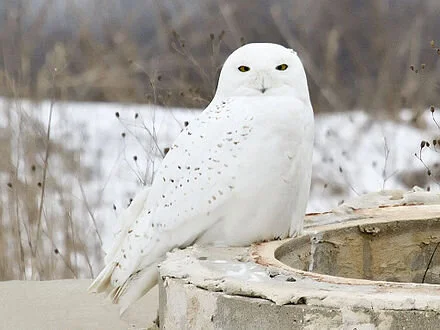
Snowy Owls need a lot of space
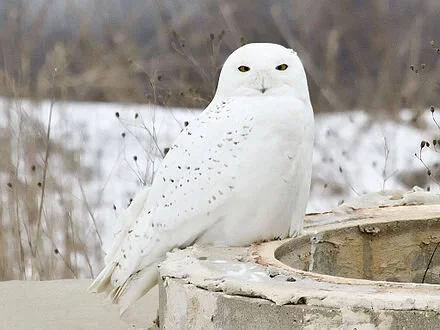
A male Snowy Owl
From ecoRI News
A few Snowy Owls are typically spotted in Rhode Island each year, and over the past few weeks a couple of these majestic birds have been sighted, according to the Audubon Society of Rhode Island.
As nature enthusiasts flock to the shore in hopes of glimpsing these birds, Audubon experts worry about the stress these owls are facing, caused by their long journey, shortage of food, and human interference.
Chilly temperatures and fewer food sources mean that winter months can be challenging for all birds. They need to be constantly refueling with high-protein energy sources to maintain their body temperature. Birds also can easily become stressed by people getting too close. Energy used to escape from perceived danger is energy that can’t be used to find food sources and shelter. All birds, including Snowy Owls, can face serious health consequences from nature enthusiasts trying to get too close or take the perfect photograph.
Over the past several months, rare bird species have been sighted in Rhode Island, including a common cuckoo in Johnston. The Audubon Society, while understanding the enthusiasm that these rare sightings bring, noted that trampled habitat and trespassers on private farmland was a result.
Audubon urges all birders and nature enthusiasts to be respectful of private property and the natural habitat that sustains birds and wildlife, including sections of wildlife refuges that may be closed to the public for critical conservation purposes.
Many wonder why Snowy Owls travel south to begin with, and why their numbers are higher in certain years.
“It's all about food,” said Lauren Parmelee, an expert birder and the Audubon Society of Rhode Island’s senior director of education. “Snowy Owl numbers are closely connected to the populations of rodents in the Arctic region called lemmings. In years when there are plenty of lemmings, these owls lay more eggs and successfully raise a larger number young to adulthood. But when winter comes to the tundra, competition for food increases dramatically and many of the younger birds disperse beyond the boundaries of their arctic habitat.”
These hungry birds will then travel a great distance looking for food and will appear on the beaches and rocky shorelines in Rhode Island and other coastal states.
Audubon urges visitors to follow these guidelines for viewing Snowy Owls and other birds this winter:
Don’t try to creep close. Be content to view at a distance. Give Snowy Owls a space of 200-300 feet or more. This isn’t a bird you should be sneaking up on with your camera phone. Use binoculars and spotting scopes if you have them.
Try to stay as a group if there is more than one observer. Never encircle birds or owls. All viewers should stay on one side of the bird.
Snowy Owls are powerful hunters and very capable of capturing prey, so please don’t try to feed them.
Don’t observe these owls for an overly long period of time. Your presence causes stress.
Spread the word about respectful birding etiquette and keeping a safe distance. You can help to ensure that local birds survive the winter and that snowy owls have a better chance of making it home to the Arctic in the spring.
Snowy Owls are protected by the Migratory Bird Treaty Act of 1918.
Download Boston Guardian’s new app
Download The Boston Guardian’s app on your iPhone, tablet and computer by going to the Apple store. The Guardian is chock full of news and feature stories, and photos, about life in New England’s capital, especially the Back Bay, the Fenway-Kenmore Square area, Beacon Hill and the business/commercial downtown. The Guardian is Boston’s largest circulation weekly newspaper.

What did this year mean?

“We Who Believe in Freedom” (study acrylic on birch panel), by LMNOPI (yes — that’s her name), in the Bennington (Vt.) Museum’s show through Dec. 28 entitled “Vermont Utopias: Imagining the Future .’’ The show is part of “2020 Vision: Reflecting on a World-Changing Year,’’ a statewide initiative by the Vermont Curators Group that aims to explore how 2020 has changed the world.
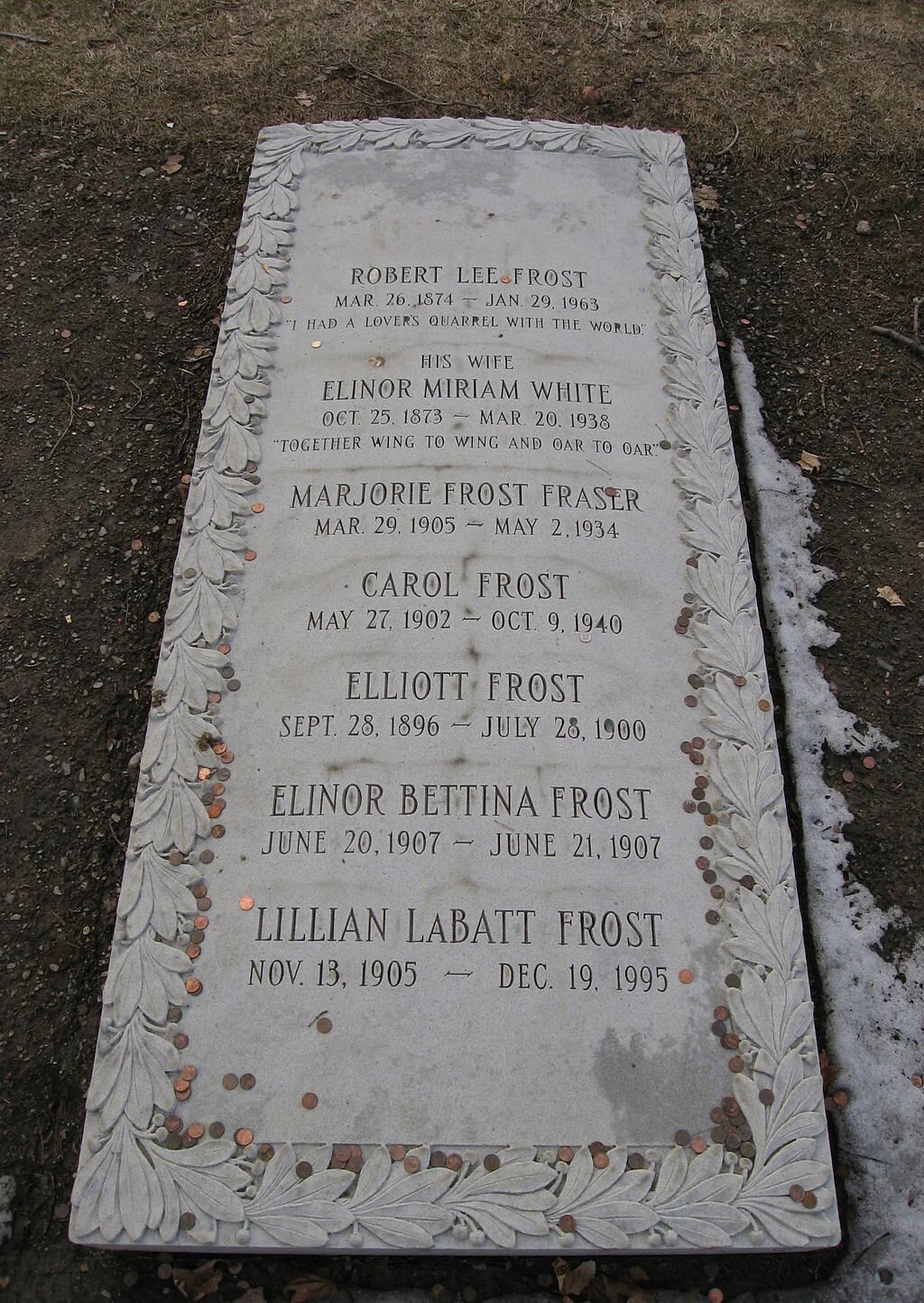
Robert Frost’s grave in Bennington
America the Dizzy in 2020
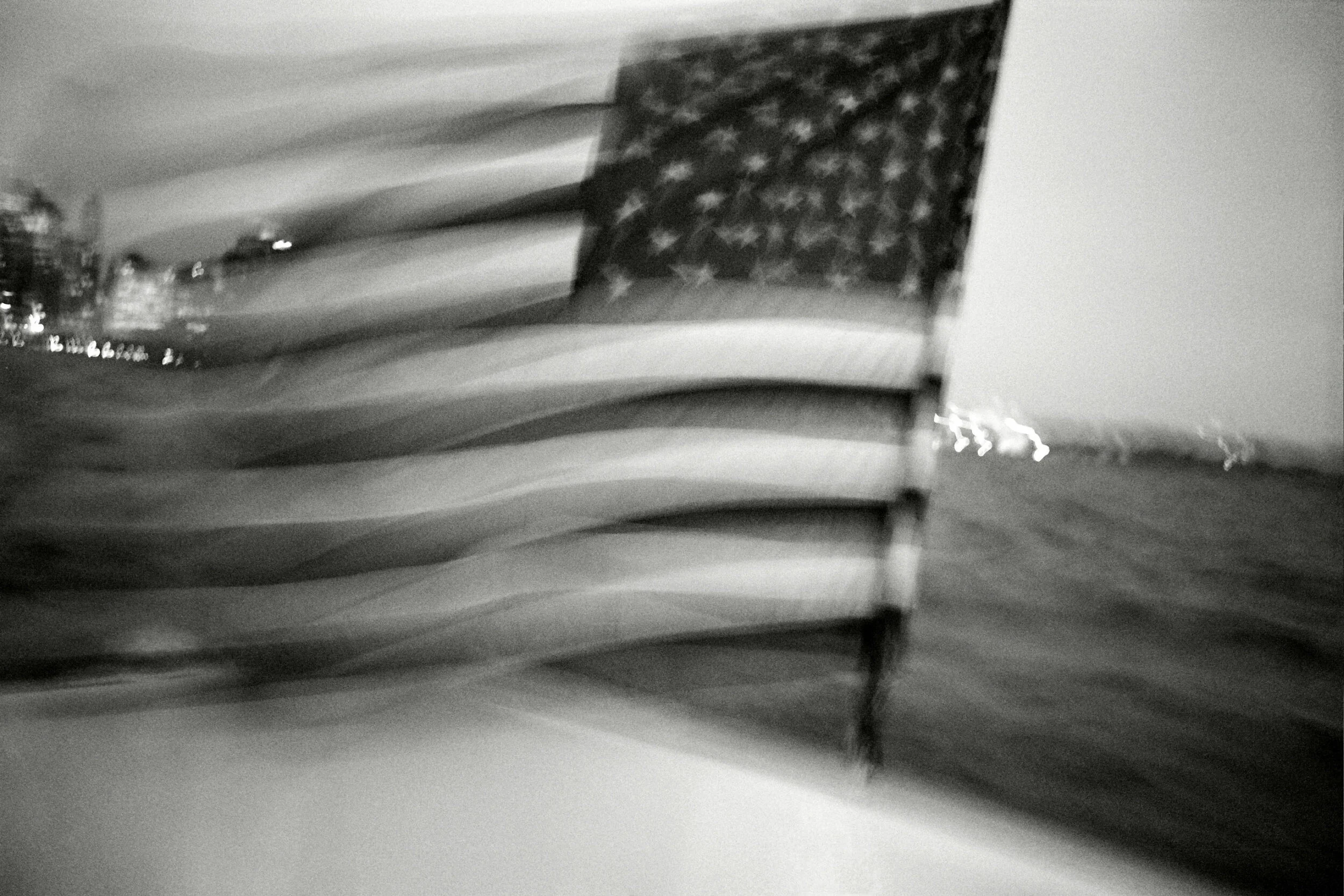
On a launch in New York Harbor
— Photo by Philip K. Howard, New York-based photographer, civic reformer, lawyer, arts leader and author.
See:
https://philipkhoward.com/
A 'flat push'
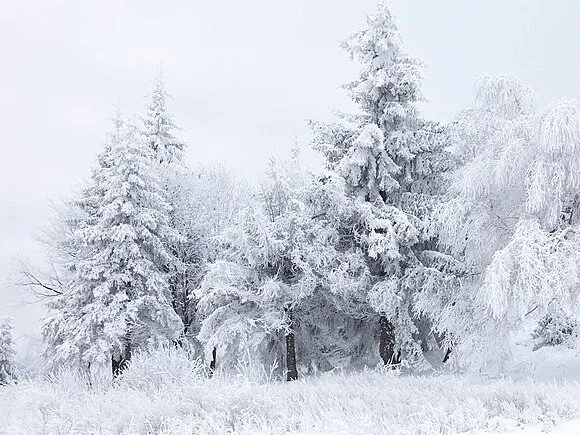
“Outside the snow comes rolling in
from the flats of Quebec. It’s the flat push
on things I fear. The north glass
rattles and bulges….’’
— From “Storm,’’ by John Engels (1931-2007), a Vermont poet. He taught at St. Michael’s College, in Colchester, just north of Burlington.

“Allegory of Winter,’’ by Jerzy Siemiginowski-Eleuter (1683)
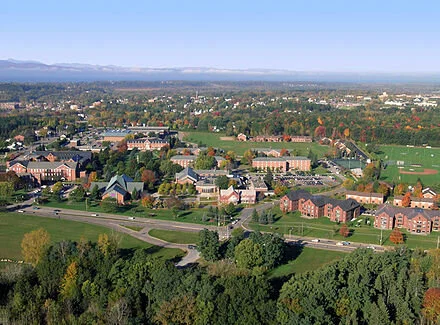
St. Michael’s College
Blessings of age

Maple between spruce trees
“I am in love with the world. And I look right now, as we speak together, out my window in my studio and I see my trees and my beautiful, beautiful maples that are hundreds of years old, they’re beautiful. And you see I can see how beautiful they are. I can take time to see how beautiful they are. It is a blessing to get old. It is a blessing to find the time to do the things, to read the books, to listen to the music.”
— Maurice Sendak (1928-2012), children’s author. He lived in Ridgefield in western Connecticut. The town hosts the Aldrich Museum of Contemporary Art. (See picture below.)


Sugar maple in early summer

Aldrich Museum of Contemporary Art
Finding genetic variations in severity of COVID-19 symptoms

— Photo by Tim Pierce
Here’s the latest roundup of COVID related developments in the region from The New England Council (newenglandcouncil.com):
“Researchers at Beth Israel Deaconness Medical Center have shed light on COVID-19 symptom severity with new research. The study, published in the New England Journal of Medicine, reveals the role of genetic variations in the severity of COVID-19 symptoms. Read more here. And:
Mass General Brigham has joined with news publications as well as hospitals and health systems across the country to urge people to continue to wear masks during this critical period. Read more here.
Harvard University Medical School researchers have created a new tool for the creation of new adult cells for research. The new Human TFome systems will allow cells to be customized by researchers to the disease they are studying. Read more here.’’