
Vox clamantis in deserto








Chris Powell: Kids learned better before Internet and education decline reflects family decline

No screen in sight
Congratulations to Connecticut billionaires Ray and Barbara Dalio for discovering at last a way to try to improve the education of poor children in the state without destroying its freedom-of-information law.
Their previous idea was for state government to create a commission of Dalio and government representatives to distribute $100 million from the Dalios and $100 million from the state while exempting the commission from the usual rules for accountability. No good explanation for that exemption was provided, so the purpose seemed to be to help both sides maneuver the money for patronage.
Fortunately the commission imploded in incompetence as it moved to fire its executive director in secret just weeks after hiring her. This embarrassment, piled on top of the unaccountability, caused the Dalios to withdraw petulantly, blaming the enterprise's incompetence on those who resented the Dalios' buying their way above the law.
But last week the Dalios and the Connecticut Conference of Municipalities announced that they will work together to provide laptop computers and internet access to the state's neediest students. Since government money won't be involved, the accountability law won't apply directly, though it will apply to municipal governments that work with the new consortium to determine who gets what.
Of course such ordinary philanthropy would have been possible in the first place without any exemption from the accountability law. Though no state appropriation appears necessary for the new plan, any appropriation will be subject to the law this time.
How much money the Dalios are prepared to give away in the new undertaking isn't determined yet. Unlike their first attempt, there won't be state matching funds. But state government was insolvent when the first undertaking was announced and now, because of the virus epidemic, its finances are even more precarious and Connecticut has needs far greater than internet connectivity.
Besides, while the Internet provides access to nearly all knowledge, it also provides access to infinite amusement, distraction and misinformation. Further, does anyone really think that the failure of poor kids in school is caused by a lack of Internet access and computers?
How did students manage to learn before those inventions, and, indeed, judging from test scores, to learn better than they do now? Who can guarantee that poor kids given laptops and Internet access at home will use them to study rather than just socialize, play games, and watch movies and cartoons?
Free laptops and Internet access may help those who are already inspired or compelled to learn, but performance in school is mainly a matter of parenting, and most poor kids are fatherless and, if their mother works, not much supervised and mentored at home by anybody. Many kids today can't even get fed at home, which is why schools now provide not only free lunches but also breakfasts and dinners, even throughout summer vacation.
Of course there are exceptions. Some kids get inspired despite all hardships. But for many kids their most important mentors are teachers, not parents, another urgent reason to get schools operating normally again. Connections between teachers and students are so much harder to build through "distance learning," which, however bravely attempted, failed this year precisely because too many parents, especially poor ones, failed to make their kids participate.
The decline of education is the decline of the family. Welfare policy may solve that problem someday but mere technology won't, at least not until somebody invents robots that make good parents.
Chris Powell is a columnist for the Journal Inquirer, in Manchester, Conn.
Don't go out there

Horizon #34, (C-print mounted to dibond), by Jonathan Smith, at Lanoue Gallery, Boston. The gallery says:
“Smith's work consists of large scale, highly nuanced, color photographs of the stark natural beauty and inherent impermanence of landscapes.’’
Dining in the field
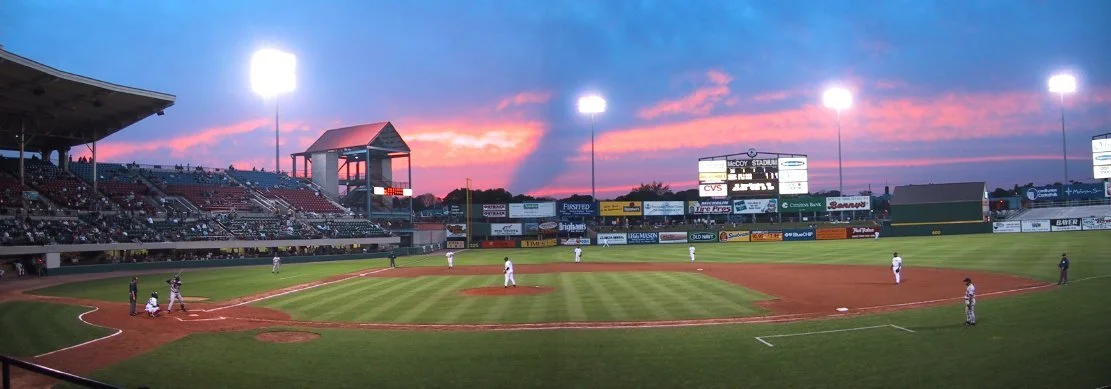
McCoy Stadium when they still played baseball there
— Photo by Meegs
From Robert Whitcomb’s “Digital Diary,’’ in GoLocal24.com
On July 24, a bunch of us celebrated a friend’s birthday with dinner at a table in the middle of the field at McCoy Stadium, home of the Pawtucket Red Sox, which of course is decamping for Worcester. The stands have been eerily empty in this COVID-closed season but there were lots of widely separated but fully occupied tables at what has been turned into a very nice reservation-only, open-air restaurant this crazy summer. Luscious lobster- salad sandwiches, by the way. And the birthday girl was honored on the giant screen. I’ve been to McCoy many times but was again surprised by how big it seems for a Minor League team.
It had been a hot day, but a nice breeze over the grass kept us comfortable and then we enjoyed a gorgeous sunset. For some reason, McCoy has superb sunsets.
I felt a pang knowing that professional baseball will probably never again be played at McCoy, which more likely than not will be torn down. We always found a PawSox home game a very nice outing for out-of-towners; foreigners seemed to especially enjoy it.
I’m getting a tour soon of the “WooSox” site, where the Polar Park stadium (named after the Worcester-based seltzer company), is going up; I’ll report back. Will pandemic problems prevent it from opening on schedule next spring?
Maybe some day professional baseball will return to Rhode Island; it certainly has the population density and location to be attractive for a sports team. (I have always thought that the most interesting and dramatic place for a Rhode Island baseball stadium would have been on Bold Point, in East Providence.)
The biggest question may be: How popular will baseball be in coming years compared to other sports? Is it too late to turn McCoy into a soccer stadium?
xxx
The death on July 29 of Lou Schwechheimer from COVID-19 has saddened many people. Lou was the longtime vice president and general manager of the PawSox during the club’s heyday under the ownership of the late Ben Mondor. Lou, working with Mr. Mondor and Mike Tamburro, then the club’s president and now vice chairman, turned the organization into one of the most successful teams in Minor League Baseball.
I encountered Lou many times, and his presence was a tonic. He seemed to have endless supplies of energy, enthusiasm, ingenuity and good humor. He had a memorable capacity for making and keeping friends and boosting the community that the PawSox entertained for so many years.
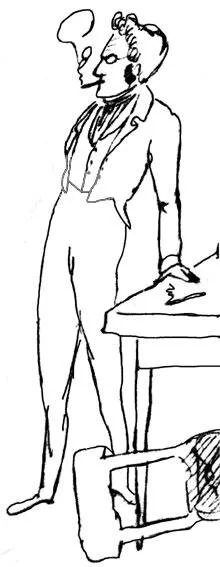
Llewellyn King: America’s hyper-individualism is killing it
WEST WARWICK, R.I.
To compound the COVID-19 crisis, we have a cultural crisis. It is a crisis of our individualism.
That cultural element, precious and special, of the individual against adversity, the individual against authority, the individual against any limits imposed on free action, is at odds with the need to behave. Worse, our individualistic trait has been politicized, dragged to the right.
This aspect of American exceptionalism is now killing us, on a per-capita basis, faster than people in any other country. We are in a health crisis that demands collective action from people who revere individual freedom over the dictates of the many, as expressed by the government.
Simply, we must wear masks and stay away from groups. It works; it is onerous but not intolerable.
There is a hope, almost a belief, afoot that by the end of the year there will be a vaccine, and that the existence of a vaccine will itself signal an end to the crisis.
A reality check: No proven vaccine yet exists. Although all the experts I’ve contacted believe one will work and several might.
Another reality check: It may take up to five years to vaccinate enough people to make America safe. My informal survey of doctors finds they expect one-third of us will be keen to be vaccinated, one-third will hold back to see how it goes, and one third may resist vaccination because they’re either opposed in principle or consider it to be a government intrusion on their liberty.
If their expectation holds true, COVID-19 is going to be with us for years.
No doubt there are better therapies in the pipeline to deal with COVID-19 once the patient has reached the hospital. But that won’t affect the rate of infection. The assault on our way of life and the economy will continue; the price our children are paying now will escalate.
If you’re pinning your hopes on a vaccine, several may come along at the same time and jostle for market share. That happened with poliomyelitis: Three vaccines were available, but one failed because of alleged poor quality control in manufacture. If there is a scramble among vaccines, look out for financial muscle, politics, and nationalism to join the fray. None of these will be helpful.
So far, there has been a catastrophic failure of leadership at the White House and in many statehouses. “Say it isn’t so” is not a policy. That is what President Trump and Republican governors Ron DeSantis, of Florida, and Brian Kemp, of Georgia, have, in essence, said, resulting in climbing infections and deaths.
Americans sacrificed on a politicized cultural altar.
We know what to do: A hard lockdown for a couple of weeks would stop the virus in its tracks. It worked in New York.
We are in a war without leadership. We have governors forced to act as guerrilla chiefs rather than generals of a national army under unified leadership with common purpose.
Right now, we should hear from the political leadership about what they plan to do to slow the spread of COVID-19 and how, when this is over, they plan to rebuild: What will they do to help the 20 million to 30 million people in hospitality and retail whose jobs have gone, evaporated?
Refusing to wear a mask may have deep cultural significance for some, particularly in the West, but for all of us, restaurants are part of the fabric of our living. For most us, the happiest moments of lives have been in a restaurant, celebrating things that are precious milestones in life, such as birthdays, engagements and anniversaries.
We can’t give one cultural totem precedence over another.
More than half the nation’s restaurants may never reopen -- employing 10 percent of the nation’s workforce and accounting for 4 percent of GDP -- and the biggest helping hand to them would be to throw the Defense Production Act at manufacturing millions of indoor air scrubbers. It would increase livability for all, ending our isolation from each other.
Wash your hands, America. Don’t wring them. We can beat the virus when we fight on the same side with science and respect the commonweal.
Llewellyn King is executive producer and host of White House Chronicle, on PBS. His e-mail is llewellynking1@gmail.com and he’s based in Rhode Island and Washington, D.C.
Website: whchronicle.com

Character and civilization
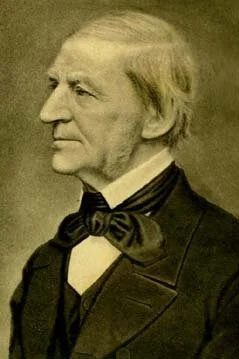
Ralph Waldo Emerson (1803-1882), famed essayist and a personification of the New England character
“New England likes to think it has a civilization based on character. The South likes to think it has a character based on civilization. A big difference.”
— Henry Allen, in “The Character of Summer,’’ in the July 14, 1991 Washington Post
Maine event

Bad Little Falls on the Machias River in Machias
“As if the banks were lined by spiders
tossing long, shimmering filaments
the river crawls along like prey.”
….Some have caught a fish. Four crescent tails
are nailed to my woodshed door.
For summers to come
they will draw the iridescent flies.’’
— From “Bluefish run, Machias, Maine,’’ by Paul Nelson
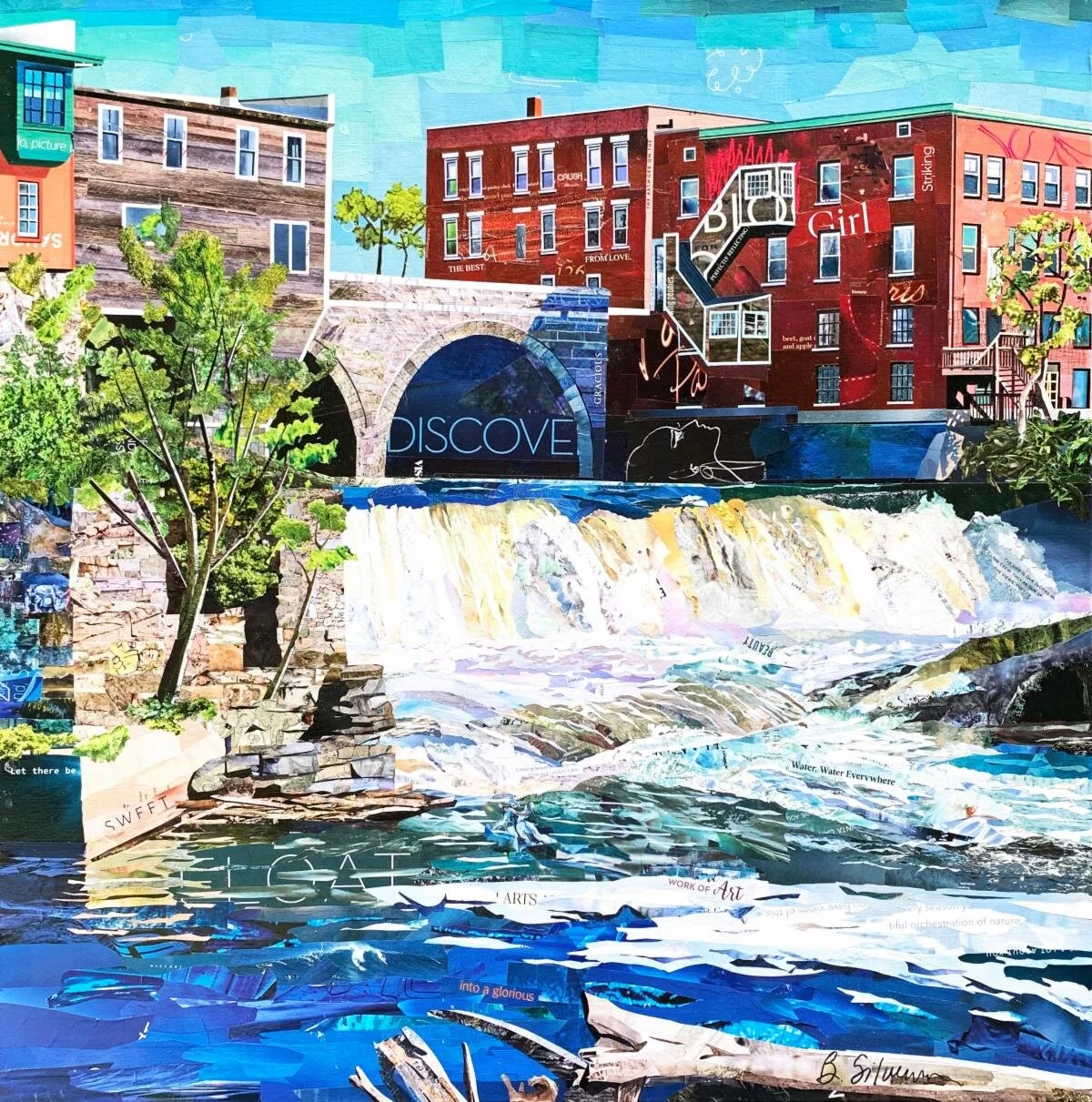
'Fragmented realism'
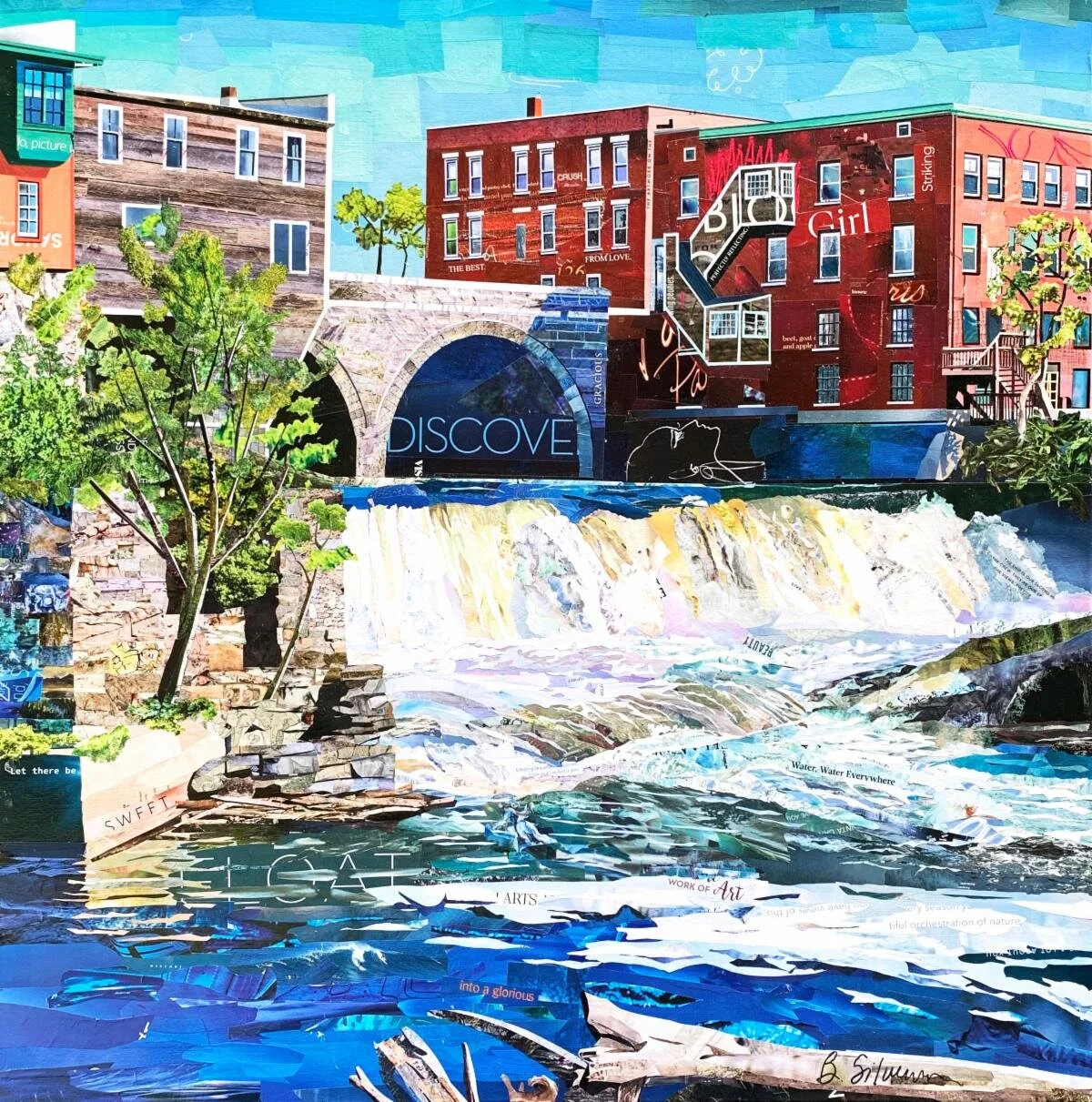
Collage made entirely of paper cut from recycled magazines, by Betsy Silverman, in her show “Cut It Out,’’ at Edgewater Gallery at Middlebury Falls, Middlebury, Vt. The Boston-based artist calls her work “fragmented realism,’’ depicting classic New England scenes in a new way.
See:
http://www.betsysilverman.com/
and:
https://edgewatergallery.co/
Rude, or just direct?
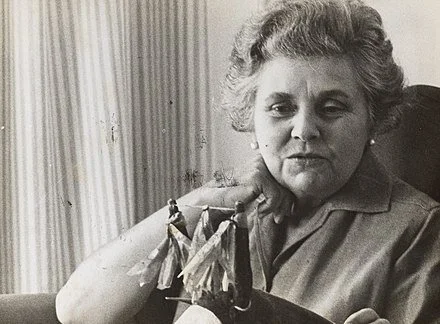
Elizabeth Bishop in 1964
“I think almost the last straw here though is the hairdresser, a nice big hearty Maine girl who asks me questions I don’t even know the answers to. She told me: 1, that my hair ‘don’t feel like hair at all.’ 2, I was turning gray practically ‘under her eyes.’ And when I’d said yes, I was an orphan, she said ‘Kind of awful, ain’t it, ploughing through life alone.’ So now I can’t walk downstairs in the morning or upstairs at night without feeling like I’m ploughing. There’s no place like New England.”
— Elizabeth Bishop (1911-1979, famed poet), in Words in Air: The Complete Correspondence Between Elizabeth Bishop and Robert Lowell (another famed poet)
Elizabeth Bishop
Can ruin your beach day
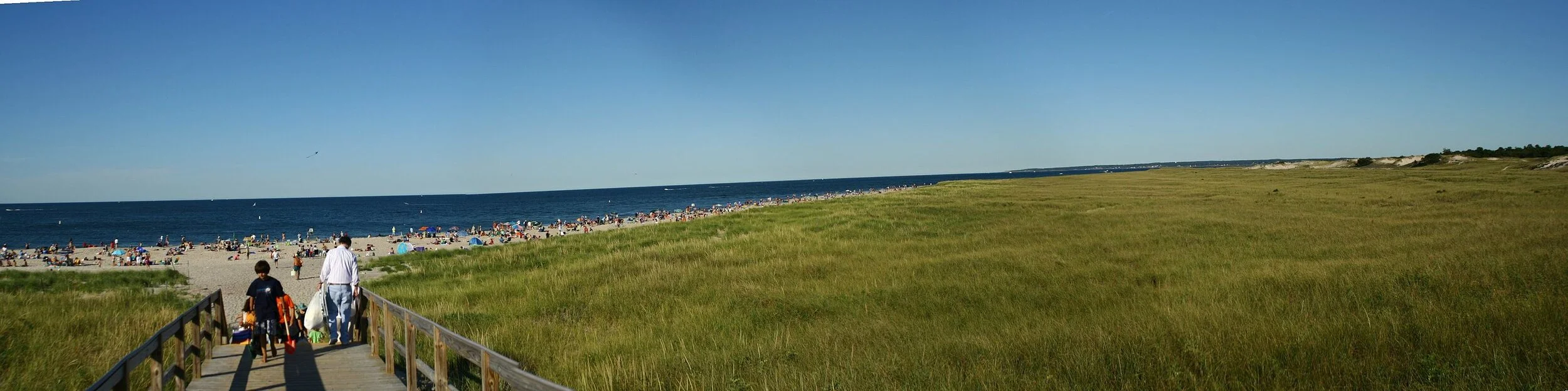
Heading for a picnic at Crane Beach, in Ipswich, Mass.
Photo by Thomas Steiner
“When faced with anything I loathe and fear
I try to grit my teeth and persevere,
But there’s one gritty thing I just can’t stand —
A sandwich that is halfway full of sand.’’
— From “Words Within Words,’’ by Richard Wilbur (1921-2017), New England-based poet
Subtropics move into New England

A Crepe myrtle. They’re moving into southern New England.

Japanese knotweed
From Robert Whitcomb’s “Digital Diary,’’ in GoLocal24.com
Because of Nantucket’s relative proximity to the Gulf Stream, people used to joke that you’d soon be able to grow palmettos there. Well, that might happen in the next couple of decades as man-made global warming accelerates.
I thought of that while reading an article in the July 27 New York Times entitled “Imagine Central Park as a Rainforest,’’ which described the proliferation of plants moving from the south into New York City, which, like Providence, the National Climate Assessment now places in the “humid subtropical zone,’’ a shift from its previous placement in the “humid continental zone.’’ The growing conditions are now similar to those in Maryland.
Such trees as crepe myrtles and magnolias have become common in New York City and southern New England, as are such invasive and warmth-loving plants as Japanese knotweed. I’ve noticed a host of new weeds cropping up in our little yard the past few years. Plants, including flowering trees, are blooming earlier and lawns tend to stay greener later in the fall. Unfortunately with the southern plants come southern insect pests that we must learn how to suppress without poisoning a lot of “good’’ plants and animals in the process. (By the way, I have found that cleaning vinegar (6 percent acidity) is a safe herbicide. Or you could stick with Roundup and give yourself cancer.)
None of this is to say that the “polar vortex’’ won’t briefly but memorably slam us in the winter from time to time, so it’s a little early to think we can put out palms year round. But the direction is clear.
So southern New England gardeners will have an increasingly exotic time of it.
Hit this link for The Times’s story.

'Nothing is isolated'

“Personalia’’ (oil on wood panel), by Mike Carroll, in his show “Hidden Forces at Play,’’ at Berta Walker Gallery, Provincetown, Aug. 15-Sept. 5. The gallery says: “Carroll paints stillness and subtle shifts in space in conversation. His multi-colored and ‘colored’ black and white paintings ‘embrace imperfection, impermanence and the passing of time.’ Mike Carroll's paintings reflect his sense that ‘nothing exists by itself independently of the rest. Everything is related to everything else; nothing is isolated, a philosophy of Buddhism’’’.
See:
https://galleryschoolhouse.com/mike-carroll/
http://www.bertawalkergallery.com/
David Warsh: Thoughts on the ‘failing New York Times’

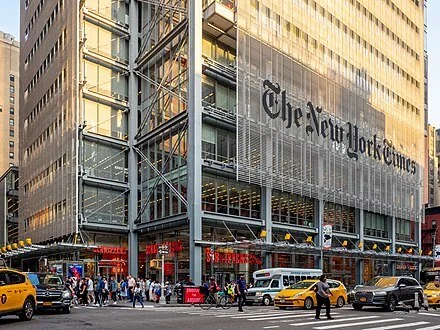
The New York Times Building at 620 Eighth Ave, New York
SOMERVILLE, Mass.
Very few chief executives leave office on as high a note as Mark Thompson, who announced last month that he would retire from The New York Times Co. at the end this month. Thomson took the job in 2012, amidst criticism for having failed to act decisively as director general of the BBC in the case of a long-time broadcast personality who had turned out to have been a long-time pedophile. But the NYT Co.’s board stuck by him, and in the nine years since Thompson has done for The New York Times what he had done previously for the BBC: transformed a stagnating legacy business into a thriving enterprise whose digital revenues are surging.
How? By signing up some 3 million digital subscribers at $15 a month – nine years without a price increase. A hike is finally in the works, Thompson told Ken Doctor of NiemanLab last year. Stand-alone Crossword and Cooking subscriptions add nearly a million more. The print edition of the Sunday Times, nearly 900,000, brings the total to 4.9 million. Meanwhile The Times is hoping so add another 5 million digital subscribers by 2025 at the higher rates.
Revenues were $2.1 billion the year before Thompson took over; they were 14 percent less last year, or $1.81 billion. Yet NYT Co.’s share price was $46.14 on Friday, up from $7.75 when he arrived. In those years The Times has added some 200 journalists to its payroll, bringing the newsroom total to around 1,700.
So much, then, for President Trump’s frequent references to “the failing New York Times.” Trump’s election and subsequent behavior have surely been the single biggest contributor to the growth in Times readership.
If there is a long-range risk to the company, it is that Thompson has thrown the tiller over too sharply. He told Jim Waterson, media editor of The Guardian, that success stemmed from shaking things up, hiring younger employees and adopting the attitudes of Silicon Valley: “Letting very young, junior people play with big dangerous things. It’s a long way from the way things are done in many newsrooms.”
The relationship between newspaper companies and their print editions was that of “the Titanic [to] an iceberg,” he continued. The New York Times would be one of the last print newspapers to go digital-only, Thompson told Waterson, but “it’s going to happen.”
Bancroft family heirs sold The Wall Street Journal to Rupert Murdoch’s News Corp. in 2007. Donald Graham sold The Washington Post to the family of Amazon founder Jeff Bezos in 2013. Pearson, the British conglomerate that had owned it since 1957, sold the Financial Times (and half of The Economist) to Nikkei, one of Japan’s oldest and largest media companies, in 2015. All three new owners have far deeper pockets than do the members of the Sulzberger family trust that controls The Times. All three companies sell subscriptions to their print editions for around half as much as the $1,200 annual rate of The Times.
Meredith Kopit Levien, the former Forbes magazine advertising executive who has been Thompson’s second-in-command for several years, will replace him in September. She urges Times journalists to stop referring to their employer as “the paper.” There is no similar term that rolls off the tongue to describe the thriving new digital media enterprises that are now part of the “mainstream media,” she acknowledges. They include giants Bloomberg and Reuters, such startups as Quartz, Vox and Axios, and such traditional broadcasters as the BBC or newspapers such as The Guardian.
Still, Levien told NiemanLab, “Something like three million people listen to The Daily [The Times‘s podcast] every day and something close to 5 million people open The Morning [an email version] every morning. [It’s] a newspaper in a different form.” What difference, if any, might the finite space budget of a printed newspaper page – the 240 square inches of a front page in particular – make to the various constituents of the world of mainstream news? That answer to that question will take many years to become clear.
Then again, maybe that $46 share price – more than 50 times last year’s earnings- per-share – means that The Times itself is half in play, expecting and fearing an offer from some computer-age mogul that could prove difficult for its controlling cousins to refuse. If so, Thompson won’t have been the first CEO to structure a company for sale via indirection. Either way, The Times today is anything but “failing.”
. xxx
Most economists who knew Harvard economist Emmanuel Farhi learned the cause of his death very quickly. But so painful was the death of the 41-year old theorist that it has yet to be recognized publicly as suicide anywhere but here. An extraordinarily sad business in any case, not susceptible to any easy explanation. That is what makes it so hard.
David Warsh, a veteran columnist and an economic historian, is proprietor of Somerville-based economicprincipals.com, where this column first ran.
Perfect for a year of Groundhog Days
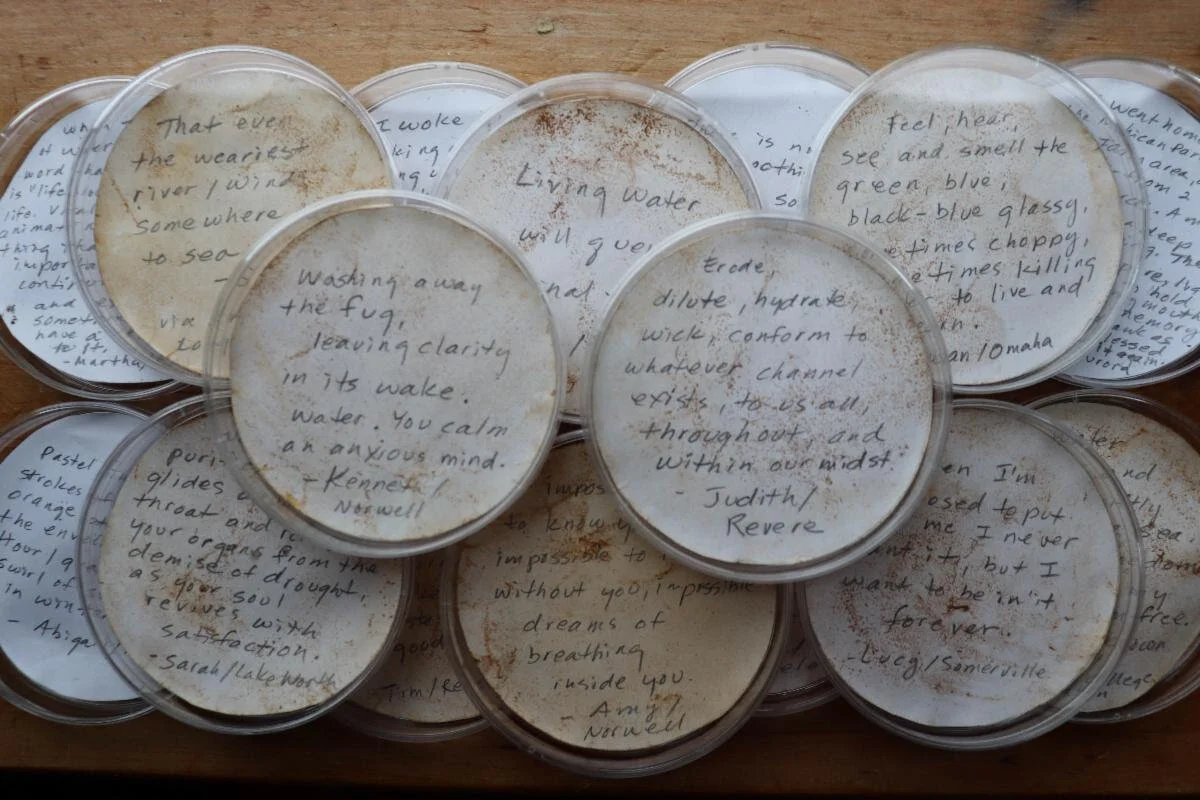
Work by Amy Kaczur in the group show “Repeat As Needed ,’’ at Kingston Gallery, Boston, through Aug. 23. The gallery says the show “presents questions explored through repetition. Each artist uses forms of reiteration to seek emergent variations that invite interpretation. Patterns, layering, movement, perspective, mark making, and color offer innovative visual solutions and the continued possibility of discovery.’’
See:
http://www.kingstongallery.com/
and:
www.amykaczur.com
Escaping the heat into high culture

Entrance to the museum, which is in St. Johnsbury, in Vermont’s “Northeast Kingdom.’’ The museum and the town are very interesting places.
“We climb the stone staircase
of the redstone Victorian building,
my father, my aunt, my husband carrying our baby,
escaping from the mid-July heat.
My mother is missing, dead one year.’’
— From “Fairbanks Museum and Planetarium,’’ by Jane Shore
Cold is good for you

“In the Boston area every summer there are a few days so unpleasant you feel like cursing everything in sight.’’
Haruki Murakami, Japanese writer and marathoner, in What I Talk About When I Talk About Running
xxx
“One reason a lot of use live here {in northern New England} is probably that surviving and flourishing in this climate is such a good, moral thing to do. It’s decadent to be warm all the time.’’
Willem Lange, in Tales from the Edge of the Woods
New Hampshire summer
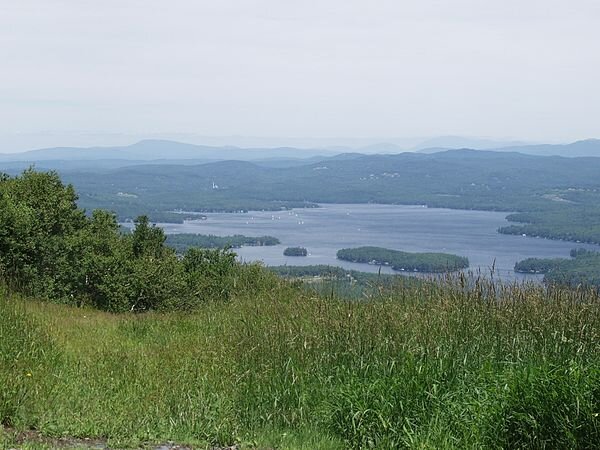
View of Lake Sunapee, in western New Hampshire
“….The mirth of dipping children as wakes of droning motorboats lap a lake.
Bluebirds have woven a love nest in a stilted, rough-hewn, wooden house.
By a stonewall wild berries grow swollen from green to a misty blue hue.
As we ride bikes beside a hayfield, we rouse the flight of a russet grouse….
We're in awe of honeyed summertime and the harmony of its resonance.’’
― From David B. Lentz’s Sonnets on the Common Man: New Hampshire Verse
Chris Powell: Corrosive, politically correct lawlessness on immigration
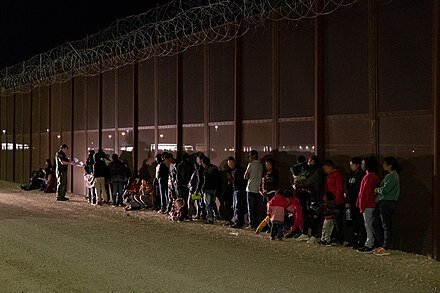
Illegal aliens at U.S. border
With his attempt to prevent the U.S. Census from counting illegal immigrants, President Trump has a fair point. Since the Census determines the decennial reapportionment of the U.S. House, its inclusion of illegal immigrants conveys greater representation on the areas in which they live even though they are not citizens, cannot vote, and shouldn't be there.
Counting illegal immigrants for reapportionment purposes creates a system like the one used during the era of slavery, when the U.S. Census credited states for three-fifths of their slave population even though slaves couldn't vote, transferring their political power to their enslavers. Slave states thereby gained advantage over free states in House representation.
Democrats in Connecticut and throughout the country want the census to count illegal immigrants because they concentrate in Democratic areas, which is why Republicans oppose counting them.
But fair as the president's point is, he's absolutely wrong on the law. For while the Constitution did not anticipate as much illegal immigration as the country has today, it requires that the Census count "the whole number of persons in each state, excluding Indians not taxed." The Constitution could have required counting only citizens, or counting everyone while excluding non-citizens from House district apportionment, but it didn't.
Maybe this was an oversight. But with the Fourth, Fifth, and Six Amendments in the Bill of Rights, the Constitution provides basic protections for citizens and non-citizens alike -- protections for "the people" and "persons," not just citizens
Since Trump is so wrong on the law here, states and cities are suing to block his order about the Census. Connecticut is one of the plaintiffs, brought into the case last week by state Atty. Gen. William Tong. But while Tong faulted the president for lawlessness, he overlooked the lawlessness right under his nose on the same issue.
For even as Connecticut joined the Census lawsuit, New Haven Mayor Justin Elicker announced that he is strengthening the city's protections for illegal immigrants, protections that forbid police and other city employees from cooperating with federal immigration authorities or asking people about their immigration status. While these policies are not themselves illegal like the president's census order, they are meant to obstruct and nullify federal immigration law, and they do.
Mayor Elicker said he wants New Haven to be a "welcoming city." That's a euphemism for admitting everyone no matter what, including fugitives from justice and foreigners who violate immigration law and even intend harm to the United States. New Haven's longstanding policy, reiterated by the mayor, is that anyone who breaks into the country and reaches New Haven should be above the law.
This is not just a policy of nullification, the practice of Southern secessionists before the Civil War and segregationist Southern governors who defied federal civil-rights law in the 1950s and '60s. It is also a policy of open borders and devaluation of citizenship, the dissolution of the country. Further, while the mayor is inviting more illegal immigrants to New Haven, his city is suffering an explosion of violent crime and social disintegration, with shootings and multiple drug overdoses practically every day along with the erosion of the school system.
Quite without more illegal immigrants, New Haven already can't take care of itself, and its legal residents may feel less welcome. The mayor's posturing about illegal immigrants doesn't improve life in the city. It's a politically correct distraction from decline.
Chris Powell is a columnist for the Journal Inquirer, in Manchester, Conn.

Llewellyn King: Using low radiation to fight inflammation in COVID-19, other ills
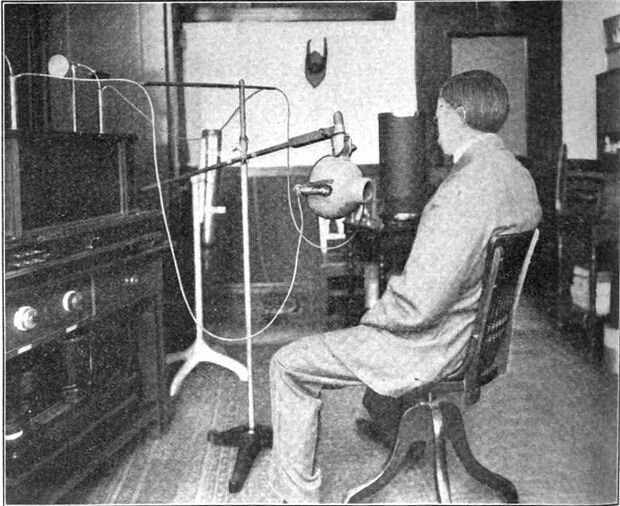
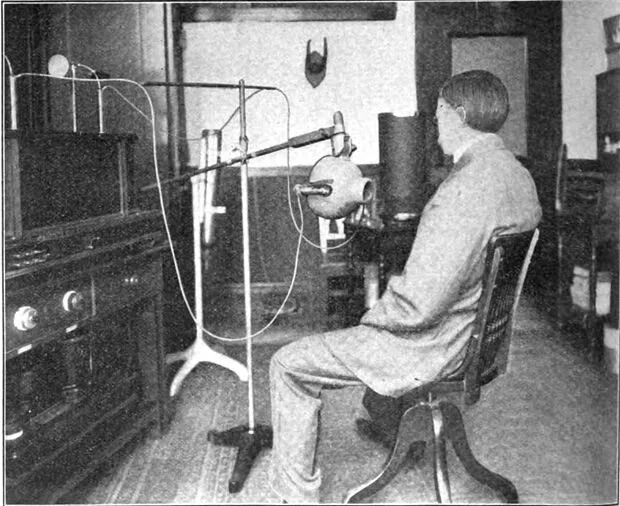
X-ray treatment of tuberculosis in 1910. Before the 1920s, the hazards of radiation were not understood, and it was used to treat a wide range of diseases.
A little boy was taken to the zoo in the New York City borough, where he was enthralled to ride Jalopy, a Galapagos tortoise. Jalopy became a favorite. But then one day the giant tortoise wasn’t there, and the little boy learned that she had cancer and had been taken to Arizona for radiation treatment.
“I had never heard of radiation,” said Dr. James S. Welsh, professor of radiation oncology at Loyola University Medical Center in Maywood, Ill. But his love of that tortoise was enough for him to devote his life to radiation therapy.
Now Welsh is in the vanguard of doctors who hope to save lives by using radiation as a therapy for patients with COVID-19 -- and possibly as a therapy for Alzheimer’s, arthritis and other diseases where inflammation plays a role.
Inflammation is present when the body’s immune system mobilizes to fight disease or injury. The problems come when the immune system, according Welsh and other doctors I have interviewed, goes “haywire.”
Radiation can’t cure COVID-19, Welsh explained, but it can be used to reduce the acute inflammation, known as cytokine storm. This causes a flooding of the lungs and is what kills most COVID-19 patients.
Using very low doses of radiation to fight respiratory inflammation isn’t new: It was how viral pneumonia was treated more than 75 years ago, before the perfecting of a battery of drugs which took over. Radiation was highly effective against viral pneumonia, with success rates recorded at 80 percent or better. Antibiotic drugs combined with growing public antipathy to radiation in all forms took it off the pneumonia therapy list.
But now it appears to be back-to-the-future time for radiation.
Welsh says that a patient about to enter acute respiratory distress syndrome (ARDS), which kills many COVID-19 patients, can be treated with low-dose radiation to clear the lungs. Afterward, the patient can return to the ward to get treatment with antiviral drugs. No ICU, no ventilator, no long-term scarring of the lungs.
“Radiation could be used with a drug like remdesevir or another drug, like steroids. But it is my opinion that radiation will prove superior to dexamethasone or other steroid medicines,” Welsh said in an interview with me on White House Chronicle, the PBS television program.
A few clinical trials of low-dose radiation therapy for COVID-19 have begun in the United States and six other countries, including Canada and the United Kingdom. “Although peer-reviewed results have yet to be published, preliminary data seem very encouraging, and certainly justify the siting of a proposed clinical trial here,” said Welsh, referring to the Hines Veterans Administration Hospital in Chicago, where he is the chief of radiation therapy. He hopes to launch a clinical trial there in weeks.
The radiation doses for COVID-19 treatment are extremely low. Welsh is planning to use .5 gray in his trial, but others use more, 1 gray or even 1.5 grays. Those are above X-ray doses, but well below cancer doses. Brain cancer and lung cancer patients get doses of 60 grays, with up to 80 grays for prostate cancer, Welsh said.
This doesn’t mean that there isn’t opposition.
Much of the concern over radiation is associated with the linear, no-threshold (LNT) model which posits that all radiation will have detrimental health effects even at minuscule levels, like normal background. This theory has been contested violently for decades by nuclear scientists, but it remains an undermining orthodoxy.
“Most people and physicians are not familiar with the potential application as an anti-inflammatory in infectious disease,” Welsh said.
Nonetheless, he believes that the future beckons. When I asked him about the use of radiation in other diseases where inflammation was a factor, particularly Alzheimer’s and arthritis, he responded, “A definitive ‘yes.’ ”
The beauty of radiation therapy, according Welsh and others I interviewed, is that about half the hospitals in the country have radiology departments and staff. Treatments for COVID-19 patients could begin almost immediately.
As to Jalopy, she died in 1983 at the age of 77. She was so popular over the 46 years she lived at the zoo that a bronze sculpture of a Galapagos tortoise was erected as a memorial.
And you might say, her memory radiates hope for the future.
Llewellyn King is executive producer and host of White House Chronicle, on PBS. His email is llewellynking1@gmail.com and he’s based in Rhode Island and Washington, D.C.