Vox clamantis in deserto




Robert Whitcomb: Ports, panhandlers, dictators in the Internet, Italo-American adventures
This first ran in my “Digital Diary’’ column in GoLocal, which appears every Thursday. I will usually make minor revisions/updates before the column runs here.
You may have read about the Panama Canal expansion, which will boost business for U.S. East Coast ports, including Quonset/Davisville and Providence. More volume in our local -- and for decades underused -- ports will mean more jobs, more business formation and lower consumer costs (for some products) hereabouts.
So a $20 million bond issue, to be on the state ballot in November, to expand the Port of Providence looks quite charming, as does a $50 million bond issue for expanding Quonset/Davisville.
But there’s a slight problem: GoLocal found out that ProvPort, the nonprofit operator of the Port of Providence, paid management fees to its sister for-profit company of more than $11 million over the three most recently reported years – half of ProvPort’s total revenue-- and it’s not clear for what.
Bill Brody and Ray Meador (who lives in California), two players in creating the Wyatt Detention Center, in Central Falls, and linked to its fiscal disaster, would benefit again from public financing if voters approve the bonds. Mr. Brody is a lawyer who is ProvPort's sole employee, at $225,000 year, and Mr. Meador is a co-owner and the manager of non-profit ProvPort's sister for-profit company, Waterson Terminal.
Presumably we’ll hear more about what those management fees cover and who and how certain individuals would benefit from the port’s expansion, in addition, of course, to the public.
The trouble with opaque operations like ProvPort is that the reality or perception of insider deals can kill such fine ideas as port expansion by pumping up the paralyzing cynicism that makes it so difficult to get big public projectsdone in the United States.
I’d feel better if the state took over the Port of Providence and coordinated it with the very well run Quonset/Davisville.
I should add, as my friend Chris Hunter reminds me, that there are several private terminals in the Port of Providence (Sprague Energy, Sims Metal Management, Motiva, Capitol Terminal and Exxon Mobile) that are very successful and don't need a port authority telling them what to do with their business.
XXX
Quite a panhandler proliferation in Providence! A favored site is in front of the Marriott Hotel on Orms Street at the intersection with Charles, where traffic lights trap drivers. At least one beggar, sometimes lying on his/her back to enjoy the sunshine, often occupies the thin median strip from morning to dusk.
The beggars seem to be well organized (sometimes with what seems to be an iPhone-armed manager) and able to extract money from many drivers. (I suspect that their take is not reported to the tax authorities but is adequate to pay for cigarettes.) Are many drivers sympathetic because they know that the panhandlers will never find jobs as lucrative as begging in these days of downward mobility, or just embarrassed? The beggars often greet me with a hearty “hihowareya!?”
XXX
Congress should block an Obama administration plan that would make it harder to try to protect freedom of expression on the Internet. The White House wants to let the Internet Corporation for Assigned Names and Numbers (ICANN) free itself from the U.S. oversight of the Internet it has had since the 1990s.
As The Wall Street Journal reports, the new arrangement would give dictatorships much more influence over the ICANN board by letting them them vote on bylaw changes and the ICANN budget and remove free-speech advocates from the board.
Commerce Department official Larry Stricklin, struggling to defend the plan, told The Washington Post, “At the end of the day, this whole system is built on trust.” Who will trust Vladimir Putin’s Russia and/or Xi Jinping’s China not to use their new powers to further quash online dissent?
XXX
Edward A. Carosi, founder of the Uncle Tony’s Pizza chain, has self-published a wild novel with the stately name of The Arrival/The Struggle/The Ascendency about three generations of Italo-Americans. Mr. Carosi starts the story in a poor hill town in Italy and goes through Rhode Island, Vietnam and Calcutta (Mother Teresa presiding!), weaving among romances and wars and corpses and entrepreneurs, including the mobster variety.
Some of the characters enter clichedom – the women tend to be gorgeous and curvaceous (the mammary lingers on), the men handsome except for some Raymond Patriarca types. Some characters start out bad and get predictably worse, but end up redeeming themselves. Others remain stock villains throughout while some stay implausibly good.
Mr. Carosi is not a professional writer, but he has narrative drive: You keep turning the pages. And he has a strong sense of place and 20th Century history that New Englanders in particular will savor. Somebody could turn this into saleable 120-page screenplay.
XXX
Donald Trump doesn’t seem to know that being president of the United States means being head of state and not just another politician. That suggests that at least some dignity and restraint is called for. Mr. Trump’s narcissism seems to preclude those qualities. Still, he could defeat the very able but, as is her husband, very greedy Hillary Clinton. The Brexit vote in Britain may suggest how close the presidential vote could be.
XXX
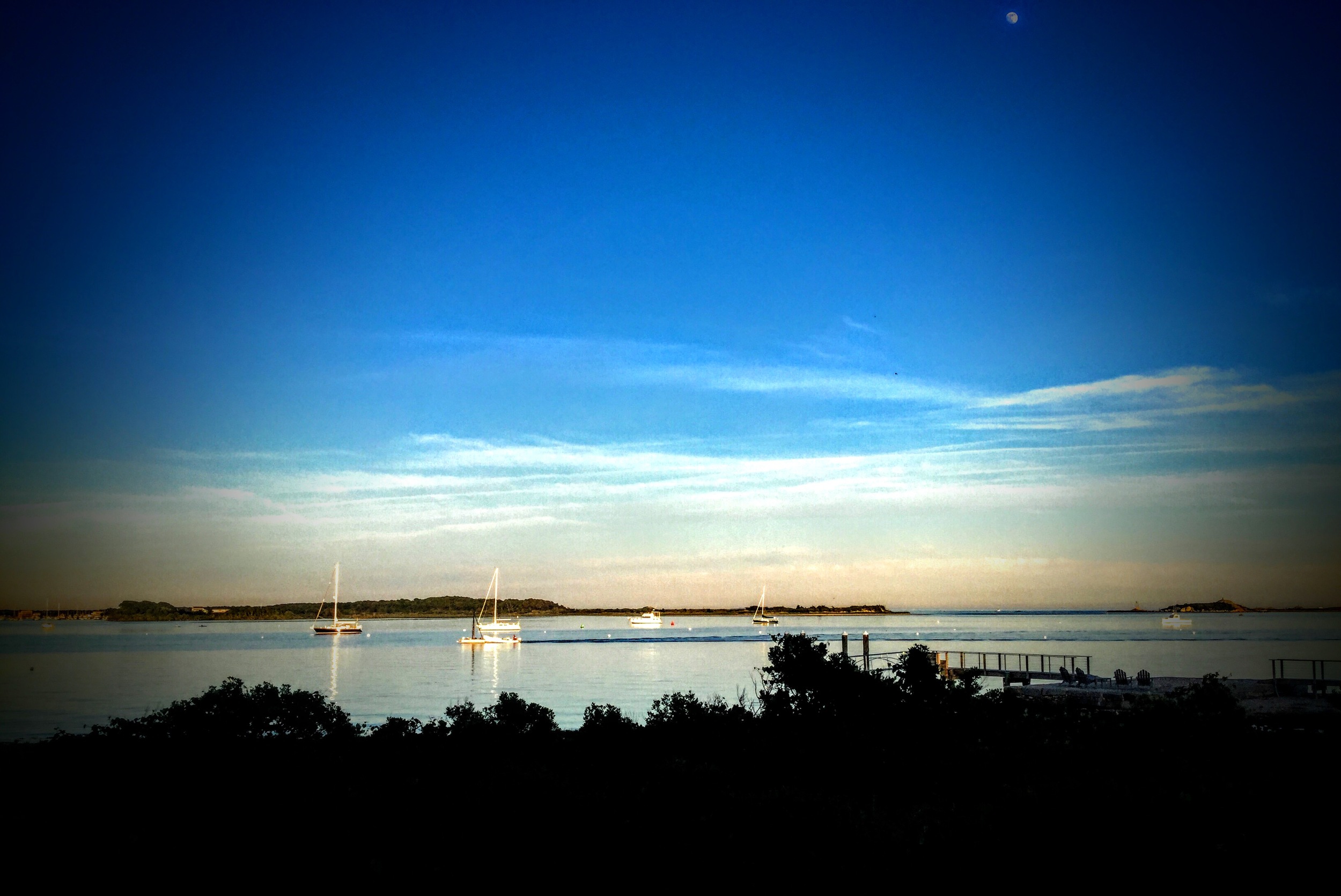
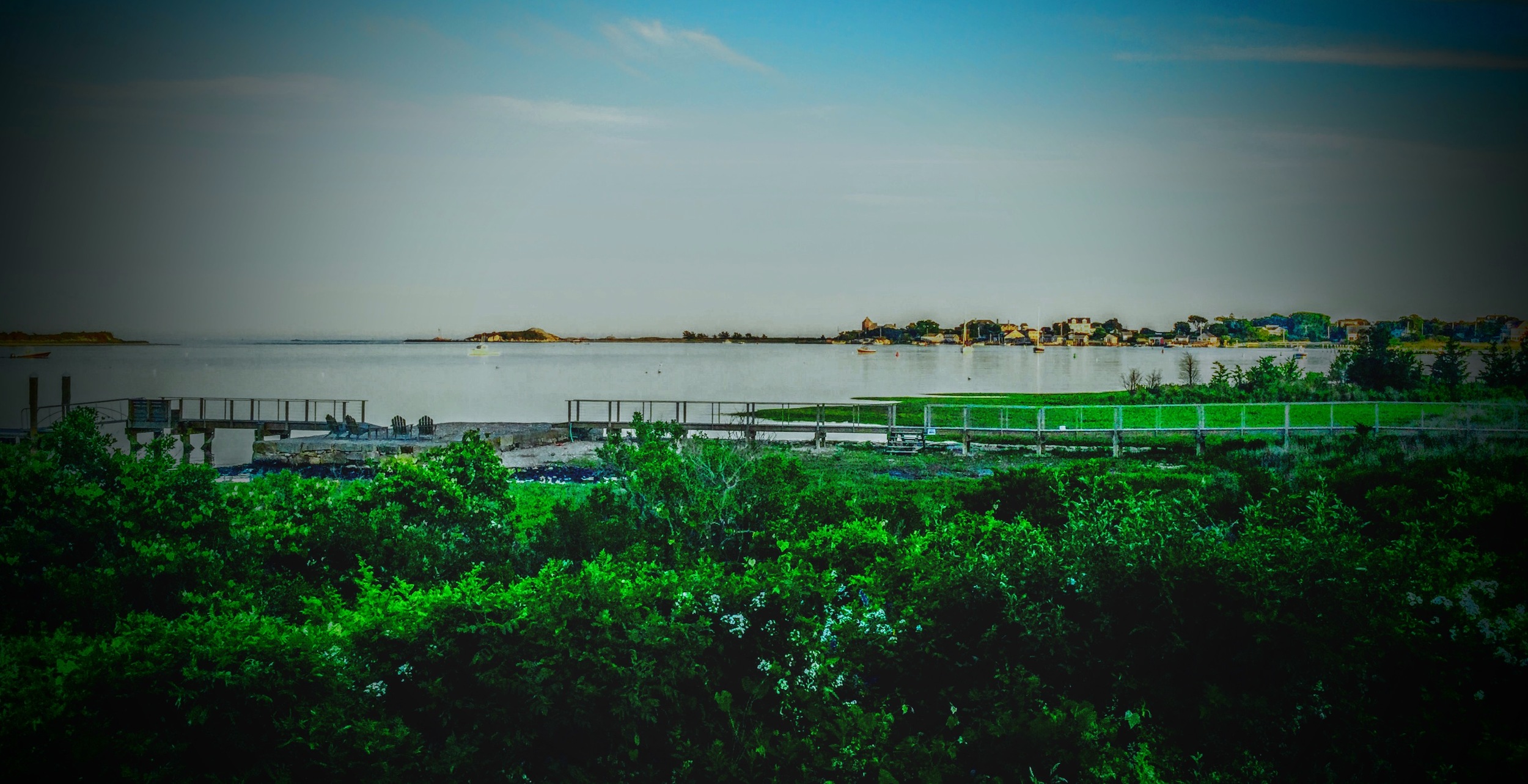
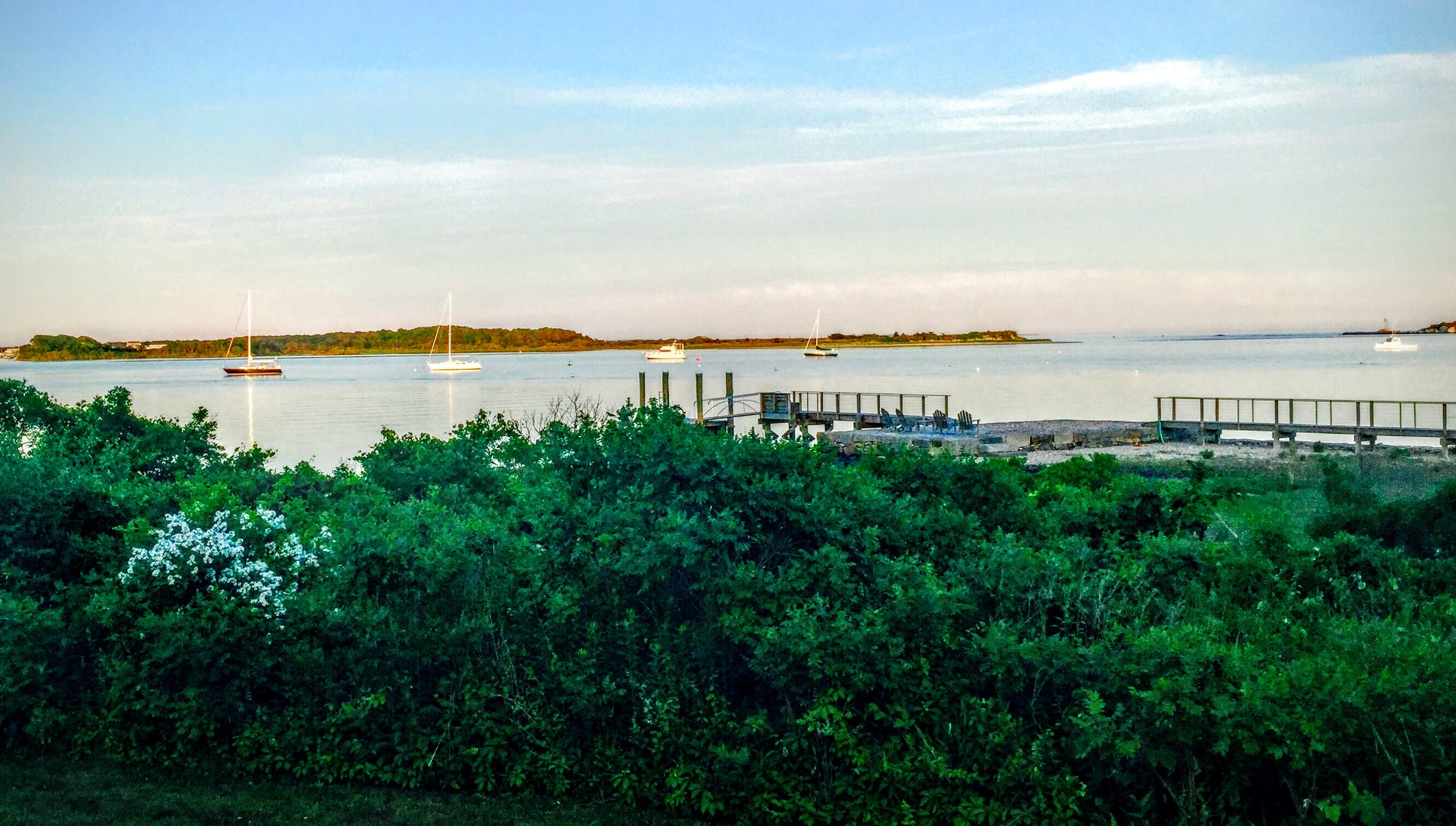
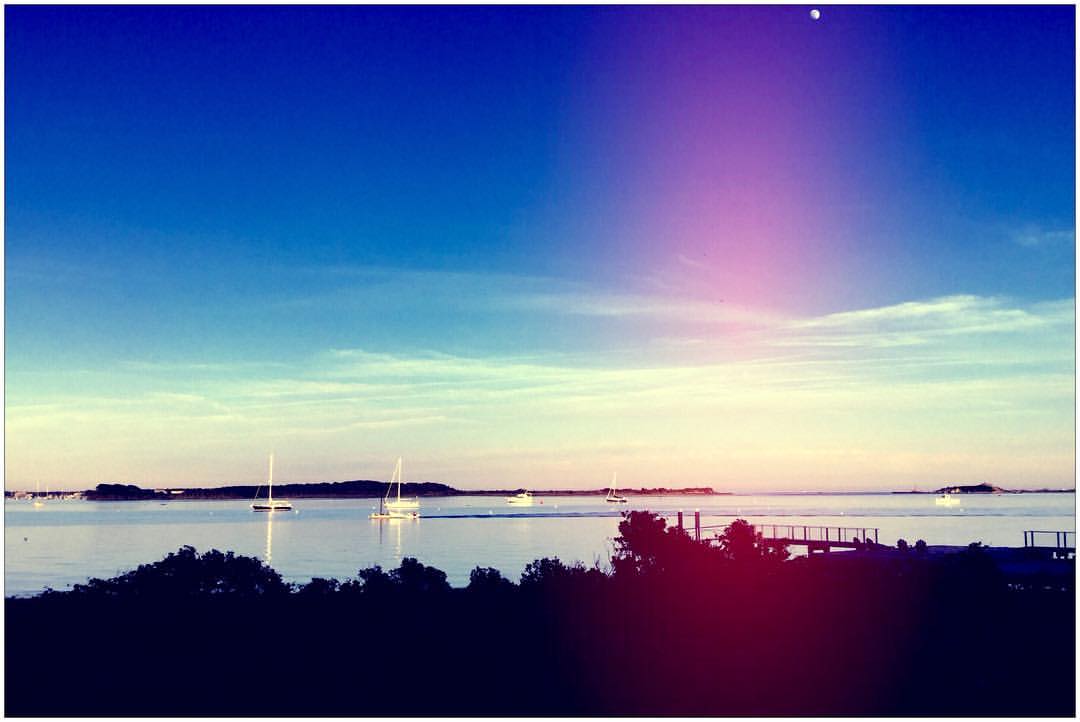
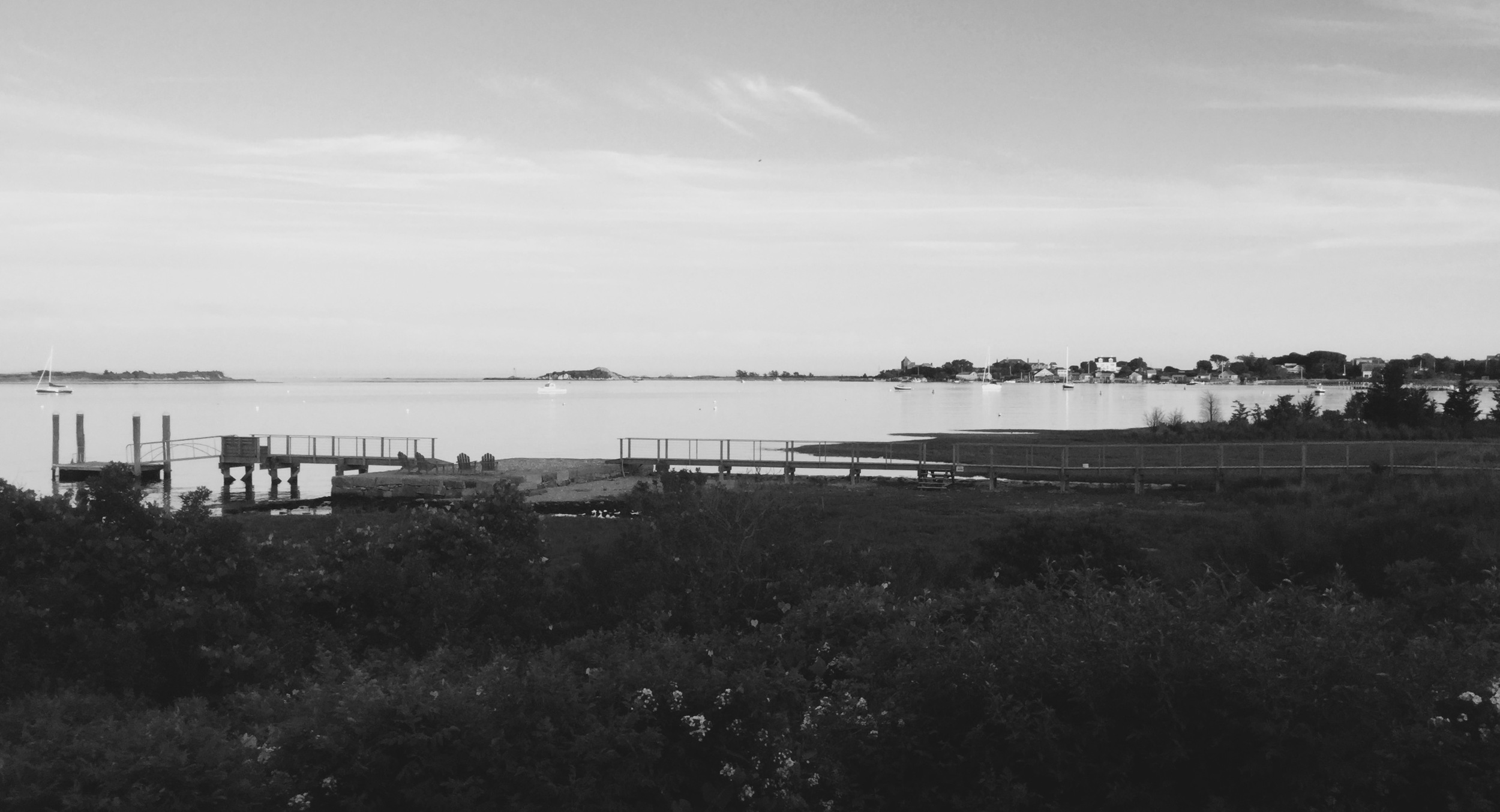
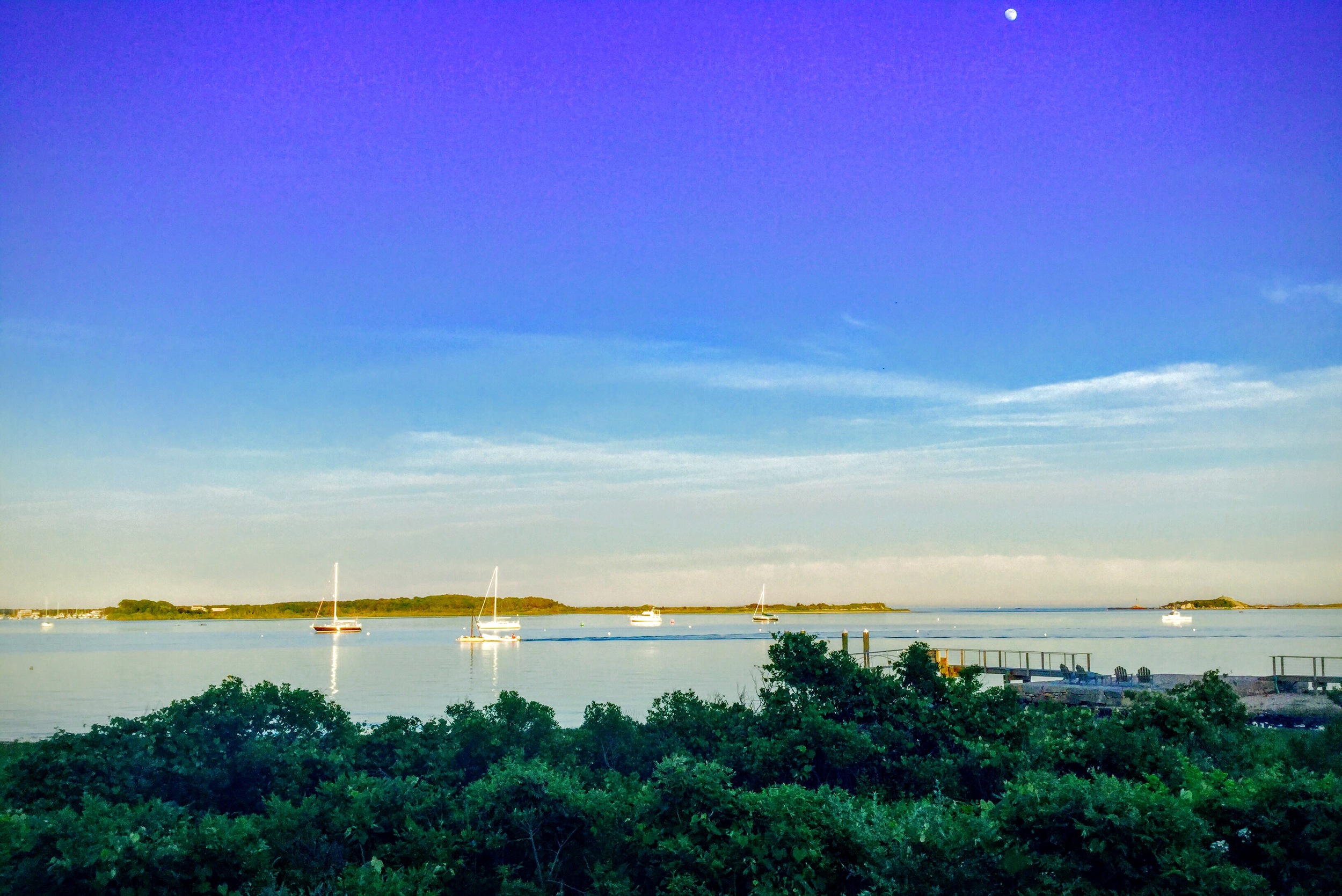
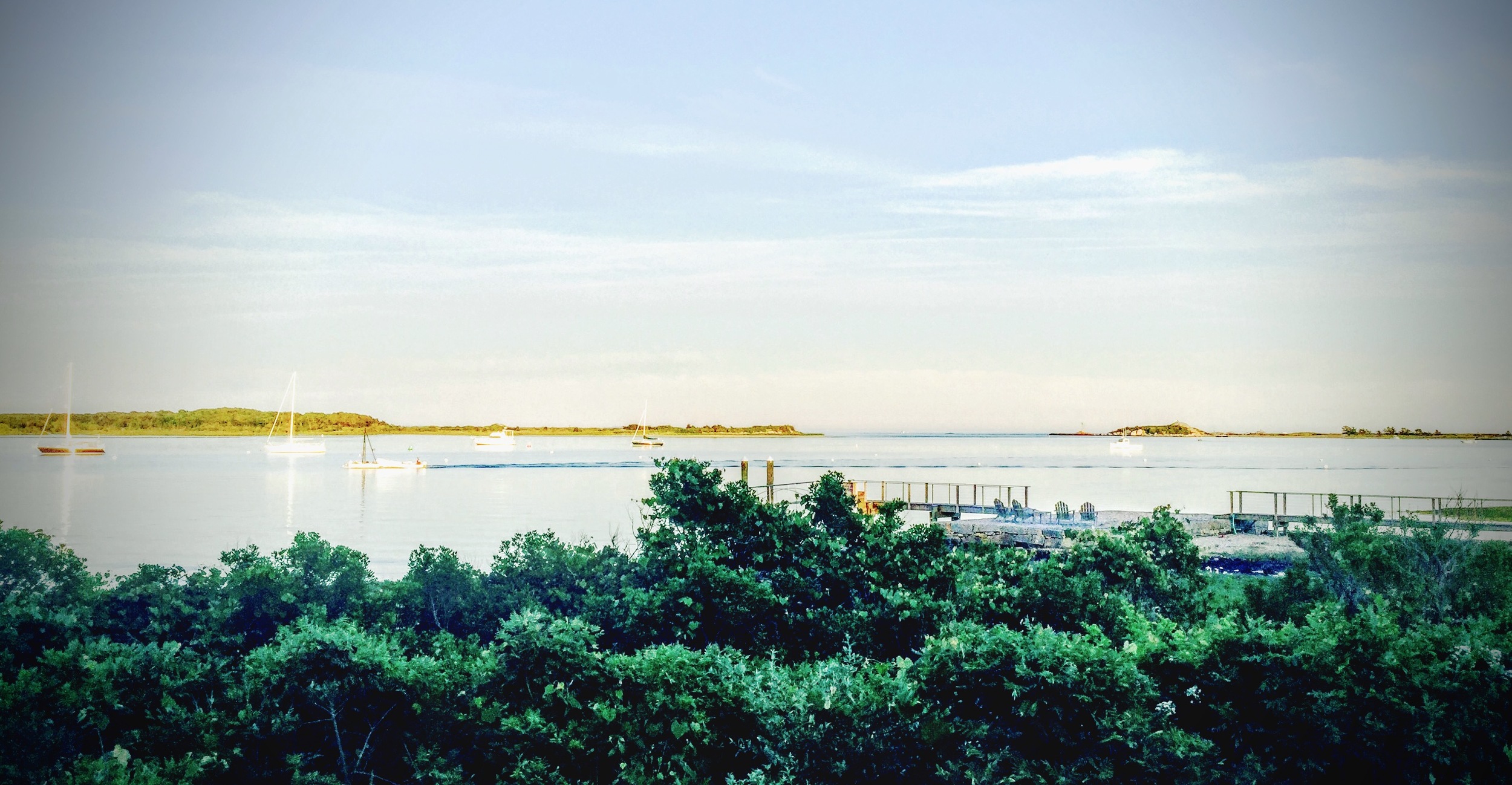
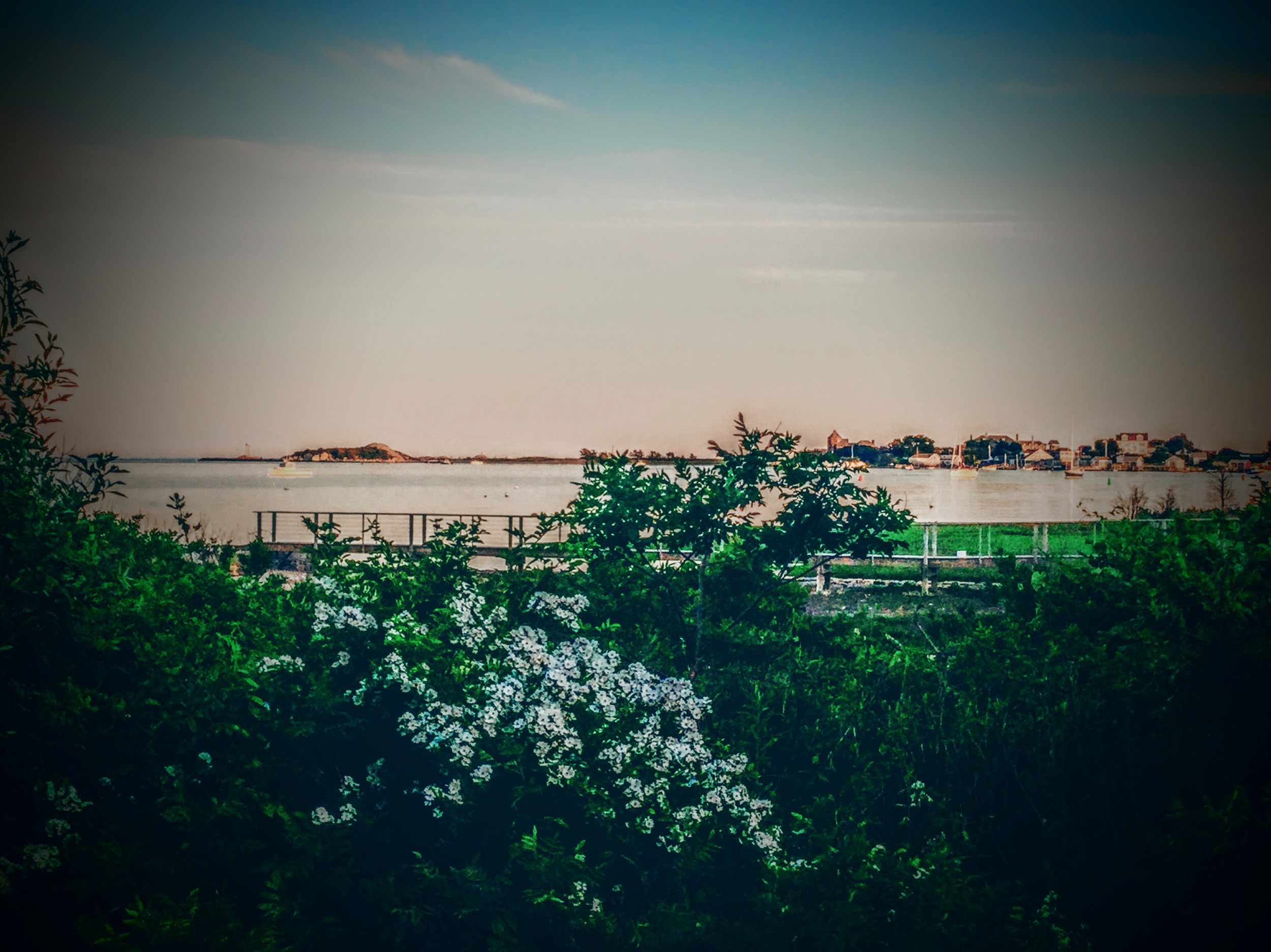
An evening last week was so cool that it reminded us of how soon September will come.
Robert Whitcomb is the overseer of New England Diary.
Happy hydraulics

"Mad Tom Brook'' (oil on canvas), by Mary Dorsey Brewster, in the current group show "Outside/In'' with Donato Beauchaine and Georgia Nassikas at the Providence Art Club.
Beautiful beast

--- Photo by Thomas Hook
This creature, resting on a milkweed leaf in Southbury, Conn., is a Candy-striped Leafhopper. Mr. Hook used a macro-lens to get this shot of this less-than-half-an-inch-long animal. Good things come in very small packages!
Note: We erroneously rendered it "Candy-stripped,'' in an earlier version. Apologies to Mr. Hook!
Llewellyn King: Blame stupid English nativism for E.U. vote debacle
The English appear to have laid down the burden of sanity. They have voted to leave the European Union.
It was never about Great Britain; it was always at its kernel about England. There was always a primal, nativist, historically seated English antipathy to Europe and by extension to the European project.
I should know. You could say I was there in the beginning.
Way back in the early 1960s, as a young journalist, I worked for Lord Beaverbrook, the Canadian-born newspaper publisher who led the early fight against the European Economic Community, also called the Common Market. There were then, in 1962 and 1963, just six members and the rival outfit, the European Free Trade Area had seven.
I believed that when Britain finally joined what is now the European Union in 1973 that a decade earlier we had been wrong. And I believe that leaving the European Union today is terribly wrong, a ghastly self-inflicted wound that will hasten the end of the United Kingdom, encourage a surge in right-wing bigotry in Europe, and leave no one -- not one individual in any country of Europe -- better off, particularly the residents of England, Scotland, Wales and Northern Ireland.
In the wreckage that now has to be sorted out across the Atlantic, two lessons stand out: first, referendums have no place in a representative democracy and second, today's political parties, across the world, no longer represent the feelings of their electorates. In Britain, as in America, and most recently in Italy, it is now apparent that the old left-right divide does not address a smoldering anger that affects the democracies of the world.
Give angry people something to smash and they will smash it. The angry English have just smashed up the place where they live. It is ineffably sad for those who have followed Europe’s attempt to come together, to boost trade, and to end war in on the continent.
During the long and campaign leading to Thursday’s vote, every shibboleth about sovereignty, faceless bureaucrats, money transfers and European skullduggery was trotted out.
When the facts do not fit, harken back to another time: That is easy enough to do in England with its storied history. They never said it, but the triumphant Leave campaign implied every day in every way: We’ll make England great again. Donald Trump could have ghosted the Leave campaign.
When Britain joined the Common Market in 1973, the country was often referred to as the sick man of Europe. Today, Britain is the world’s fifth-largest economy and it has been the strongest advocate for free markets and free trade in Europe. Not only will Britain be setting a new course, but so will the European Union.
Europe, including Britain, has a massive migration problem that fed the anxieties of the English, particularly in the depressed north of the country. But Europe has yet another problem that will not go away: The euro has failed. Britain wisely never adopted it, but the 19 countries of the Eurozone are paying a high price. Weak economies on the southern flank of Europe, most notably Greece, cannot devalue to make their goods and services more salable and the strong economies, most importantly Germany, are the beneficiaries of a weak euro in their exports.
The British vote will spur reforms in Europe and if they are not fast enough and far enough-reaching, the European Union itself will break apart. Italy is an early candidate to bolt, but so are its southern neighbors.
It is not Europe as a free-trade area they should be trying to escape, but rather its benighted currency. Consider: If the euro was fazed out and the old currencies were to reappear, Germany would have an increasingly hard currency, the mark, and Italy and Greece, with the lira and the drachma, would produce goods and services that were very affordable to their customers.
But that is not Britain’s problem. It has to find new markets and a way of living with the strictures of European trade without a voice in the writing of those strictures.
Political folly has led Britain to be lesser. “Little England” and Little Englanders always have been pejoratives in British political invective. Today the Little Englanders are triumphant, having chosen insignificance and poverty over importance and wealth. Shame.
The British (read English) electorate has signed on to a dream. The nightmare begins now.
Llewellyn King, host and executive producer of White House Chronicle on PBS, is a longtime publisher, columnist and international business consultant. This piece first ran on Inside Sources.
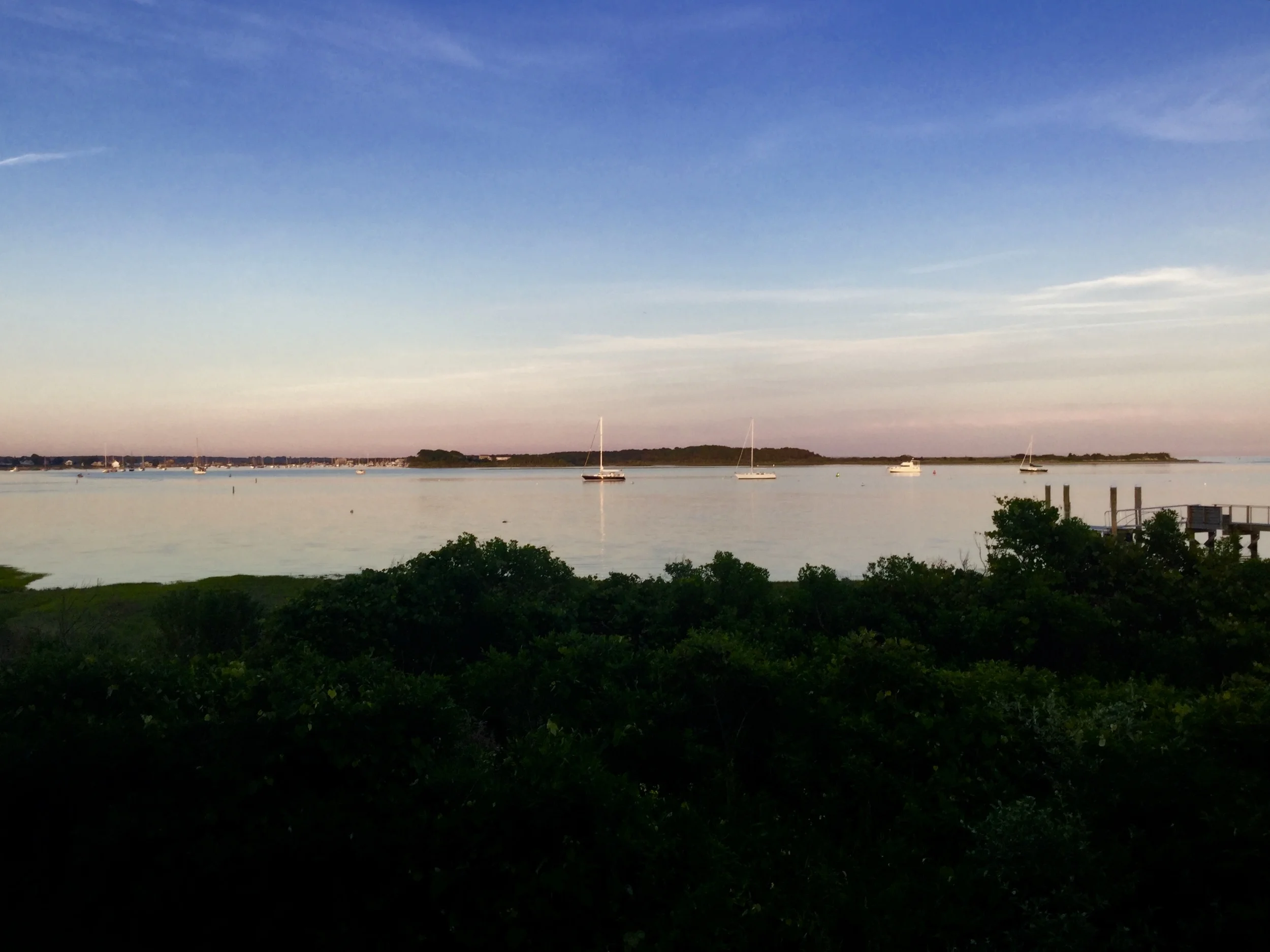
Seasonal sadism
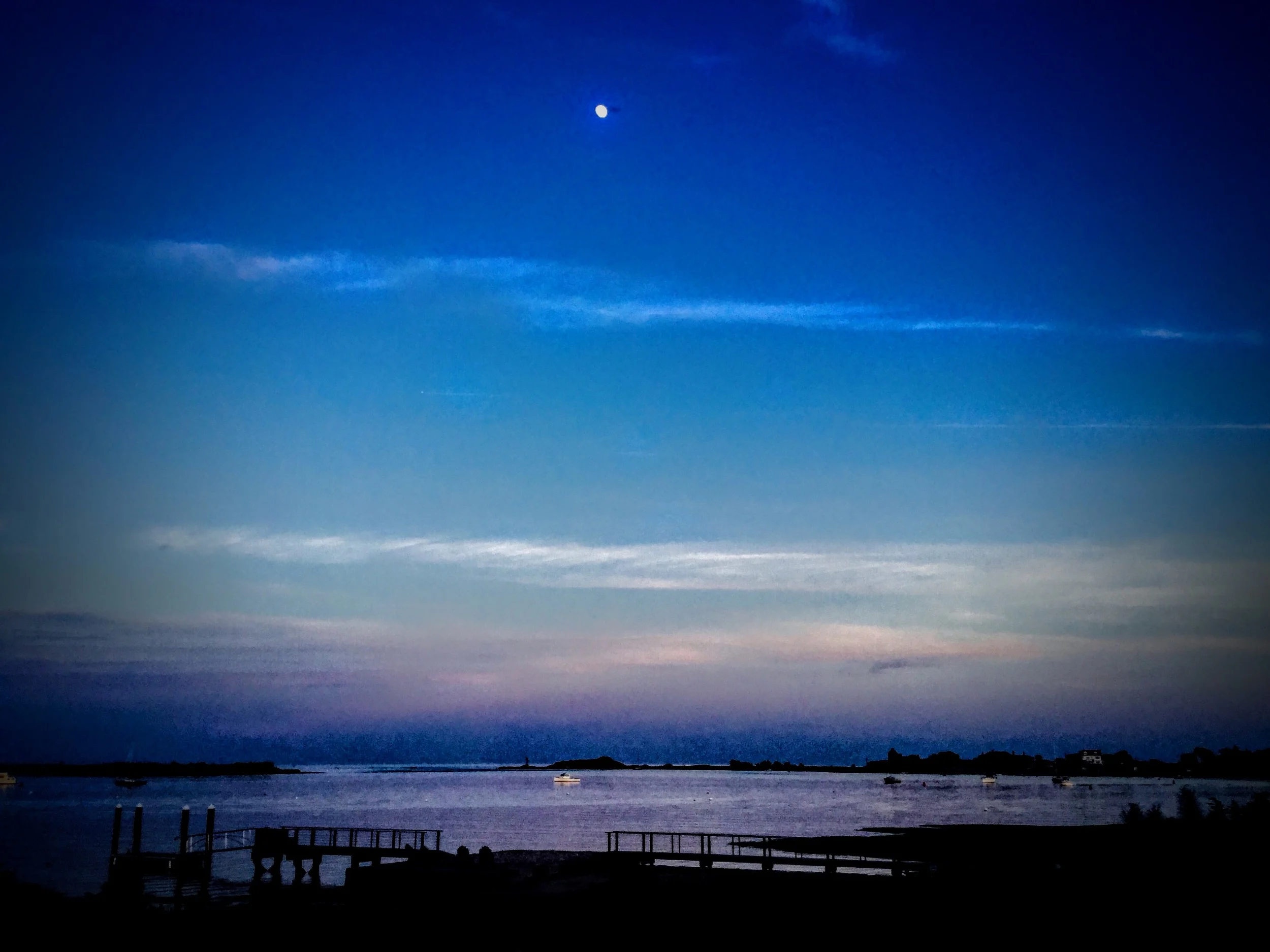
Photo by Lydia Davison Whitcomb
It’s a cruel season that makes you get ready for bed while it’s light out.
--- Bill Watterson
Only if you are

"Blue Trees'' (oil on canvas), by Milton Avery (1885-1965), in the show "Milton Avery's Vermont,'' July 2-Nov. 7 at the Bennington (Vt.) Museum. Property of the Neuberger Museum of Art.
This was one of the paintings of the famous modernist Mr. Avery based on his summers in southern Vermont in 1935-1943 and showing his response to the gorgeous Vermont landscape.
Cyberterrorism: Will Russia, China and/or ISIS turn off our electrical power?
We just got this press release about an important conference on Newport.
Two of the best-known publishers of energy newsletters, Sam Spencer, who publishes Smart Grid Today and Power Markets Today and Llewellyn King, who founded The Energy Daily and produces and hosts White House Chronicle, on PBS, are teaming up with the Pell Center at Salve Regina University on a comprehensive conference on cybersecurity in the utility industry.
“Grid cybersecurity is one of the critical frontiers in the security of the U.S. infrastructure system,” King said.
The conference will be held Sept. 26-29, 2016 at Salve Regina University in Newport. “In this scholarly setting the industry can learn best practices; cybersecurity vendors and others can get down to granular issues that aren’t easily discussed in the office setting,” Spencer said.
The “Newport Conference” will bring together utility IT officers, managers, first responder teams as well as vendors of firewalls, alarms and other security systems for utilities.
“The utility industry is undergoing great changes in its structure. It is being reshaped by disruptive technologies, environmental pressures and social expectations.
“More and more, the old grid is giving way to the new grid in a sophisticated, computer-dominated world where the enemy could be in any line of code, any weak link in the industry,” Spencer said.
King added: “The first goal of modern warfare is to take out the electrical supply, and the rest follows from there. As a result, those who wish to do harm to a country — and to the United States, in particular — are aware that without electricity, a great nation is paralyzed.”
He said that he saw the precursor to this kind of havoc back in 1965, when most of the Northeast went dark. That was incredible but today, with more reliance on electricity throughout the life of the nation, things would be even worse.
King and Spencer said enemies, both state and non-state (like ISIS), are hard at work probing our cyber-defenses, seeking weakness and waiting to strike.
“We want to advance the understanding of the threat as well as to ensure that the best practices in cybersecurity are being followed as the grid itself changes into something new and even more electronically interconnected than in the past,” they said.
For sponsorship and registration information, please contact Llewellyn King at 1-202-662-9731 or 1-202-441-2702, or e-mail him at llewellynking1@gmail.com.
Connecticut's river queen
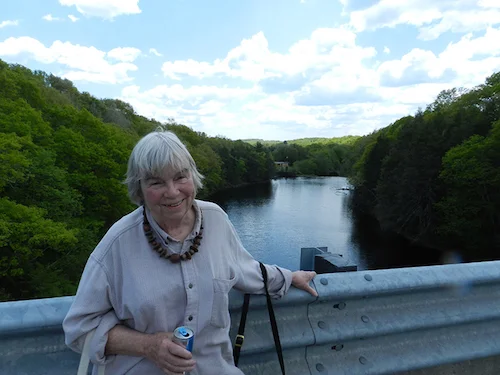
Margaret Miner; photo by Judee Burr/ecoRI News
By JUDEE BURR, for ecoRI News
ecori.org
Margaret Miner stood in front of a mountain of gravel next to the Mossup River in eastern Connecticut. We approached the edge of the hard-hat area and peered up at a big, yellow excavator using its mechanical arm to shift mounds of sand around the sprawling industrial site.
Miner felt sure that this was the site she had been asked to investigate; it would be very concerning if there was more than one of these along the Mossup River, she said. We walked toward the middle of the bridge to get a closer look at the river’s exposure to the project and looked for any waste spilling in.
Miner directs the Rivers Alliance of Connecticut. She finds out about the state’s impaired waters from phone calls and e-mails: trout struggling to get over a dam; a river running unusually dry; a construction project sending pollution into a waterway.
The Rivers Alliance acts as an environmental “helpline,” responding to calls from concerned citizens by investigating. Miner knows how to ask municipal officials pointed questions and rally her environmental allies when necessary.
“Even if it’s just one person, we will try to help them,” she said. “Anytime I get a call ... in six months, two to three calls on the same issue — like gravel mining next to the river — it’s a policy issue. It always turns out to be at least a state policy issue and frequently a global issue.”
For all the work and hours put in helping to protect Connecticut’s environment, the Environmental Protection Agency (EPA) recently awarded Miner with its Lifetime Merit award. Sen. Chris Murphy, D-Conn., nominated Miner for the award, calling her a “champion of the planet,” as quoted in the EPA press release announcing the honor.
Miner hasn’t used the award as an excuse to slow down.
“When I got this EPA award, I was sitting there — there were lots of awardees — and I was thinking, ‘If we’re all doing such great work, how come India has just recorded 120 (degrees)? We’re sitting here applauding each other; we should be out picketing or something!” she said, with a mix of frustration and laughter.
“Of course, it’s good to applaud each other,” she admitted. But her voice and smile convey her restlessness and commitment. She approaches her work with the thoughtfulness of a former writer and the practiced bullheadedness of an advocate who knows how many fights she has left to win. She bemoans the state we have left our planet in, while doggedly taking steps to improve and protect Connecticut’s natural resources.
Miner has worked with the Rivers Alliance since 1999. The organization’s small team, of which Miner is the sole full-time staffer, partners with a strong coalition of conservation groups that its leader has expertly leveraged to win environmental fights on the state and local level.
Sometimes this coalition works to improve state water policy, such as the campaign for stricter regulation of withdrawals from Connecticut’s rivers. Miner noted that most of Connecticut’s problems with water diversions from rivers are caused by large water users with grandfathered-in rights to the water. Although she has been working on this issue for more than a decade, there was still some incredulity in Miner’s voice as she described the disconnect between the law and the science of waterways.
“If you have a registration that dates back to 1982, you say, ‘Well, we’re allowed, we registered and we can take this much water.’ It doesn’t matter even if there isn’t that much water there,” she said. “The person who holds the registration — usually a utility, but it could be a golf course or a farmer — can just keep pumping. And the river runs dry, then they have to stop.”
The Rivers Alliance is still working to improve Connecticut’s water policy. The organization was one of the groups that advocated for comprehensive statewide water planning — a process Connecticut eventually initiated in 2014. The alliance also helped pass stronger stream-flow regulations in 2005, despite opposition from municipalities and utilities.
Among its latest projects is a campaign to better protect Long Island Sound, being conducted in partnership with other state environmental organizations.
Miner’s two children have followed in her footsteps. Her son runs a diving school in Indonesia, and her daughter is the executive director of the Weantinoge Heritage Land Trust, Connecticut’s largest.
“No,” Miner said without hesitation when asked whether she raised her children to be in the environmental field. “I wasn’t in the field.”
Indeed, Miner took an indirect route to becoming an environmental leader. She studied philosophy and worked as an editor and then local reporter. She was raised in New York City and Brooklyn, N.Y., but her family frequently escaped the city to a house her father built beside a swath of farmland in Kent. She eventually moved to Connecticut, where she transitioned from local reporting to heading the Roxbury Land Trust, before moving to the Rivers Alliance.
“I think that probably was it,” Miner said, when asked whether visiting Connecticut as a child was the spark for her environmental awareness and involvement. “When I was a kid, we used to spend a lot of time just walking around in the woods and fields and climbing trees and looking for animals. I developed, I guess, an affection for the natural world of western Connecticut.
“Although, I find it hard to imagine that anyone in this state wouldn’t be sensitive to what’s happening — frankly, in the world — that wouldn’t be sensitive to what’s happening to our poor planet Earth.”
Gloucester urged to promote underused fish to boost its economy
From ecoRI news
GLOUCESTER, Mass.
Environmental Protection Agency regional administrator Curt Spalding visited the city June 15 to applaud the commencement of a workshop to help the North Shore community promote the use of underused fish species as a way to support the local economy, address food insecurity and help revitalize downtown.
The workshop is being conducted as part of the White House Rural Council’s effort to promote “Local Foods, Local Places” — a federal initiative that helps communities increase economic opportunities for local food producers and related businesses and improves access to healthy local food.
Gloucester is one of 27 communities in 22 states that has been selected to participate in the program, and is the only New England municipality selected. More than 300 applicants were received.
“By working together to bring healthy local food to market, we can ensure we are making the right decisions for our environment, for public health and for our economy,” Spalding said.
The workshop started with a public meeting at the Gloucester House Restaurant on June 15, and continued June 16 with a planning session at City Hall. Gloucester will next receive a “Next Steps” report that describes options for actions the city and its partners can take to support a healthier and stronger Gloucester through local food and community planning strategies.
Heavy weather coming

"Beneath Sky'' (marble), by Michael Kukla, in the show (with Rebecca Hutchinson) "Instinctive Formation,'' at Dedee Shattuck Gallery, Westport, Mass.
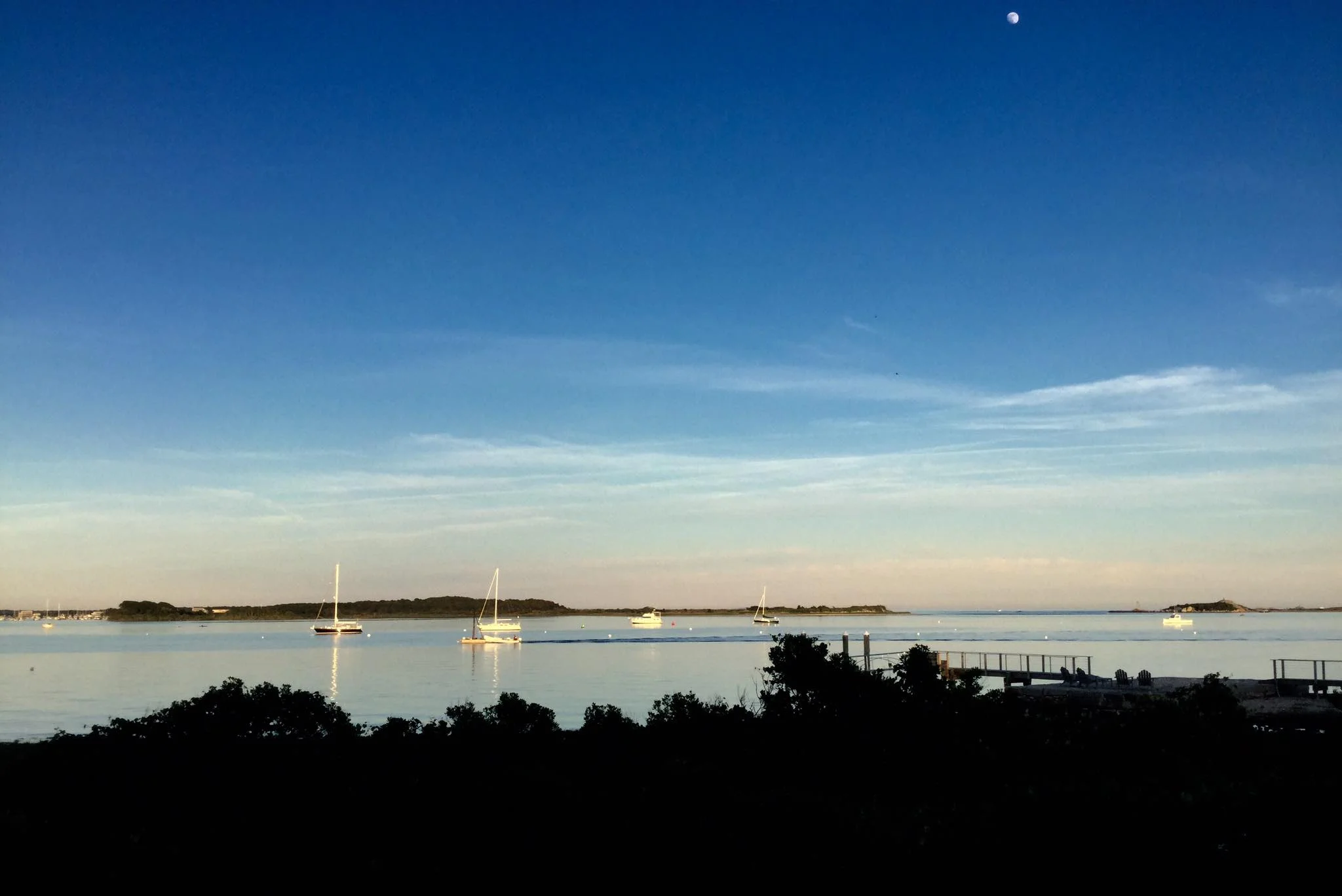
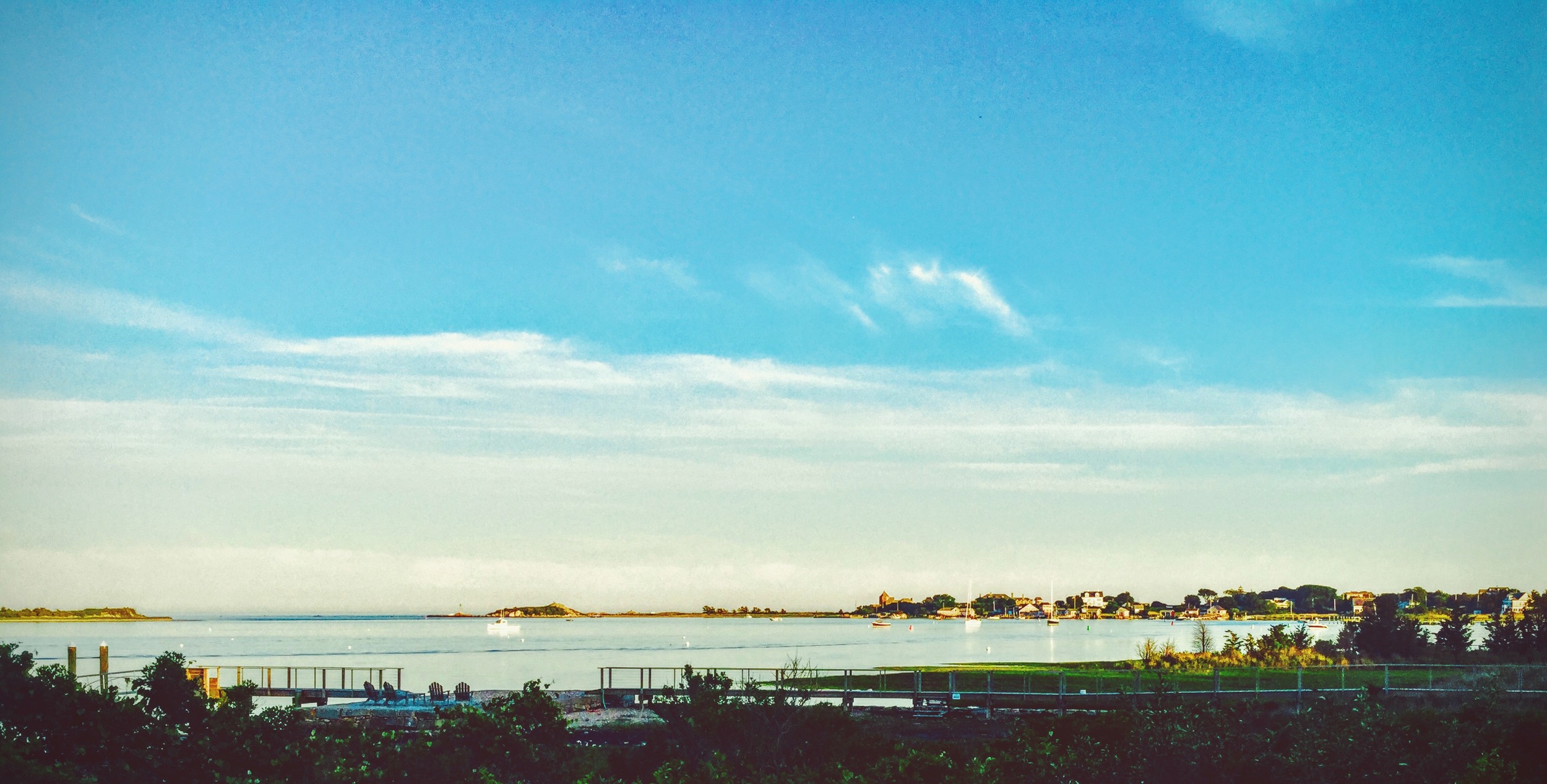
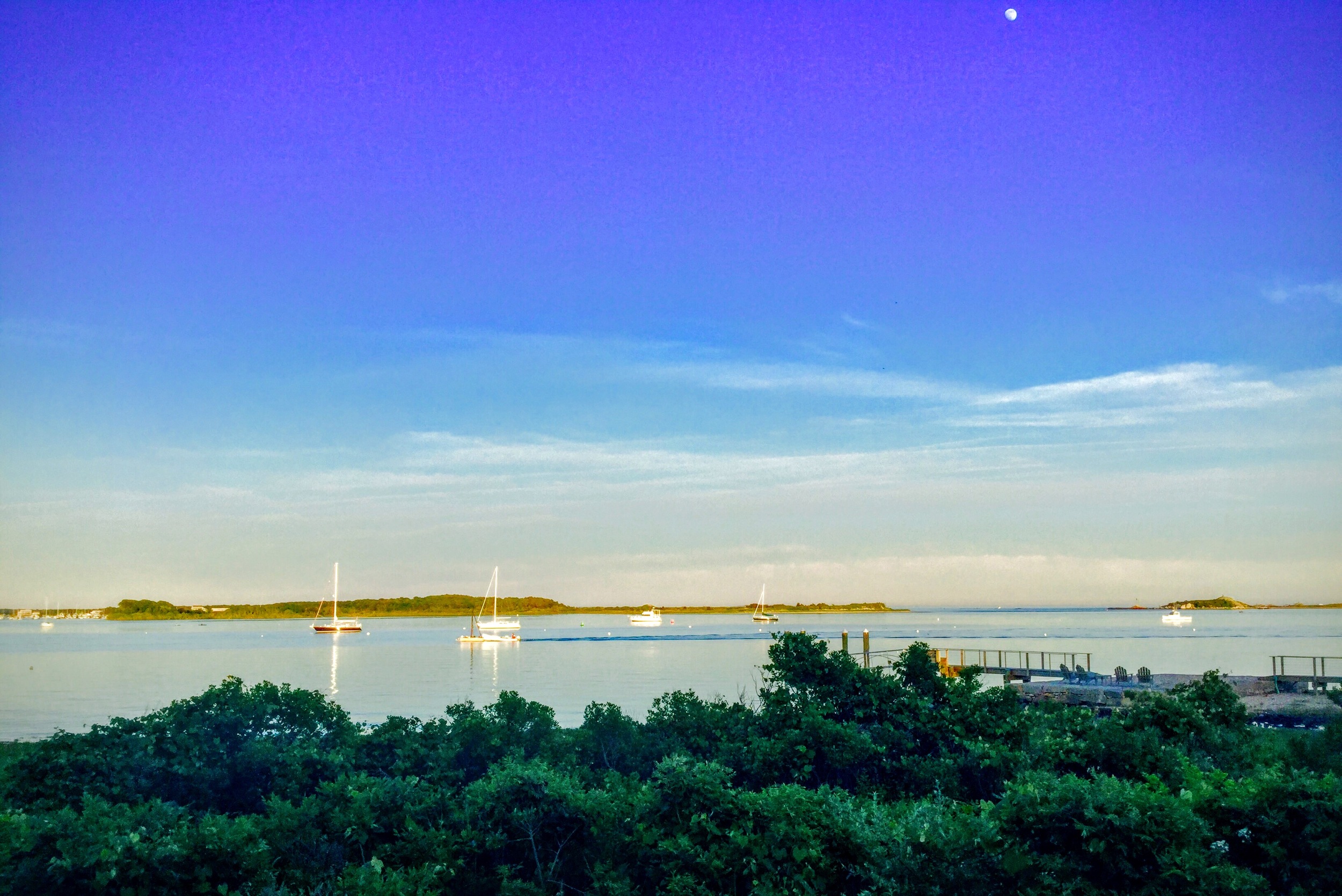
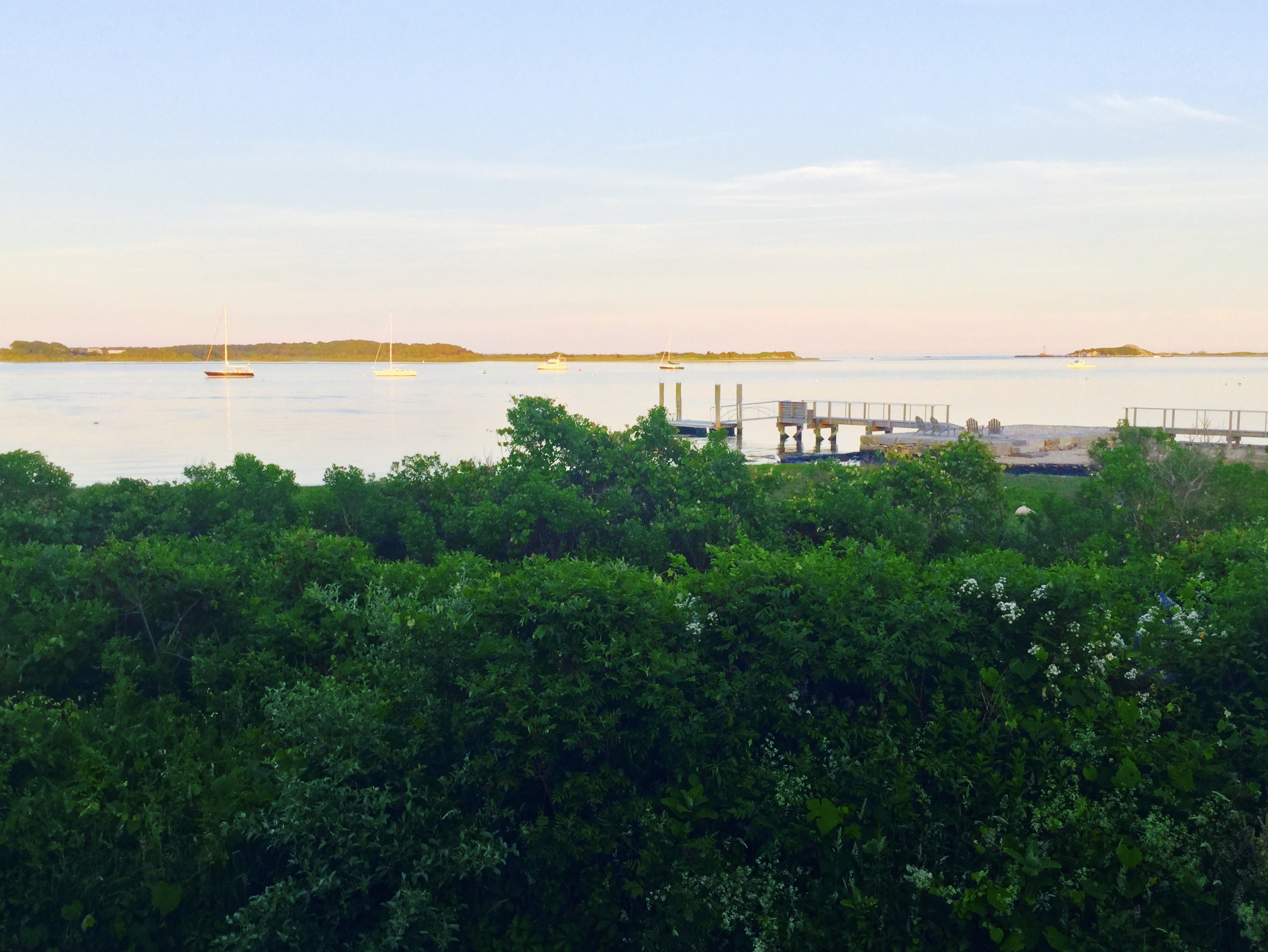
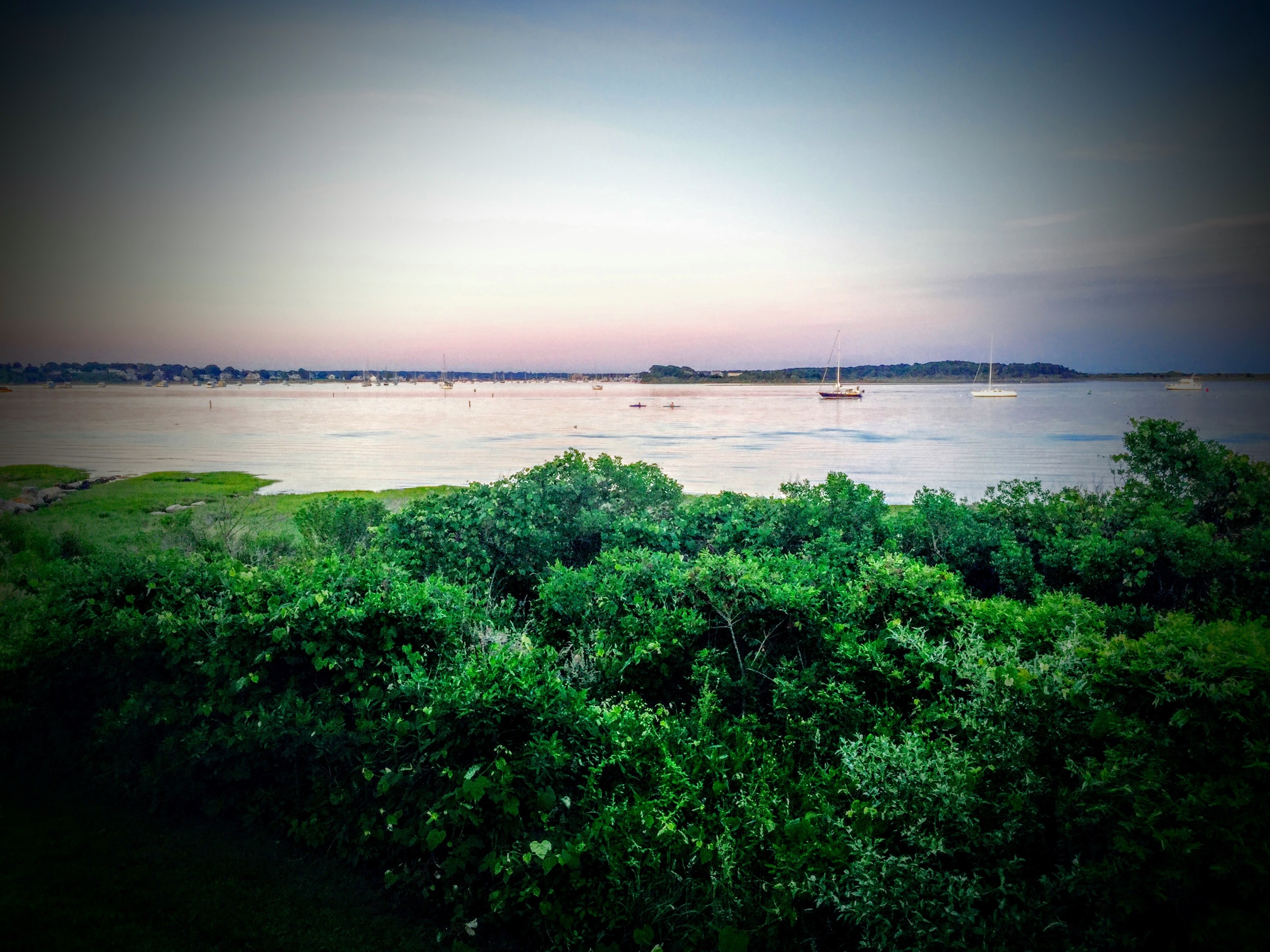
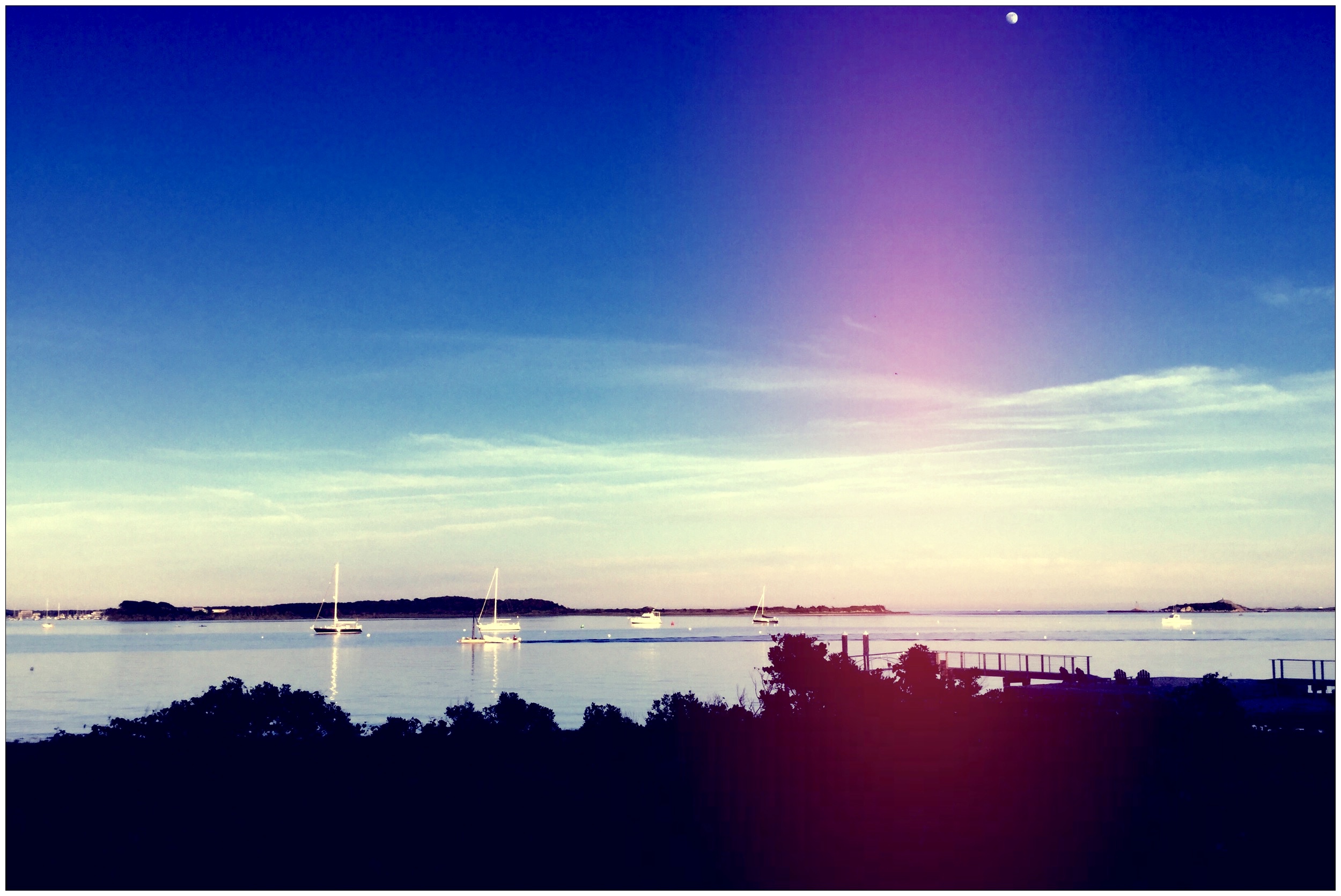
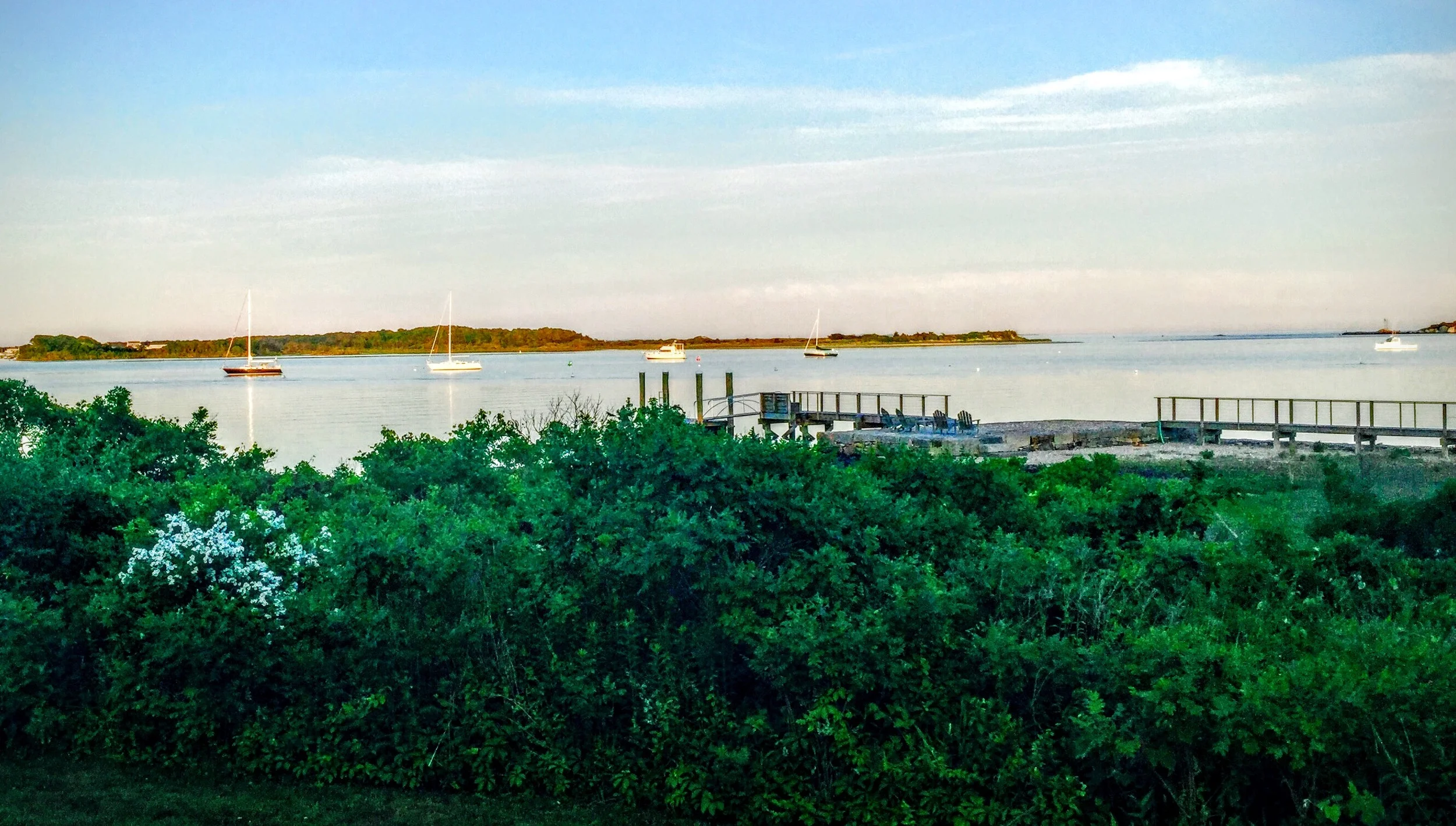
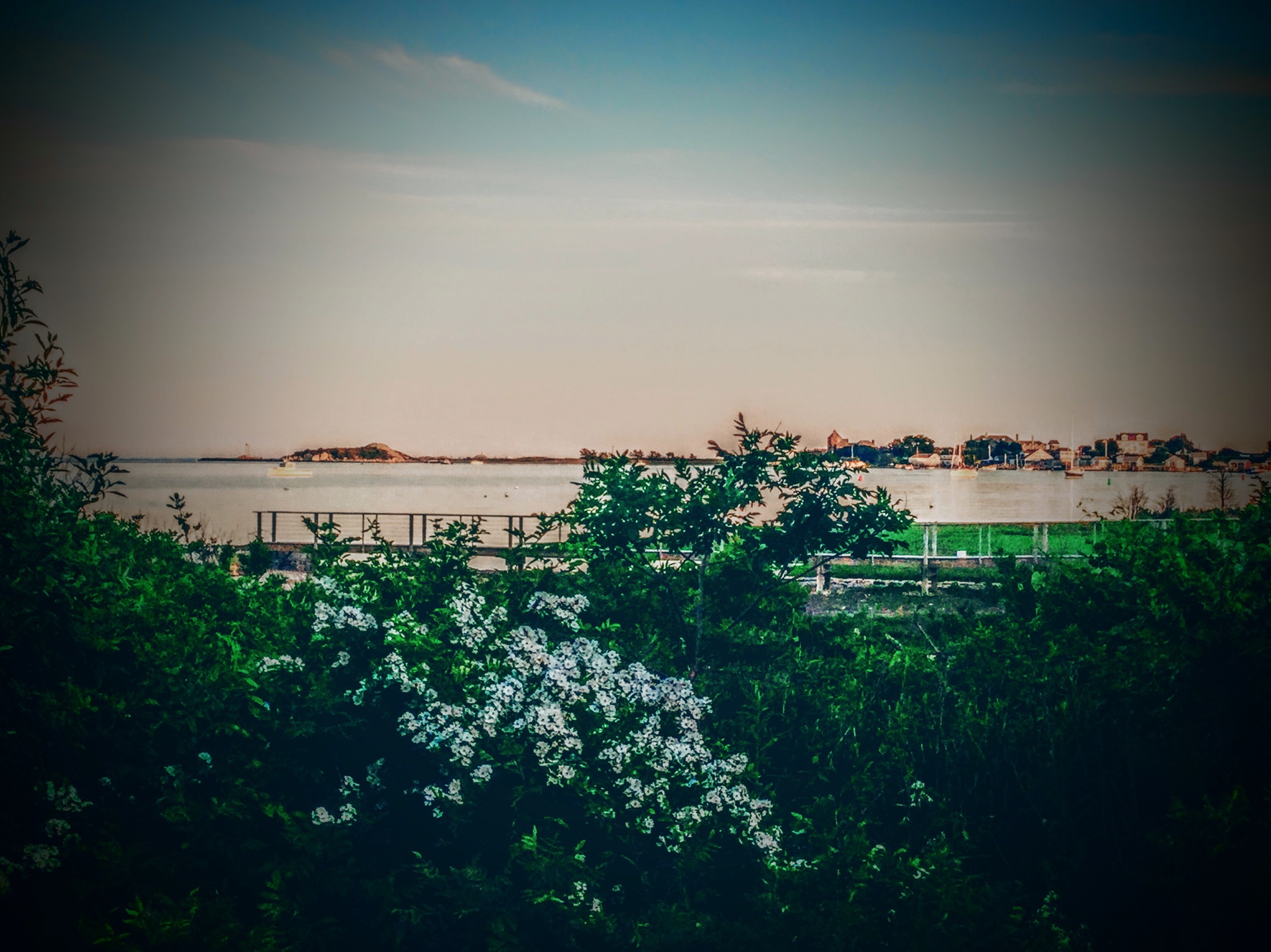
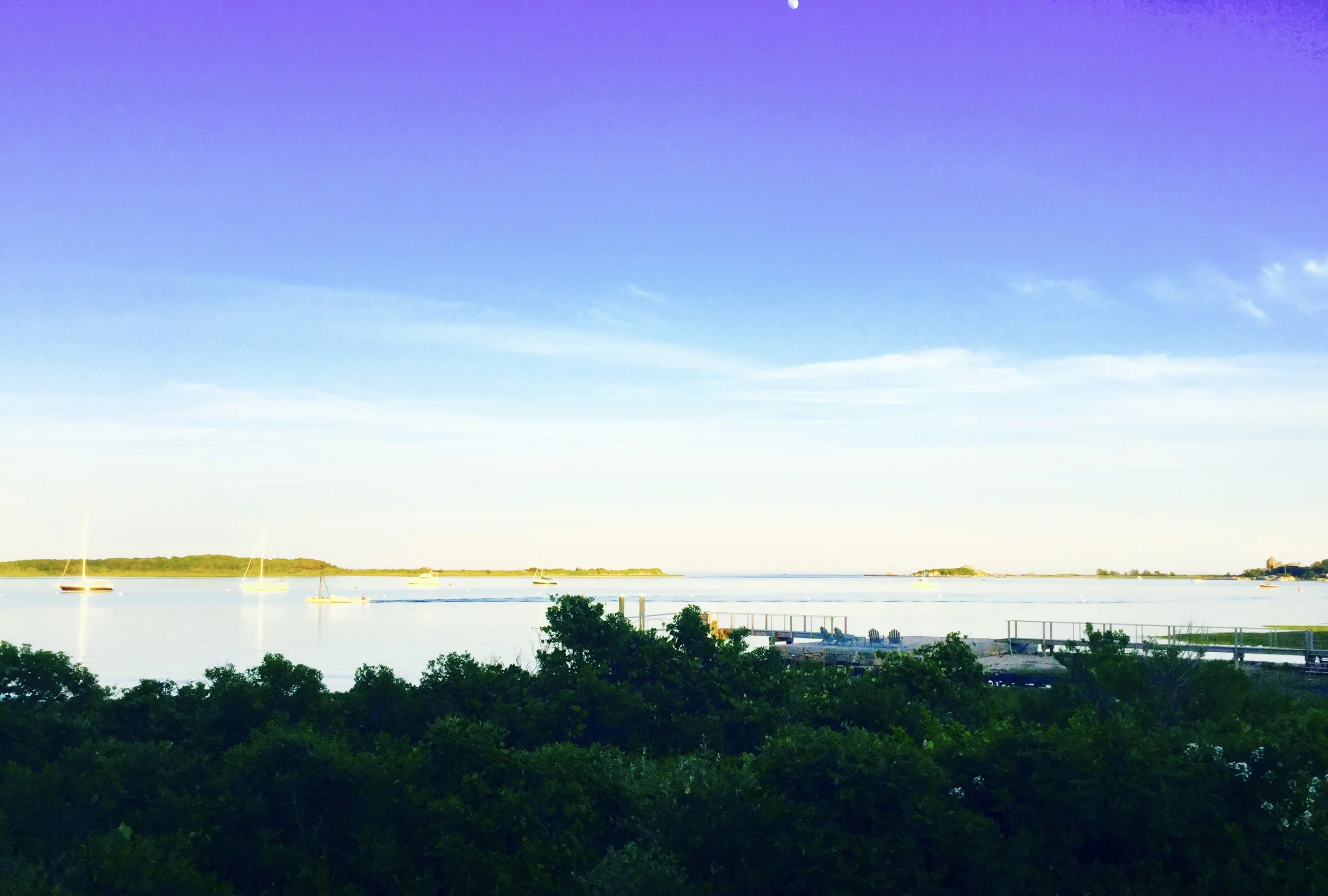
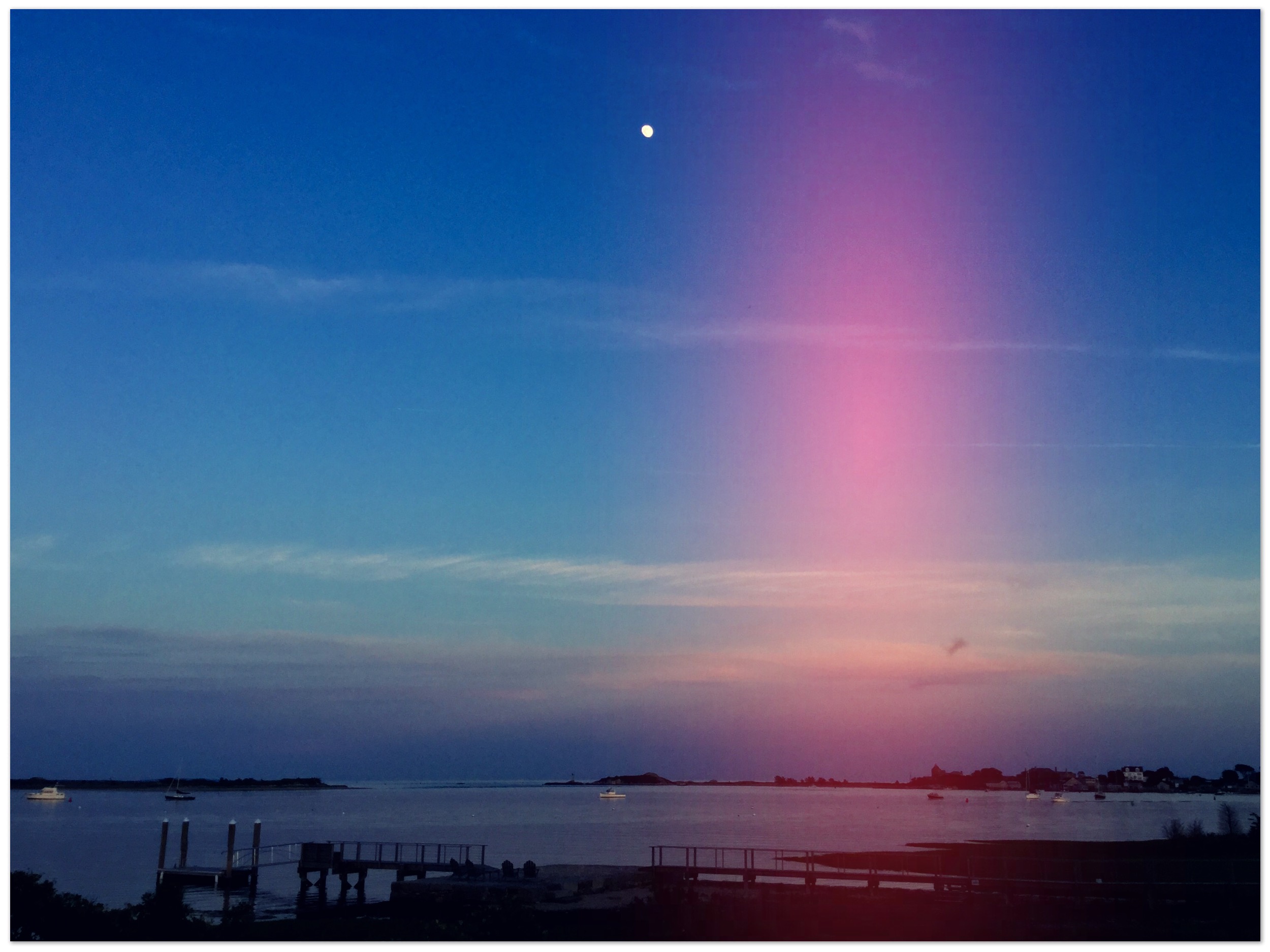
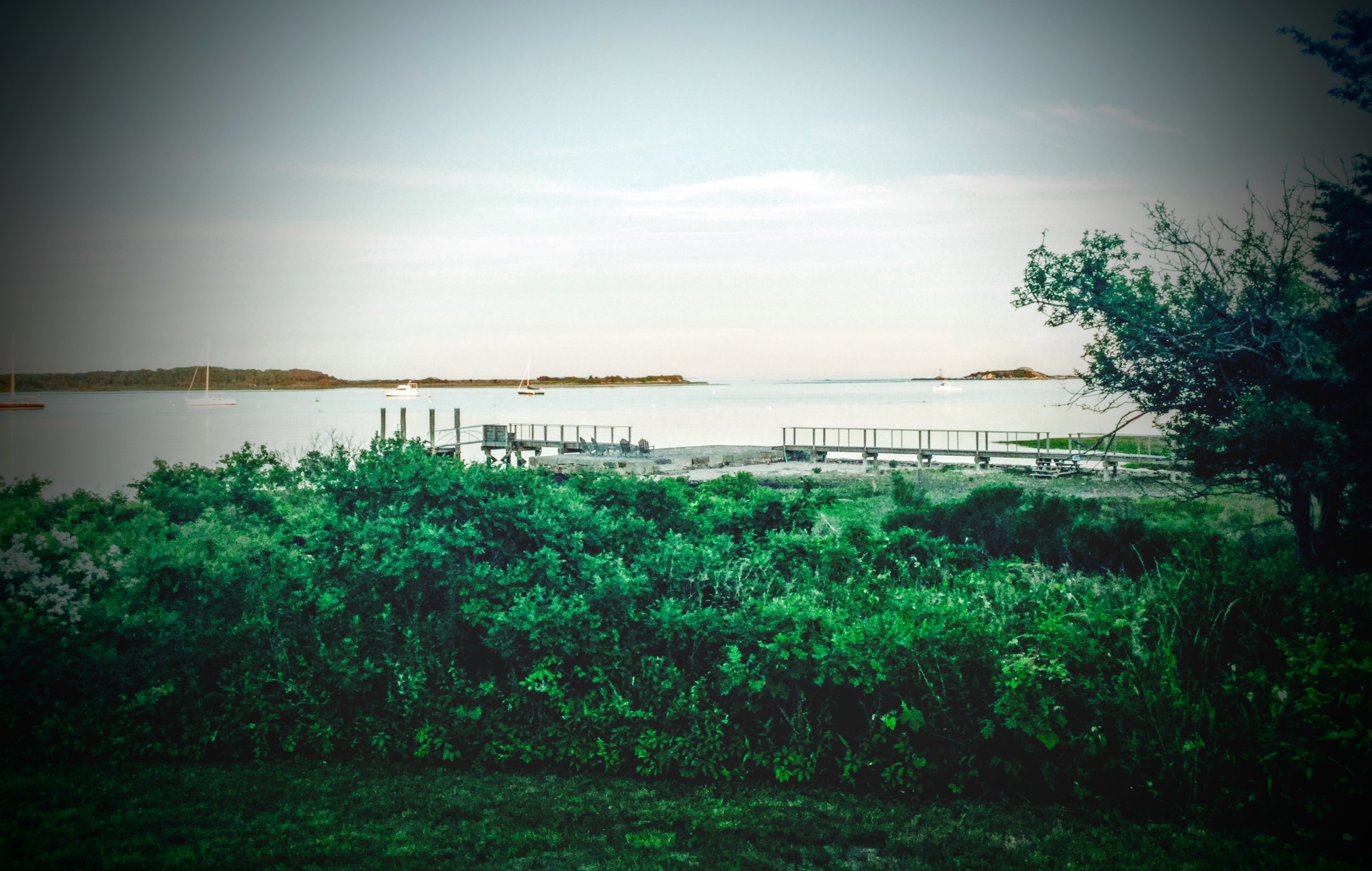
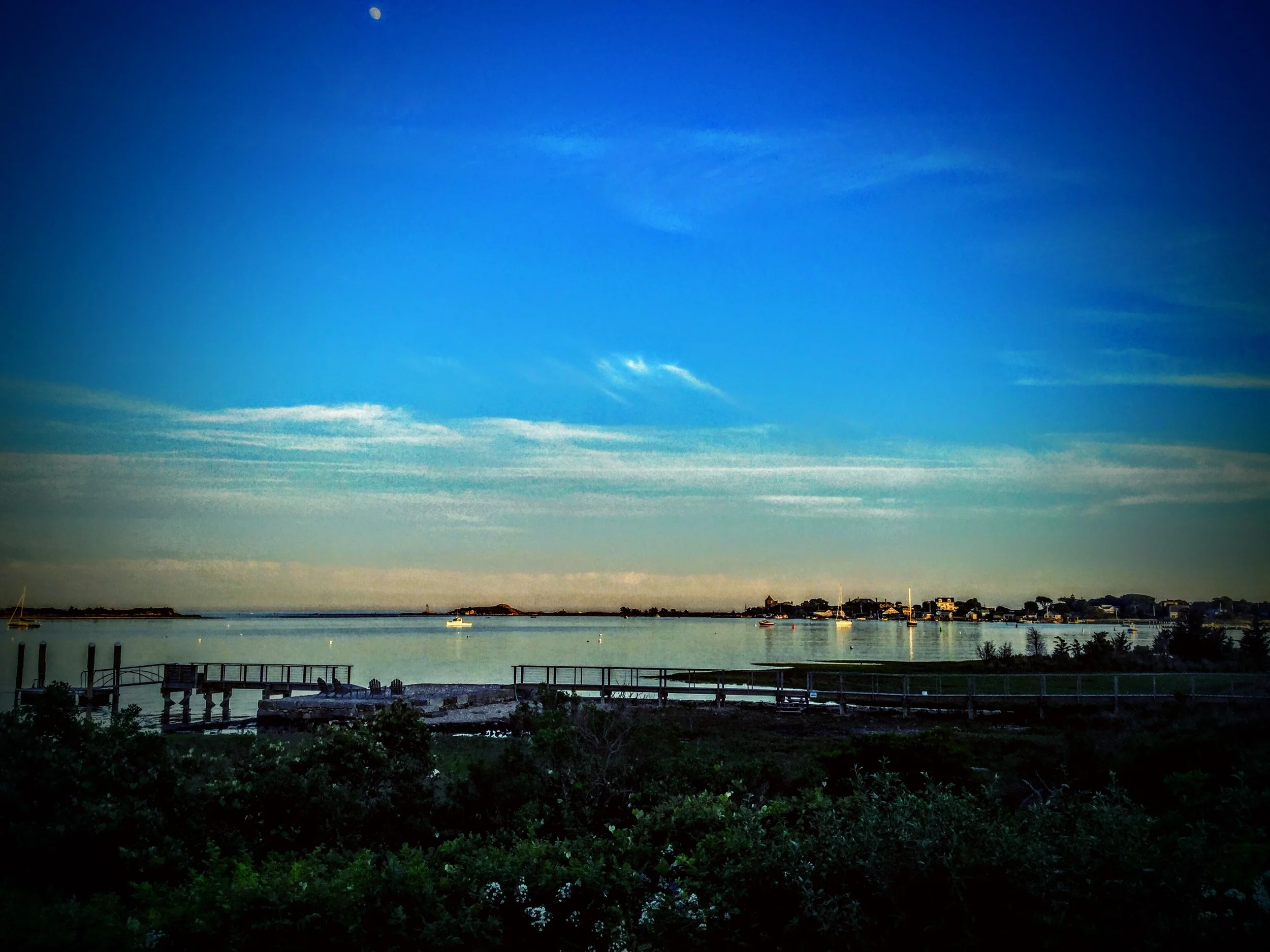
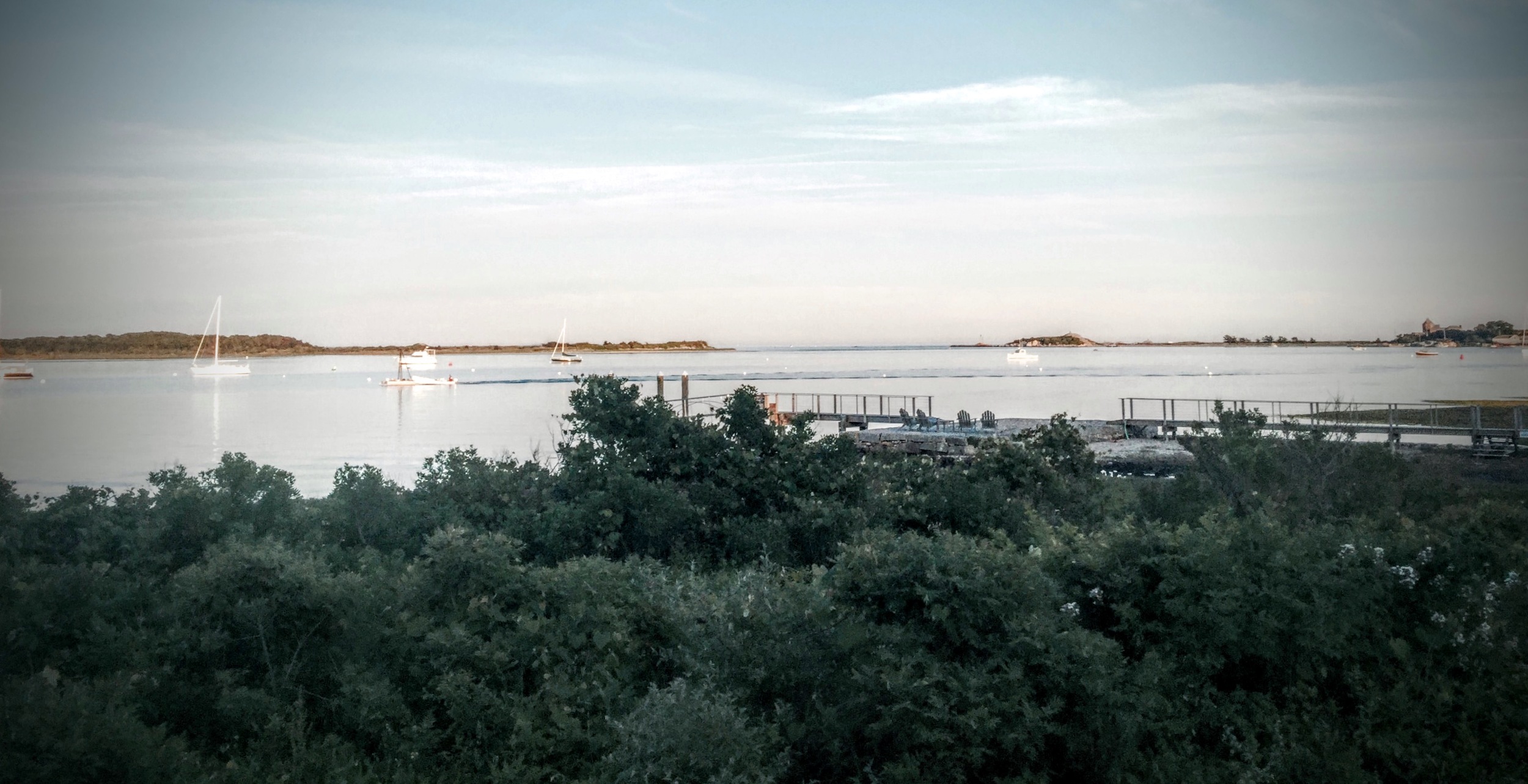
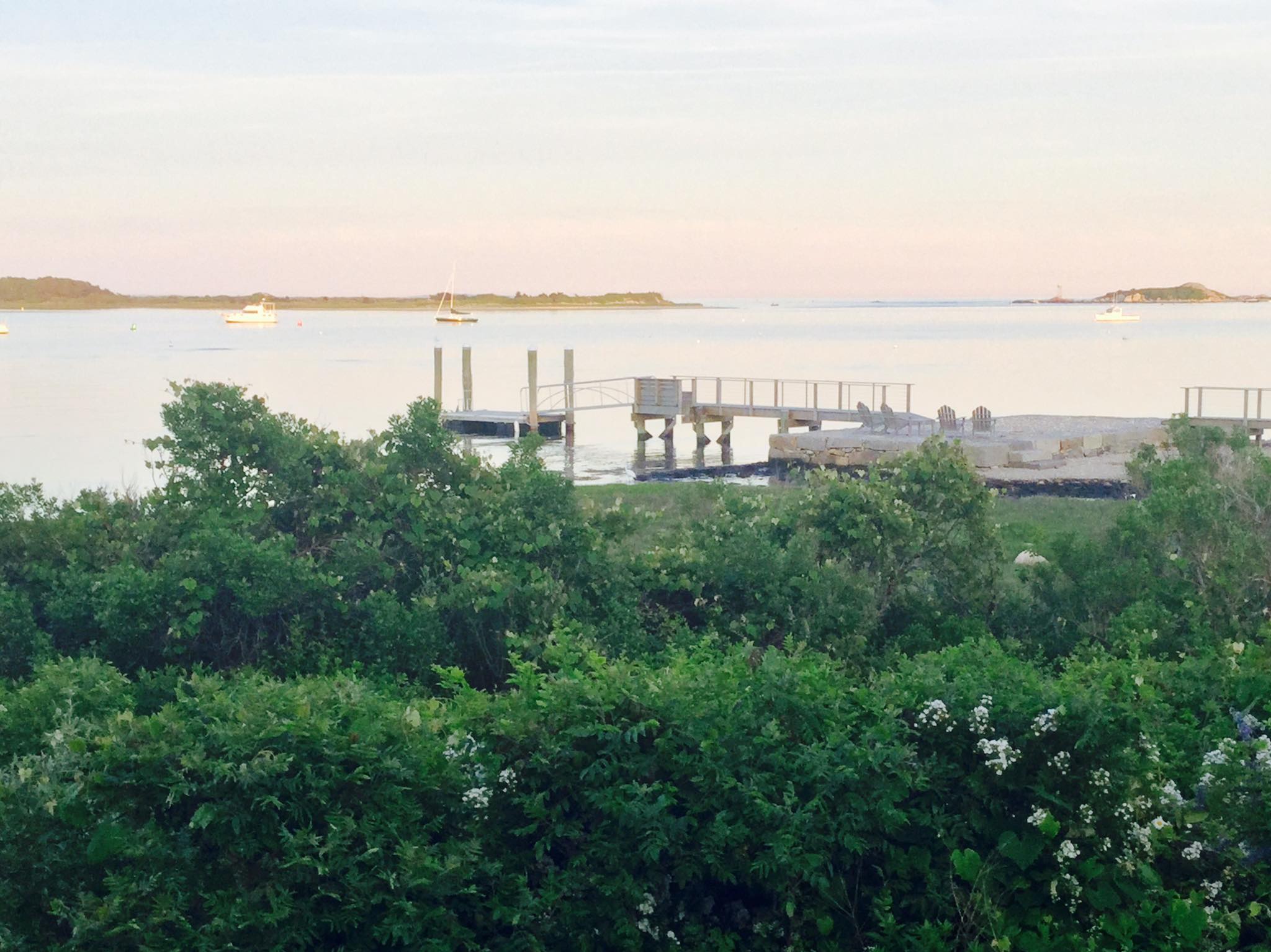
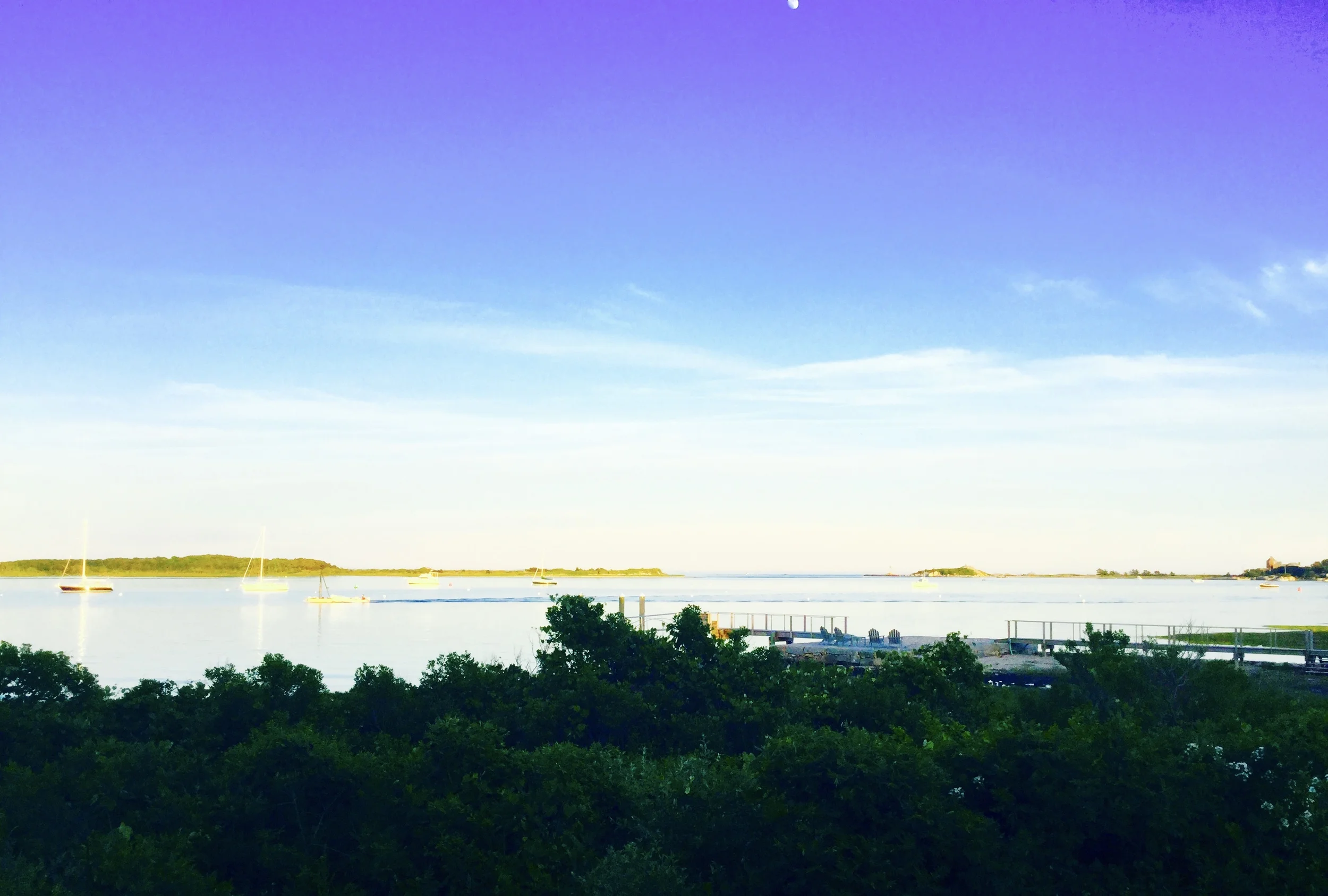
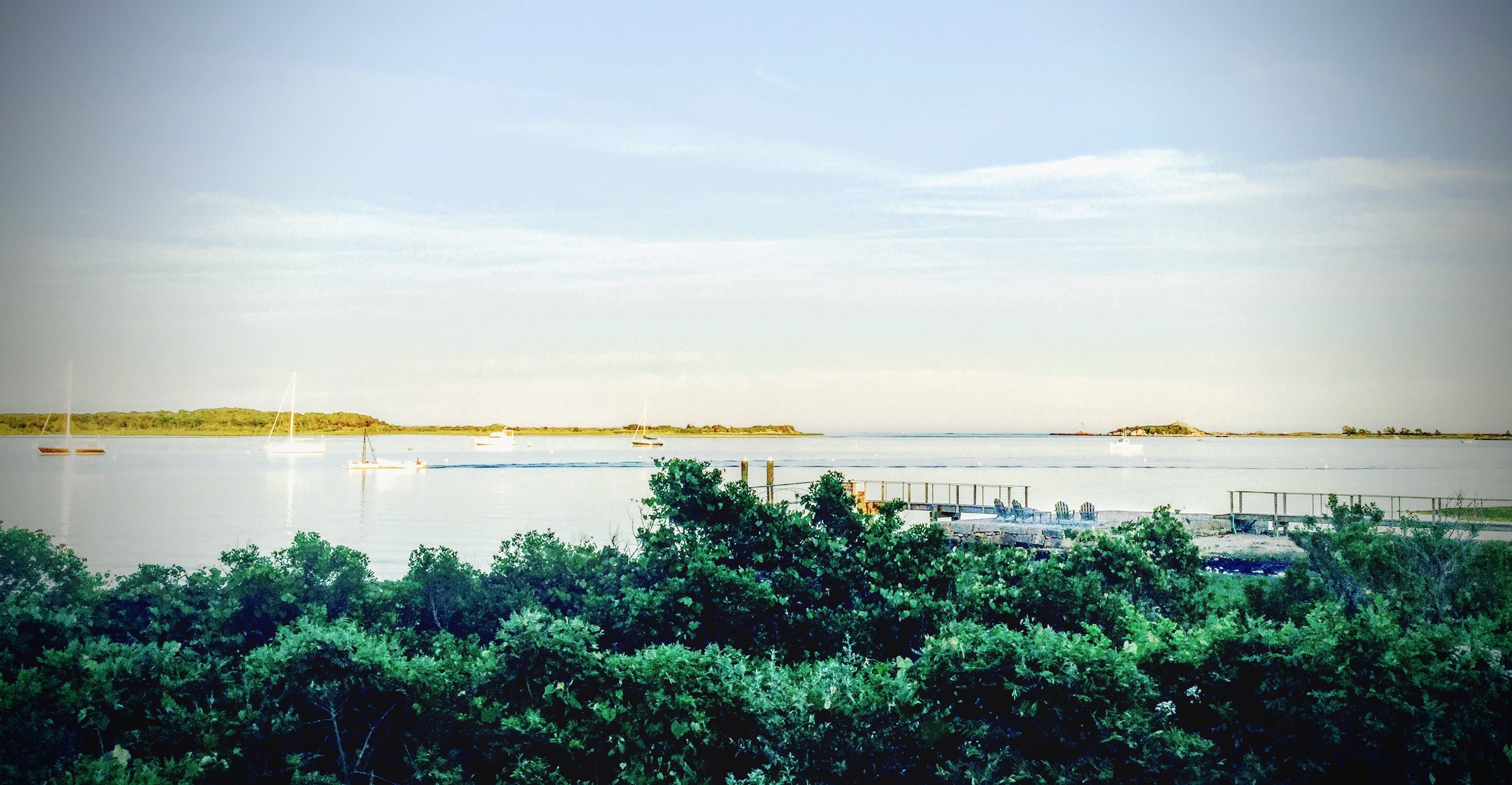
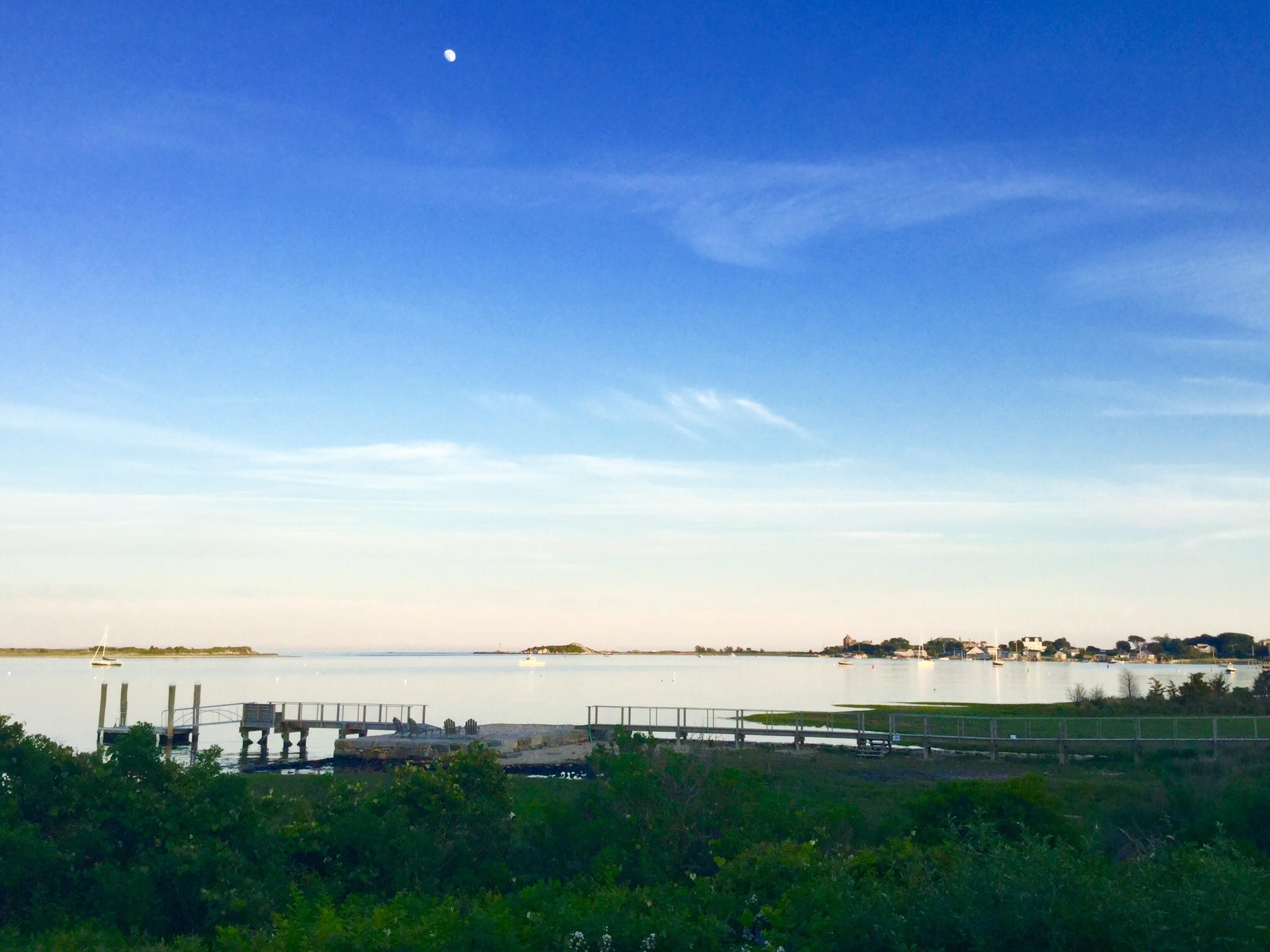
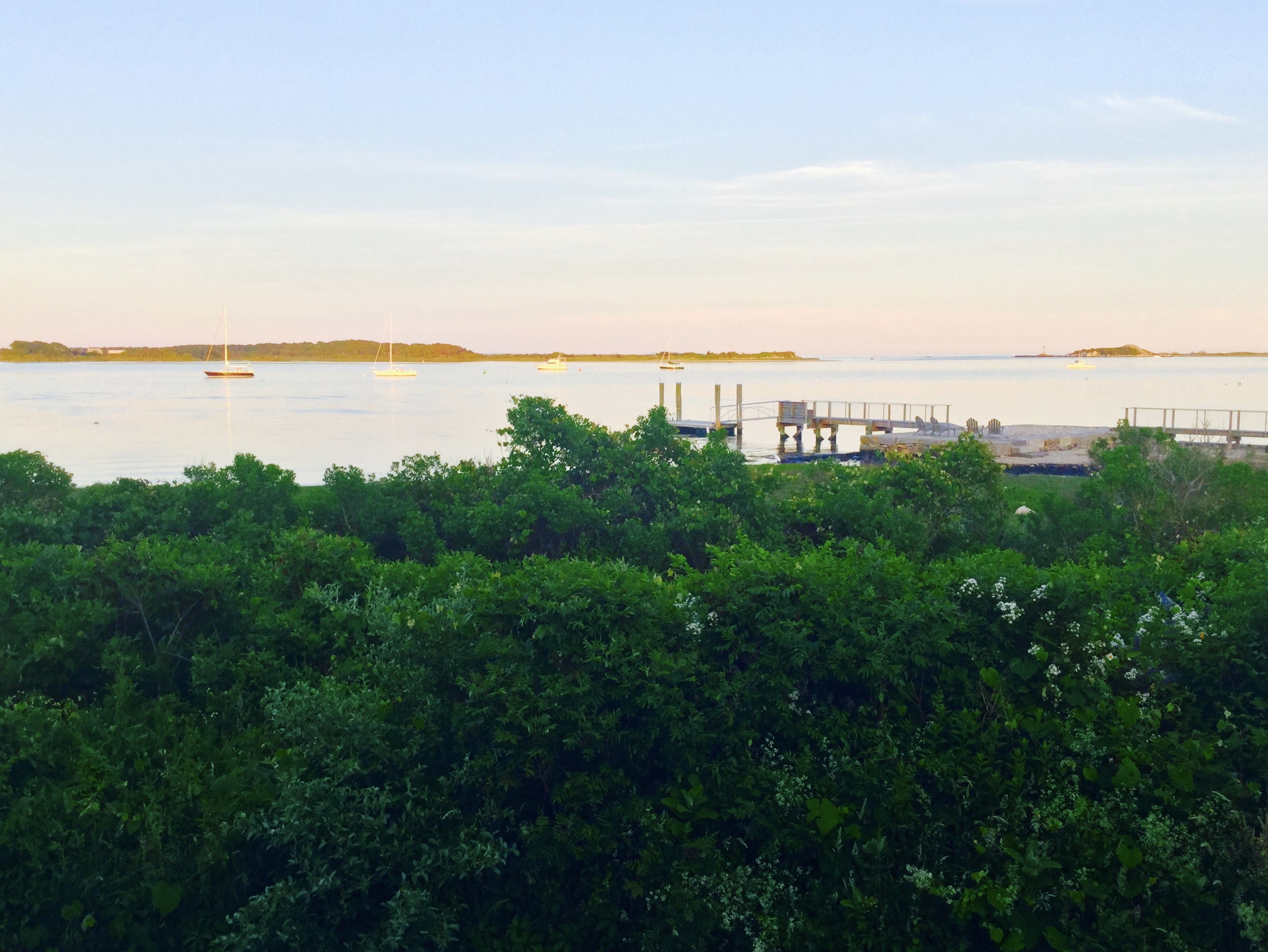
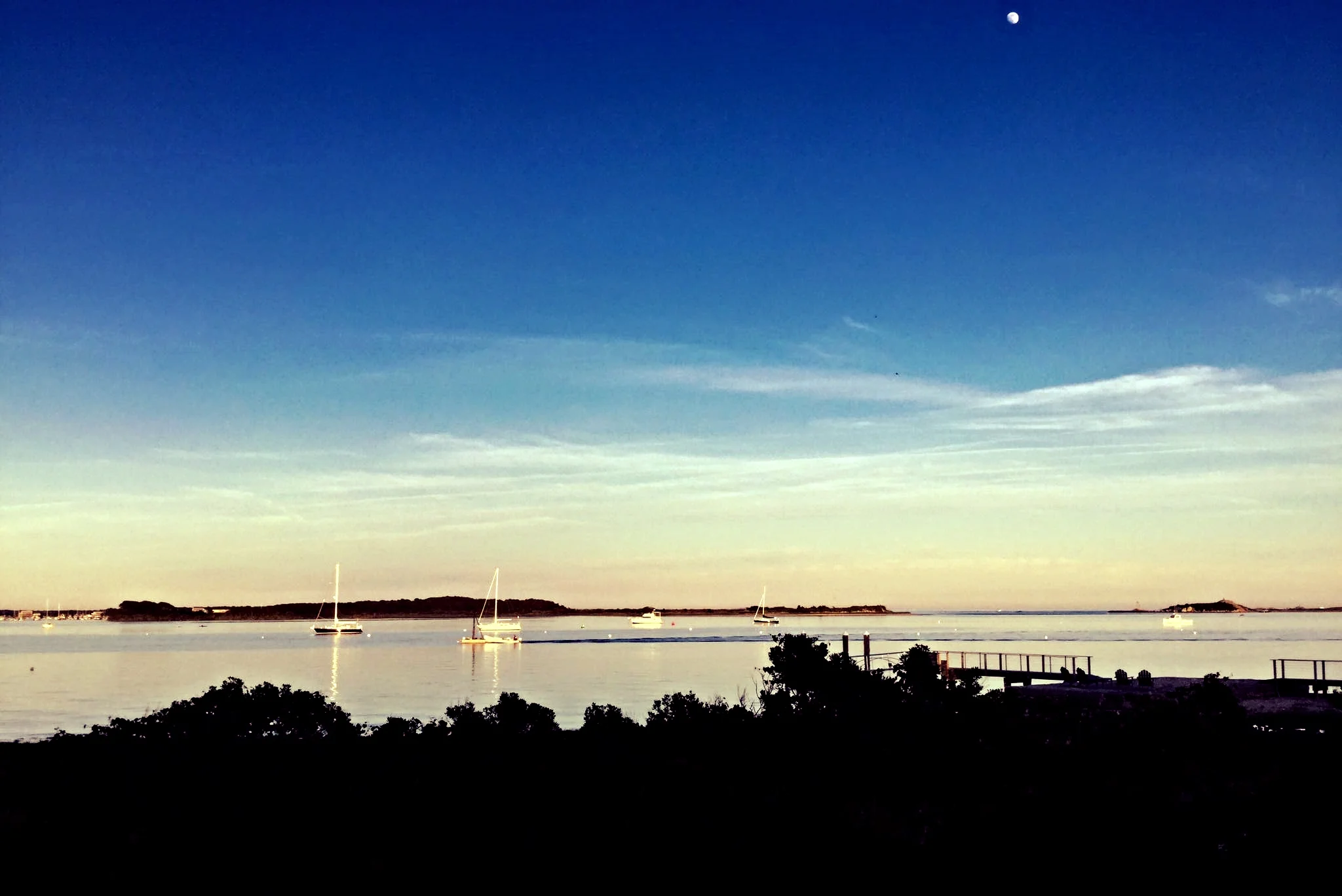
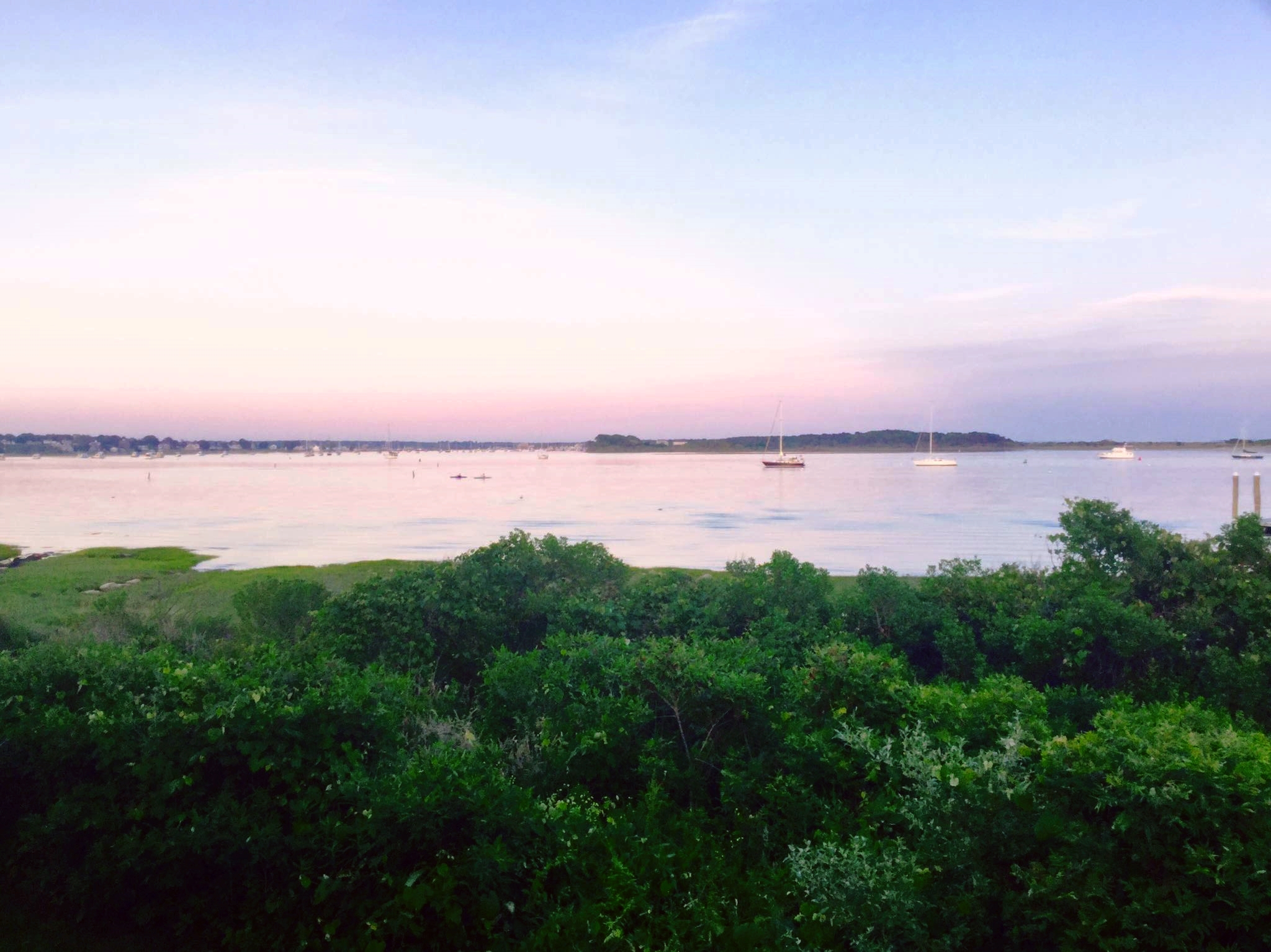
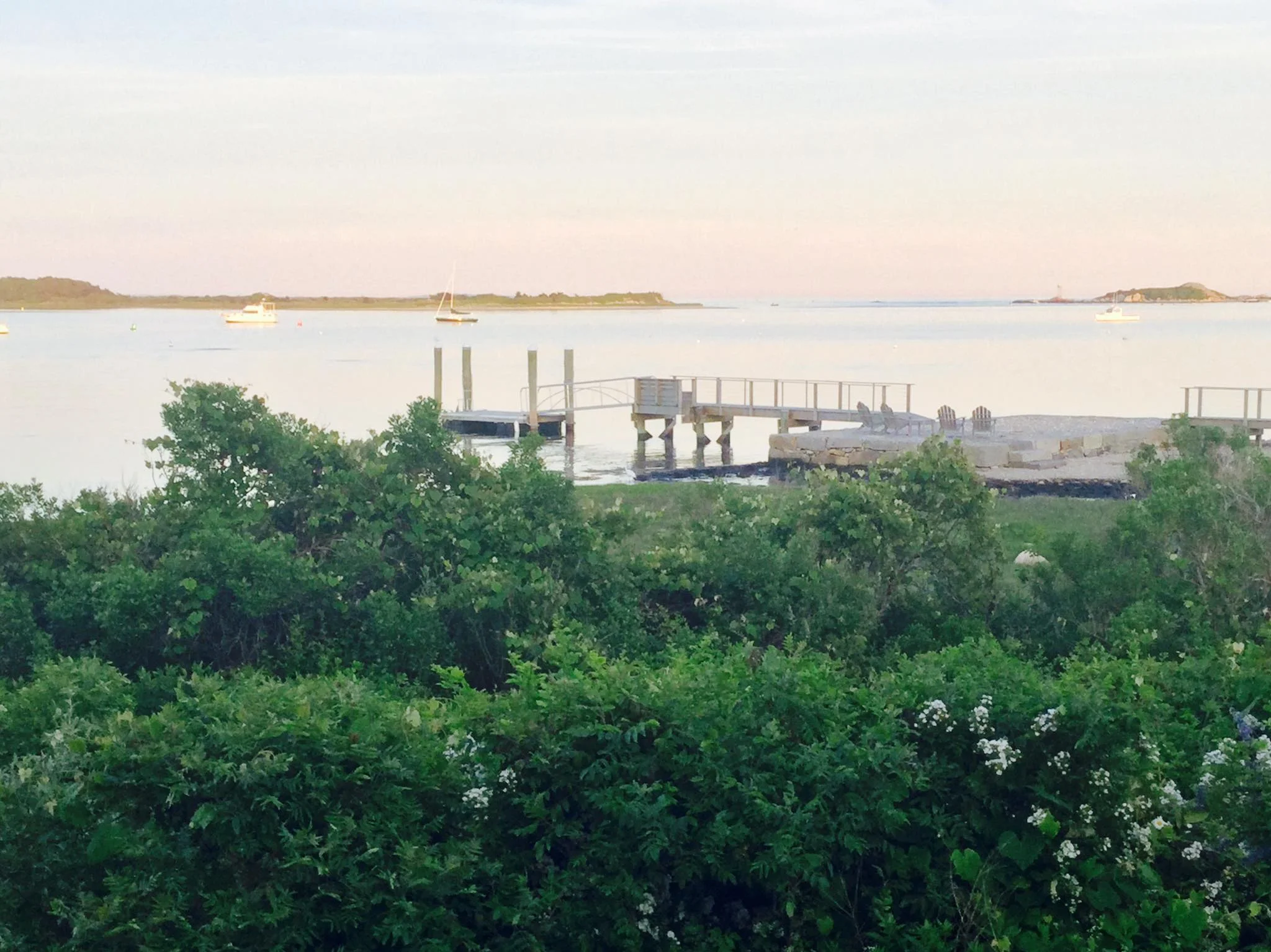
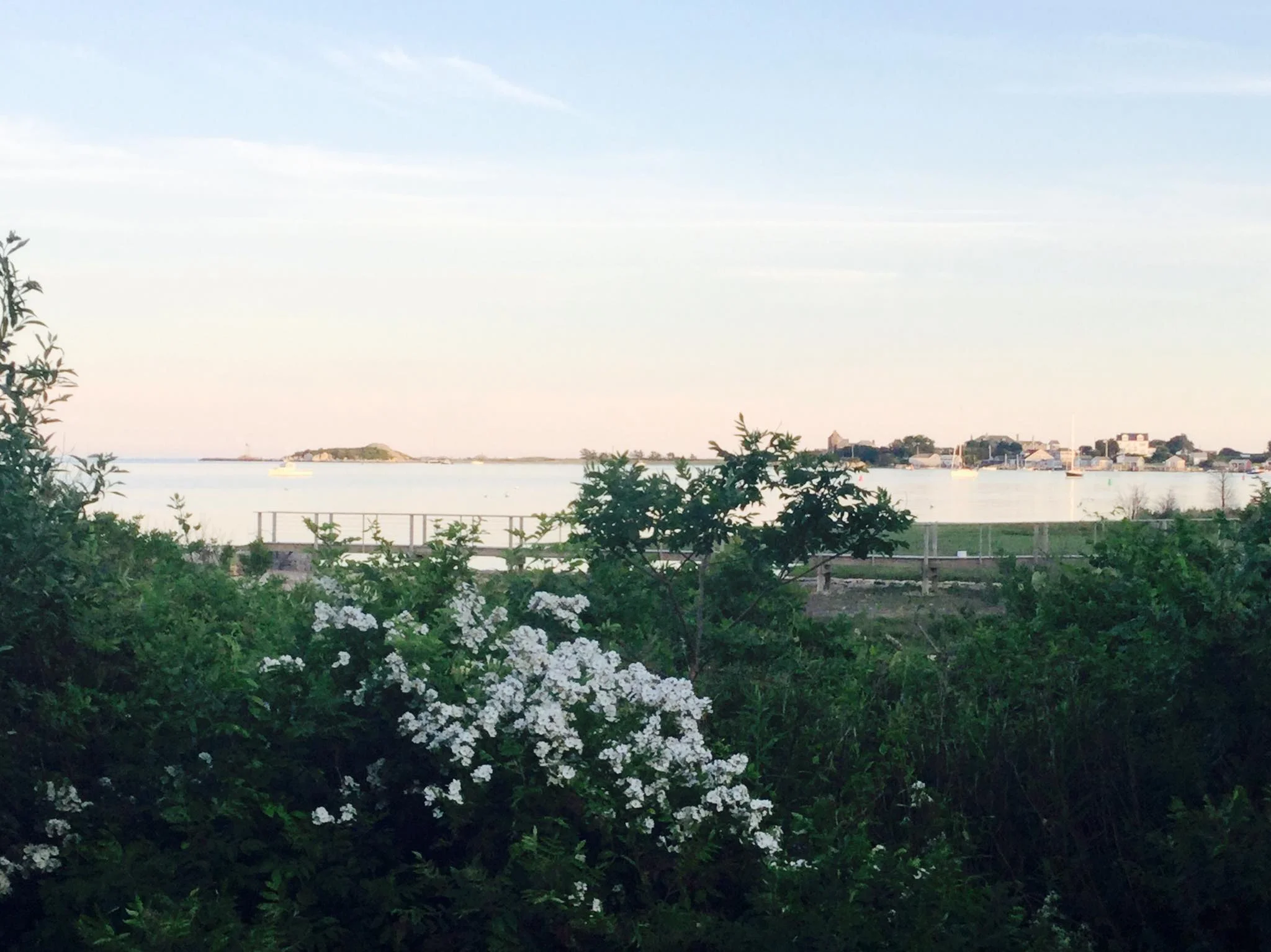
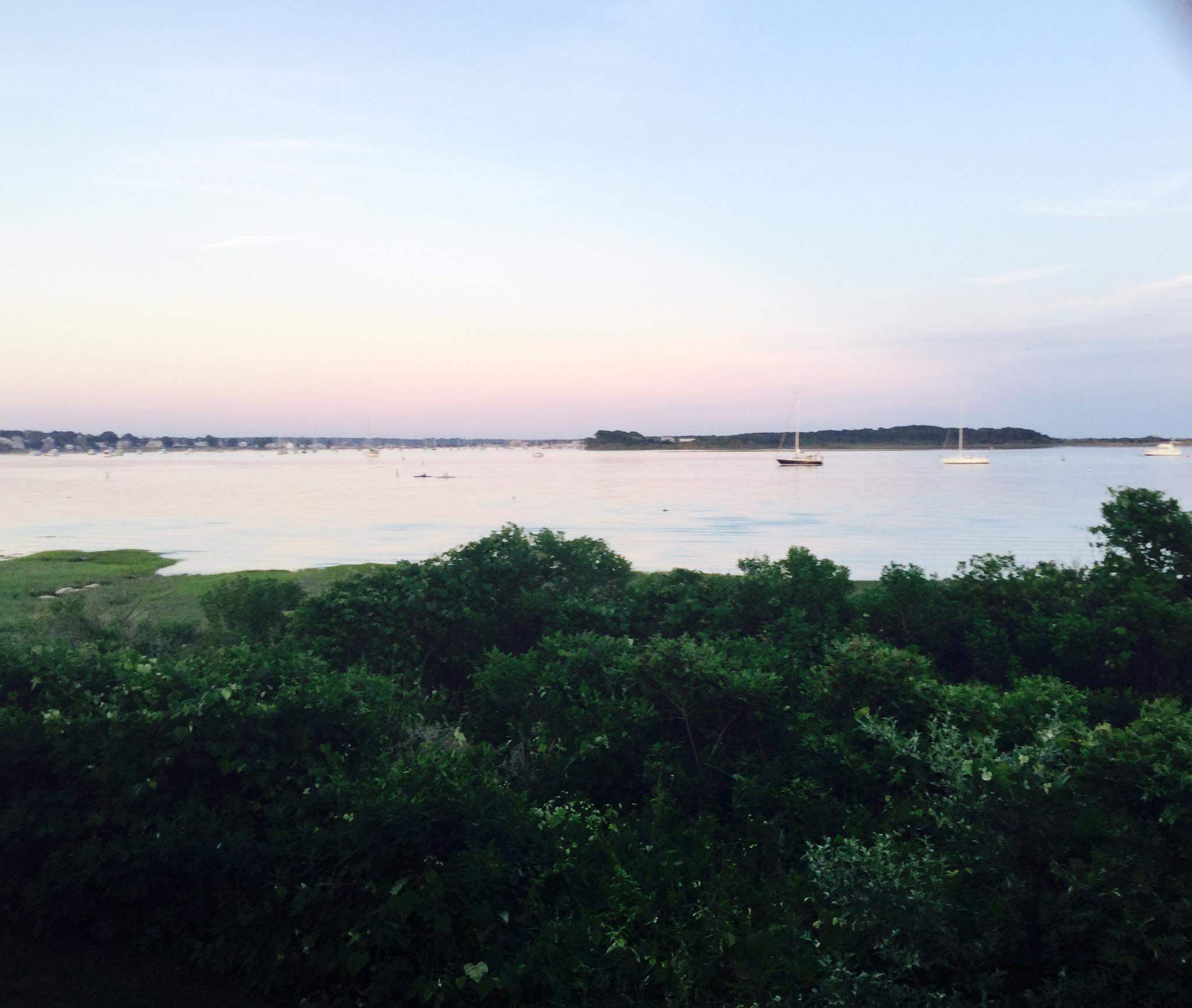
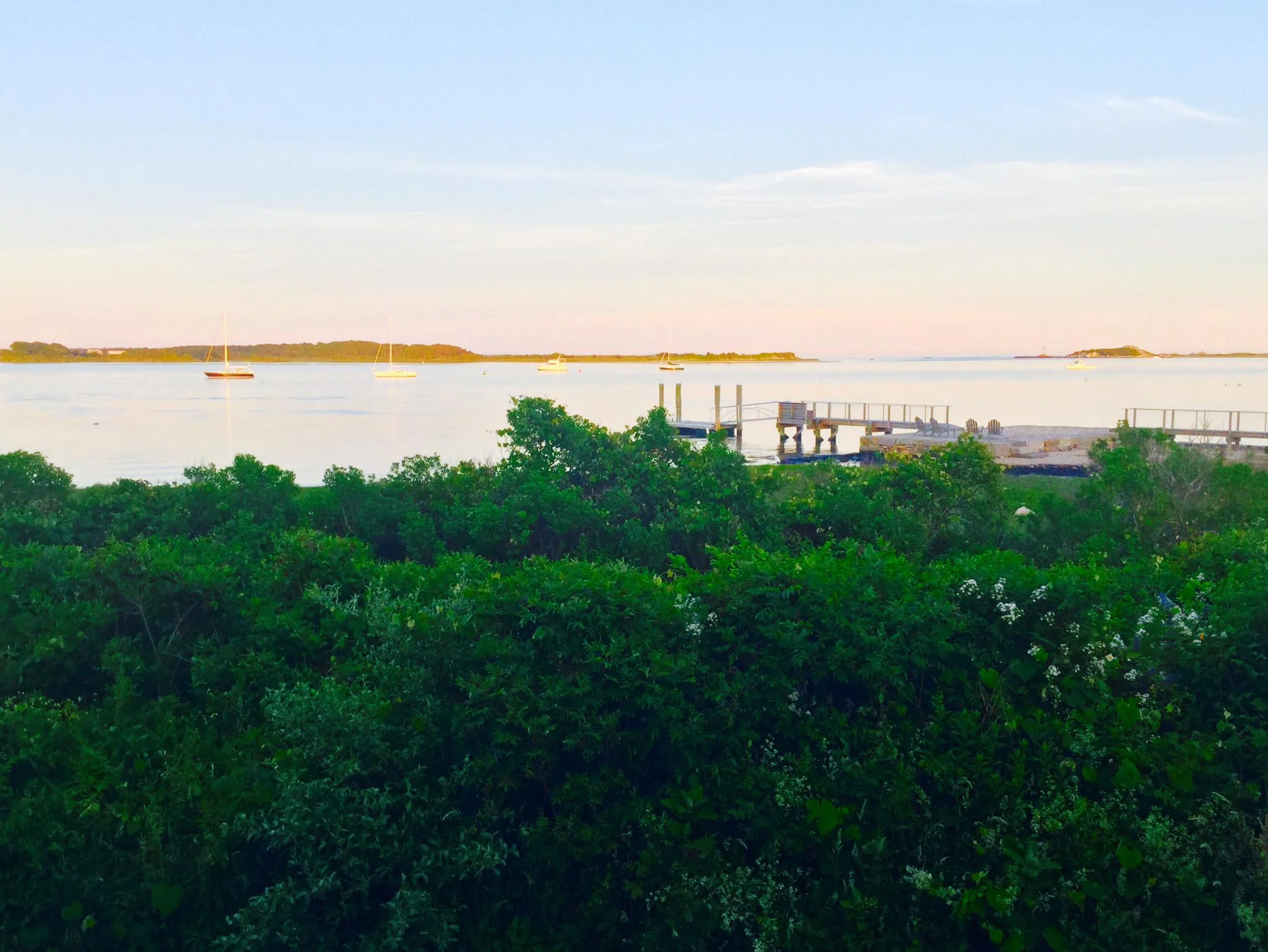
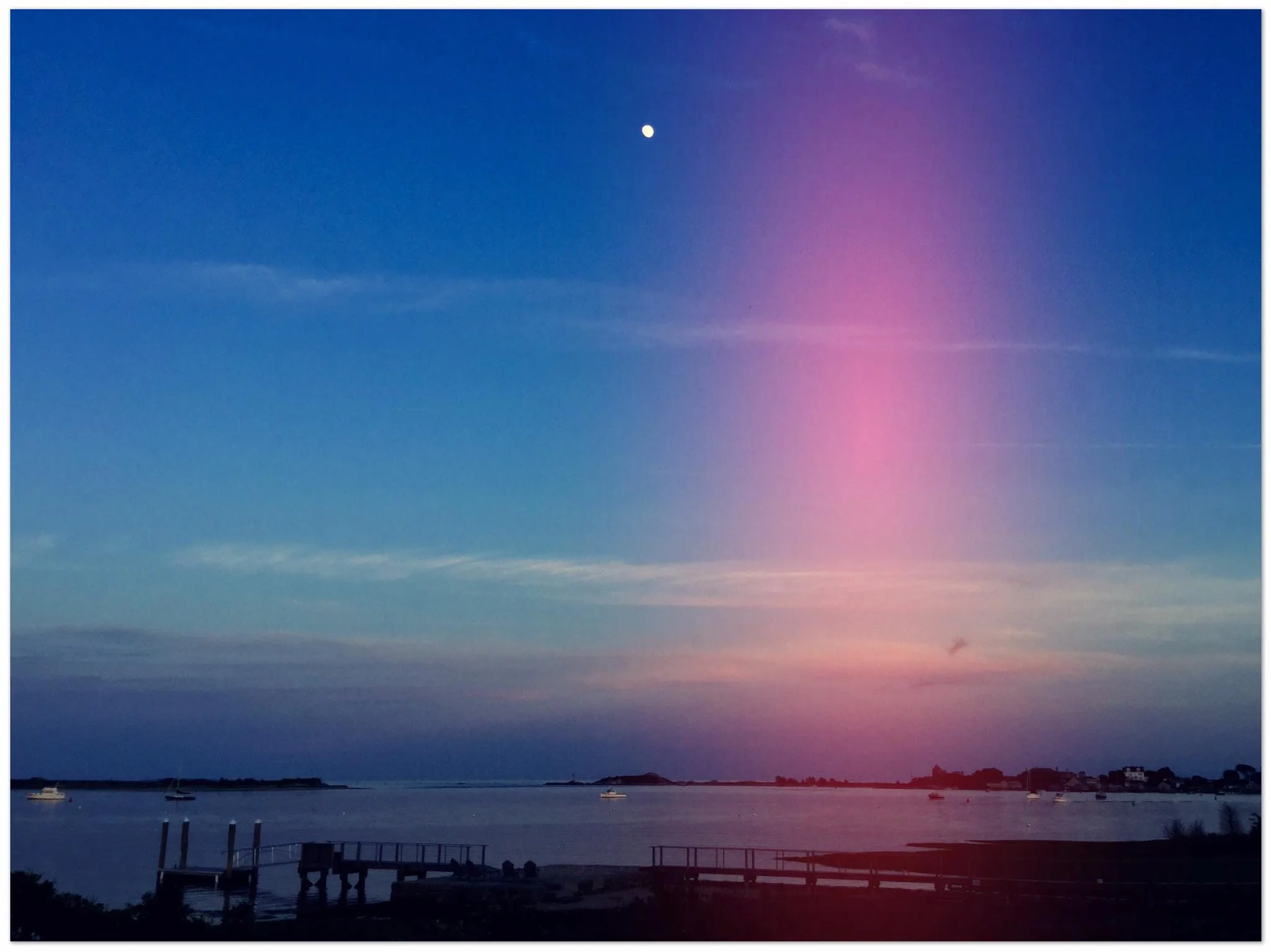
Around a boathouse in Westport, Mass.
Photography by Lydia Davison Whitcomb
"The sea, the great unifier, is man's only hope. Now, as never before, the old phrase has a literal meaning: we are all in the same boat."
-Jacques Yves Cousteau







Janet Redman: Climate change at Trump properties

Via OtherWords.org
Newsflash: Donald Trump isn’t as retrograde on climate change as we thought. It turns out he’s well aware of the dangers of global warming — at least to his golf courses.
The Republican presidential hopeful is so concerned, in fact, that he’s petitioned the Irish government to let him build a seawall to secure his luxury golf course and hotel on the County Clare seaside.
According to an application filed by one of Trump’s companies, to “do nothing” as the ocean continues to eat away at the waterfront greens would pose a “real and immediate risk” to Trump’s beachfront property. And it explicitly cites rising global temperatures as the root of those threats.
As any good neighbor would, the real estate magnate also sounded the alarm to local residents. A brochure circulated by his company to surrounding towns makes the case for coastal protection, pointing out that more frequent storms brought on by global warming will increase the rate at which beaches disappear in the coming decades.
Climate change, Trump seems to be saying, is an existential threat to his Irish golf course. But what does he say about it here in the United States? It’s a Chinese-orchestrated “hoax.” It’s “BS.” It’s “pseudo-science.”
It doesn’t stop there. Trump’s also picked a pro-oil and coal climate denier as a top energy adviser. And he’s promised to trash domestic rules and international agreements that cut carbon pollution.
Apparently the billionaire-turned-politician is happy to appeal for government support to protect his overseas assets. But he’s not on board with public policies meant to keep his fellow Americans and their homes safe.
And the threat to his fellow Americans is very real.
A recent study by the humanitarian group Christian Aid calculated that 34 million people in the United States — that’s 10 percent of us — will be living in towns and cities exposed to coastal flooding by 2030. The Eastern Seaboard is especially at risk.
Miami ranks eighth for world cities whose residents face being washed out. It’s forecast to shoulder the highest financial costs from rising oceans of anywhere on earth, with $3.5 trillion in exposed assets over the next 50 years alone. New York City, Trump’s hometown, comes in a close third at $2.1 trillion in expected losses.
But when the storms come, it won’t be people like Trump who pay the biggest price.
After extreme coastal storms, ordinary families face formidable obstacles to accessing insurance payouts to cover the costs of rebuilding their lives. Billionaires like Donald Trump, on the other hand, can call a private jet to whisk them off to their second (or third) home.
You can bet that if Trump knows climate change is bad for business at his golf course, he knows it’s bad for business, period — small and large, in Ireland or here in the United States. But he’s happy to let the sea swallow our homes, as long as his own property gets a wall.
That double standard should give voters across the political spectrum pause. It’s not about blue or red. It’s about a brash billionaire thinking that his interests are more important than everyone else’s.
Janet Redman directs the Climate Policy Program at the Institute for Policy Studies.
You can't take it with you

“June suns, you cannot store them
To warm the winter's cold,
The lad that hopes for heaven
Shall fill his mouth with mould.”
-- A.E. Housman (“More Poems’’)
The way I see you now.

"Untitled,'', by Pat Steir, in her show "Drawings by Pat Steir,'' at the Helen Day Art Center, Stowe, Vt., through Nov. 13.
Earth, fire and water adventure

From "Beyond the Far Blue Mountains,'' a 50-minute, three-screen video by Molly Davies, at the Helen Day Art Center, in Stowe, Vt., through July 31. It's about a young German girl's adventure that includes tests involving earth, fire and water.
Charles Chieppo: Undergoing treatment for sick sick-leave policies
BOSTON
The aftershocks are still being felt in Massachusetts from the case of a state university president who received a payout for unused sick and vacation time of nearly $270,000 upon his retirement last year -- in addition to an annual pension of more than $183,000 and a $100,000 consulting gig. Proposed fixes are taking shape that, though imperfect, are steps in the right direction.
The problem is very real for many state and local governments. In Massachusetts alone, as of last year taxpayers faced about $500 million in liability for unused sick and vacation time.
The outcry over former Bridgewater State University President Dana Mohler-Faria's golden payout has already had an impact. Mohler-Faria refunded the state for 15 weeks of improperly accrued vacation time and agreed to terminate his lucrative consulting contract.
For the longer term. Gov. Charlie Baker, a Republican, has proposed legislation that would limit executive-branch employees' accrued sick time for to 1,000 hours, or about six months of work. The about 5,800 executive-branch workers who already have accrued more than that would be grandfathered, though their sick time would be capped at the hours accrued at the time of the legislation's passage.
Another bill, this one filed by Democratic state Rep. Colleen Garry, is tougher, limiting payouts to 15 percent of an employee's annual salary. Regardless of what you might think of her proposal, Garry made a point that public officials everywhere should heed, saying that government should "pay public employees fairly during their working years and not push compensation into retirement packages."
Mohler-Faria was one of 10 state and community-college officials who received six-figure vacation and sick-time payments between 2011 and 2015. Just this week, the Board of Higher Education eliminated the practice of rolling unused vacation time into a sick-leave bank and will gradually reduce the maximum vacation allowance to 50 days, still over 50 percent more than the limit for most state employees.
The University of Massachusetts, which is not governed by the Board of Higher Education, had previously limited accrued time off to 960 hours for non-union employees, but it remains unlimited for union workers -- yet another reminder of why post-retirement benefits should never be subject to collective bargaining.
The Board of Higher Education's new policies eliminate the worst abuses, but challenges remain when it comes to reforming policies around accrual of unused sick and vacation time. For one thing, whatever emerges from Massachusetts' legislative process is likely to cover only-executive branch employees.
Perhaps state and local government officials everywhere should be guided by Gov. Baker's simple point: "Sick leave is a benefit designed to deal with health and family issues, not a retirement bonus. Bringing … sick-leave accrual policy in line with other private- and public-sector employers just makes sense and is the fiscally responsible thing to do." What a concept.
Charles Chieppo (Charlie_Chieppo@hks.harvard.edu) is a research fellow at the Ash Center at Harvard’s Kennedy School. This piece first ran at governing.com.
And gone tomorrow
How did it get so late so soon?
Its night before its afternoon.
December is here before its June.
My goodness how the time has flewn.
How did it get so late so soon?
-- Dr. Seuss (Theodor Geisel)
Art in three places honors the National Park Service on its centennial

"Cretaceous Egg,'' by Anne Alexander, in the New England Sculptors Association's show "Centennial Visions: 50 Artists in Three Parks,'' marking the National Park Service Association's centennial. The show will run at the Saint Gaudens National Historic Site, in Cornish, N.H., the Marsh-Billings-Rockefeller site, in Woodstock, Vt., and the Springfield Armory, in Springfield, Mass., through Aug. 22.
Chris Powell: Block immigrants from repugnant, anti-Western cultures
According to police and news reports about Omar Mateen, the perpetrator of the atrocity in Orlando:
· He was a Muslim and the son of refugees from Afghanistan who was born in New York.
· His father imagines himself president or a military leader of Afghanistan and hosts a television program on which he has supported the Taliban and called for killing homosexuals.
· He was said to have made remarks sympathetic to terrorism that brought him to the attention of the FBI, which found nothing actionable.
· In accordance with the teaching of the crazy cult that is trying to hijack Islam he frequently beat his first wife, who came to consider him psychotic and left him.
· Also in accordance with the teaching of the crazy cult, he was enraged by homosexuality, and, completing his psychosis, had homosexual tendencies himself, having often visited the gay bar where he eventually perpetrated his murderous rampage.
In this context Mateen's mid-rampage call to police to proclaim his loyalty to the Middle Eastern terrorist group ISIS seems more like a vainglorious afterthought than part of a conspiracy.
Predictably enough, Democrats are using the atrocity to argue for their gun-control agenda, including prohibition of "assault weapons," apparently any rifle with a magazine, any rifle capable of firing more than one or two shots at a time without reloading -- a dubious proposition. As for the Democrats' more compelling propositions -- more background checks for gun buyers and such -- they probably would not have disqualified Mateen from purchasing the guns he used. For he was already licensed as a security guard, held a Florida gun permit, and repeatedly had cleared background checks undertaken by his employer, a federal government contractor.
Also predictably enough, Republicans are using the atrocity to argue for restrictions on immigration and foreign visitors, and at last Donald Trump has figured out that while immigration and visitation cannot be restricted by religion -- not constitutionally and not practically, since no one at a border crossing would admit his adherence to a prohibited religion -- immigration and visitation can be restricted by national origin.
After the atrocity Trump and his recent rival for the Republican presidential nomination, Texas Sen. Ted Cruz, asserted that the United States should not be welcoming people from countries that sponsor or are infected by terrorism or that oppress women, homosexuals, and disfavored religions. Such an exclusion would cover most of Africa and all the Middle East except Israel, the only democratic country there and the refuge of many homosexual Palestinians but nevertheless the bogeyman of the political left.
As Mateen demonstrates, and as has been demonstrated by other recent acts of terrorism, such as the Boston Marathon bombing and the Fort Hood massacre, a background in an oppressive culture can span the generations and explode unexpectedly.
Thus the atrocity in Orlando can be attributed as much to this country's negligent immigration policy as to its negligent gun policy. For our negligent immigration policy celebrates "multiculturalism" even as the culture being imported is repugnant. Europe, which is being overwhelmed by migrants who have contempt for Western values, lacks the will to defend itself and has become Eurabia, thereby showing where negligent immigration policy will take the United States.
Defending the country requires getting a lot more selective with immigration, admitting only those people who can show a firm commitment to democratic and secular culture, not mere desire to get away from someplace else. The country needs no more Afghan refugees, nor more of the Syrian refugees Connecticut's governor lately has been celebrating, nor any more immigrants from the vast expanse of primitive barbarism that constitutes Religious Crazy Land.
Chris Powell is managing editor of the Journal Inquirer, in Manchester, Conn.
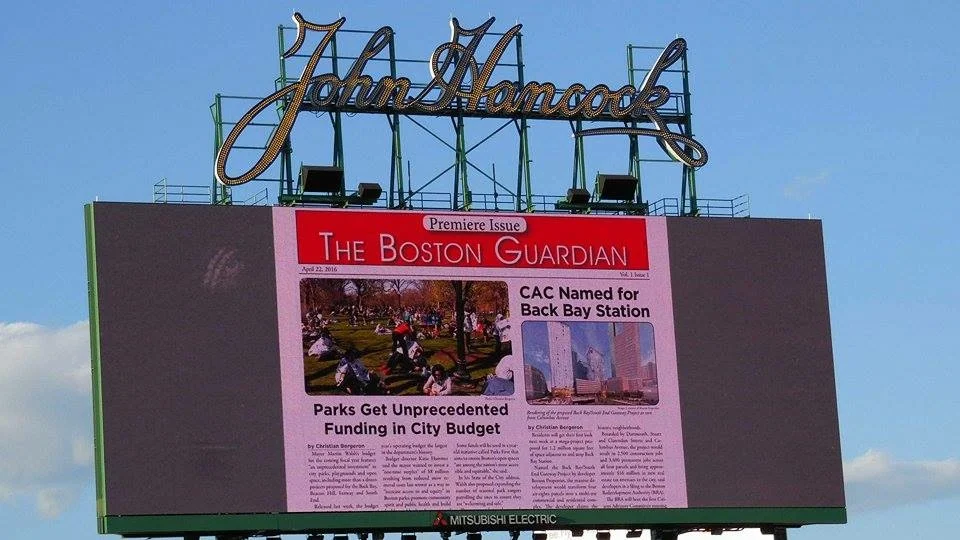
Newspaper bats 1000 at Fenway
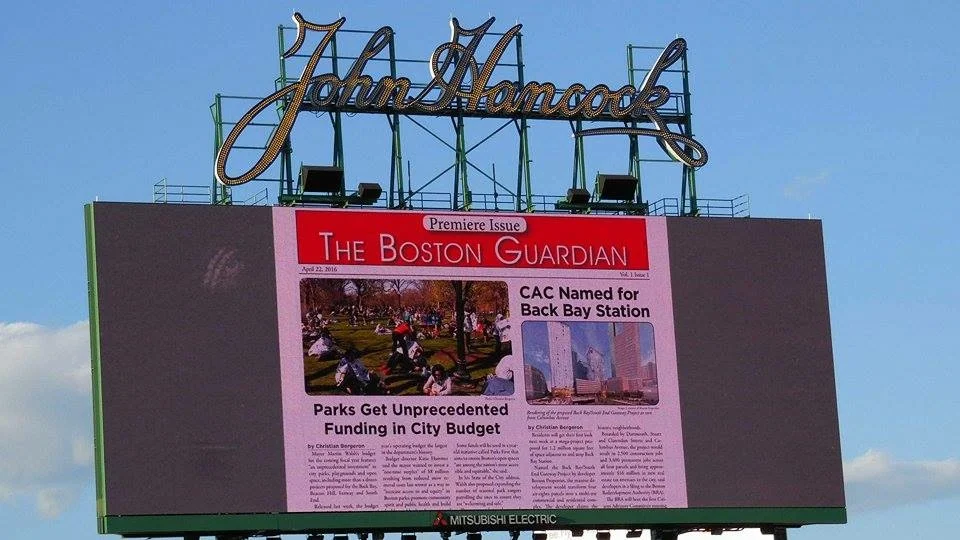
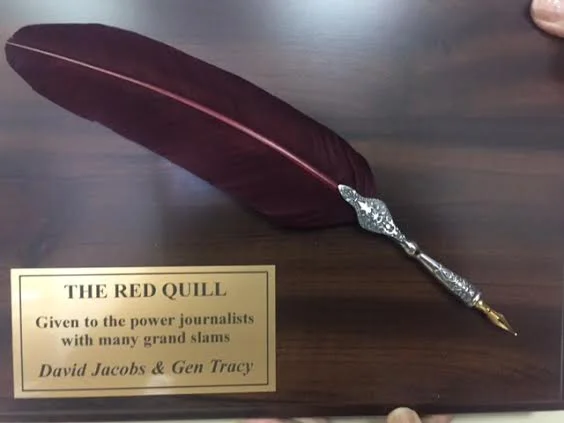
The Boston Red Sox honored David Jacobs and Gen Tracy, my friends and colleagues at The Boston Guardian, and their very able staff, on June 15 in a pregame ceremony at Fenway Park. As everyone knows, The Guardian is a mighty force for civic virtue, high (sometimes) civilization, relentless reporting and droll humor. All hail great newspapers, especially the ones still on paper. Mr. Jacobs is the publisher/editor and Ms. Tracy is the associate editor. The plaque that the Sox gave them is below.
In other good news, the Sox beat the Orioles that night 6-4.
-- Robert Whitcomb